Category:
Other Cleaning System

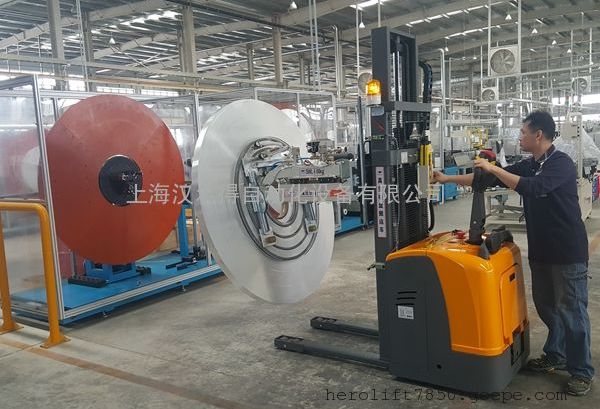

**Universal Product Introduction for Aluminum Roll Handling Vacuum Chuck, Aluminum Foil Roll Handling Truck, and Roll Film Material Chuck**
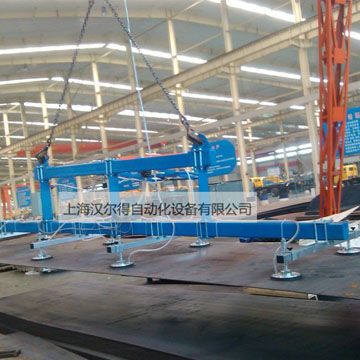
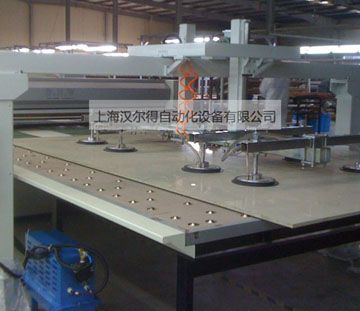
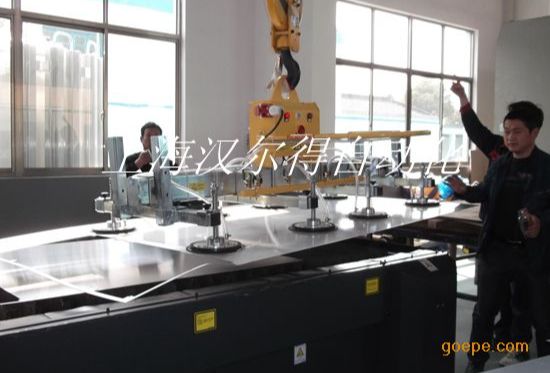
These specialized material handling tools are designed for the safe and efficient transportation of large, heavy rolls, such as aluminum coils, foil rolls, or film materials, in industrial and manufacturing settings. The **vacuum chuck** utilizes suction technology to securely grip smooth, non-porous surfaces, enabling precise lifting and positioning without mechanical clamps that could damage delicate materials. The **aluminum foil roll handling truck** is a mobile solution, often equipped with adjustable arms or clamps to stabilize rolls during transit, reducing manual labor and minimizing roll deformation. The **roll film material chuck** is tailored for handling lightweight but wide rolls, ensuring even tension and preventing slippage during winding or unwinding processes.
**Key Applications:**
- **Manufacturing & Packaging:** Essential in industries producing aluminum foil, plastic films, or paper rolls, where rolls must be moved between cutting, printing, or coating stations.
- **Logistics & Warehousing:** Facilitates loading/unloading of heavy rolls in storage facilities or during shipping.
- **Precision Handling:** Vacuum systems are ideal for fragile or high-value materials requiring scratch-free handling.
**Safety & Usage Notes:**
1. **Surface Compatibility:** Vacuum chucks require clean, flat surfaces; uneven or perforated materials may compromise suction.
2. **Weight Limits:** Ensure the equipment’s load capacity matches the roll’s weight and diameter to avoid overloading.
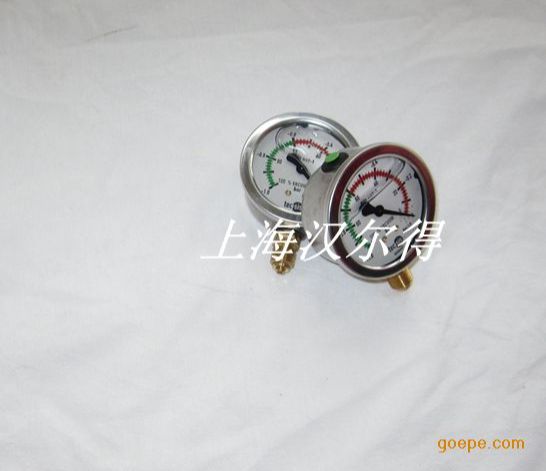
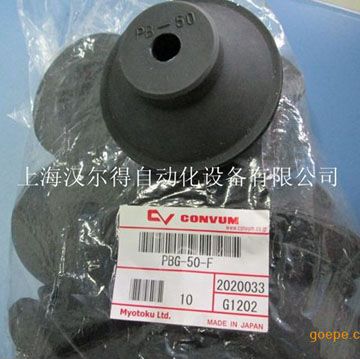
3. **Maintenance:** Regularly inspect vacuum seals, hoses, and mechanical clamps for wear to prevent failures.
4. **Operator Training:** Proper handling techniques are critical to prevent roll drops, which can cause injuries or material damage.
5. **Environment:** Avoid using vacuum systems in dusty or wet conditions unless explicitly rated for such environments.
These tools enhance productivity by reducing manual handling risks and improving workflow efficiency, but their performance hinges on correct selection for the specific material type and operational conditions. Always adhere to manufacturer guidelines and industry safety standards.



 (All Rights Reserved) (All Rights Reserved)