Product Description
We are professional Raw Material Manufacturer, with more than 10 years' experience.
Please contact us for more information and detailed quotation
Email: sales12@sgonekbio.com
Phone/WhatsApp/Wechat: +86 13572550462

AI Product Description
*The following content is generated by AI and is for reference only.
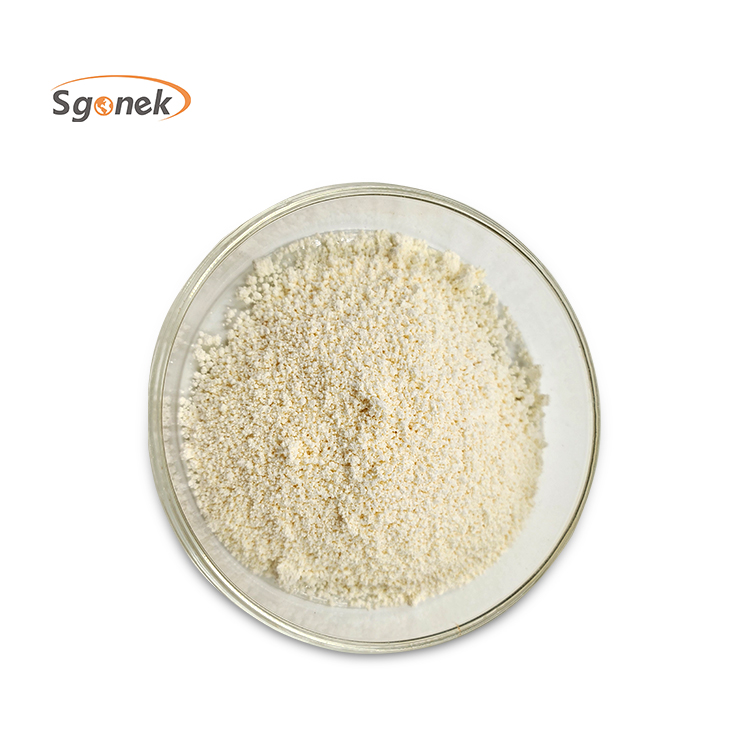
Watermelon seed protein is a high-quality, plant-based protein isolate derived from the seeds of *Citrullus lanatus*, commonly known as watermelon. Unlike many animal proteins, this ingredient offers a complete amino acid profile, making it an excellent choice for vegetarians, vegans, and individuals seeking sustainable nutritional alternatives. The production process typically involves cold-pressing or solvent extraction followed by enzymatic hydrolysis to ensure high digestibility and bioavailability while preserving essential nutrients.
Although specific molecular formulas vary depending on the exact peptide composition and degree of hydrolysis, watermelon seed protein generally consists of complex chains of amino acids including arginine, glutamine, and lysine. Consequently, it does not possess a single CAS number in the same manner as small molecule chemicals; instead, it is often categorized under generic food additive or protein isolate classifications used in regulatory frameworks. Its functional properties include excellent solubility, emulsification capabilities, and foaming stability, which make it highly versatile in food formulation.
The primary applications of watermelon seed protein span across the food and beverage industry. It is frequently utilized in protein bars, shakes, and smoothies to boost protein content without altering flavor profiles significantly due to its mild taste. In meat analogues, it serves as a binding agent that mimics the texture of muscle tissue, enhancing the mouthfeel of plant-based burgers and sausages. Furthermore, emerging research highlights its potential in cosmetic formulations, where its antioxidant properties help protect skin cells from oxidative stress. From a sustainability perspective, utilizing watermelon seeds transforms agricultural waste into valuable resources, supporting circular economy principles. As consumer demand shifts toward clean-label, non-GMO, and allergen-free ingredients, watermelon seed protein stands out as a promising solution for manufacturers aiming to meet modern dietary needs while reducing environmental impact. Its unique combination of nutritional value and functional performance ensures its growing prominence in global markets.











 (All Rights Reserved)