Product Description
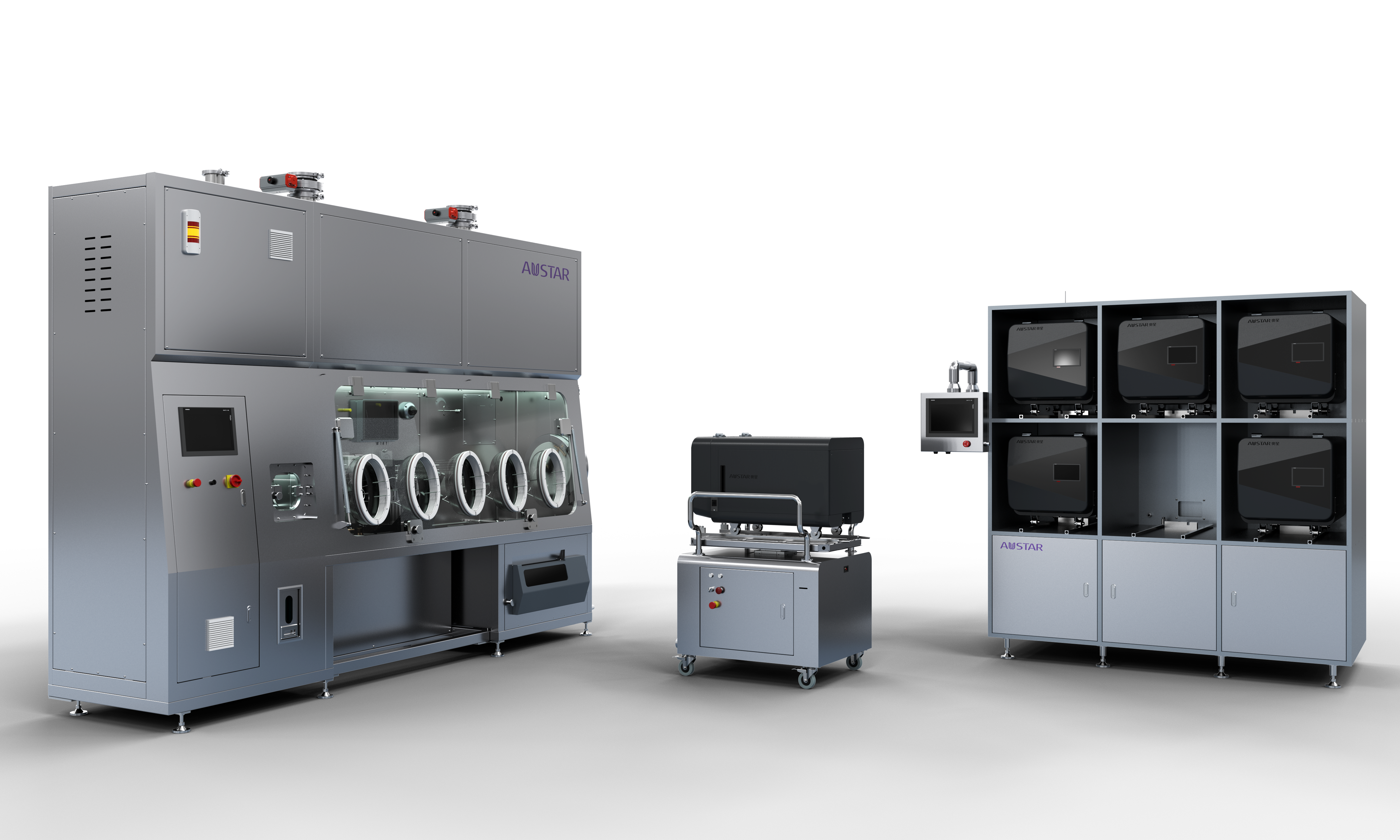
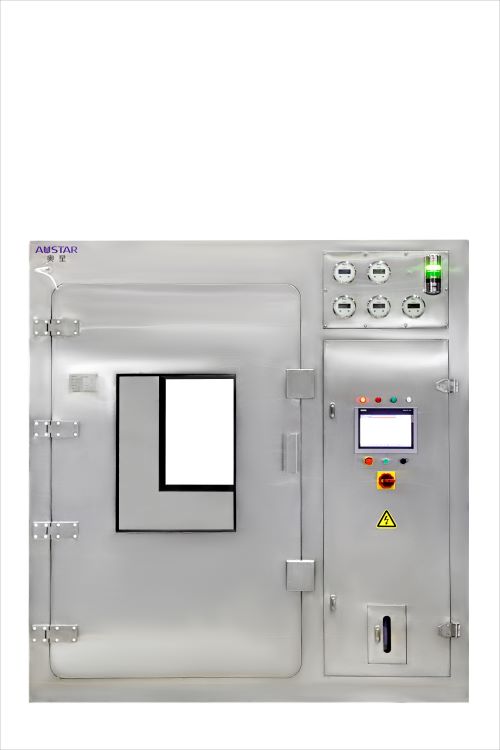
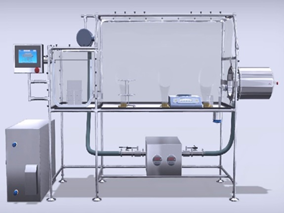
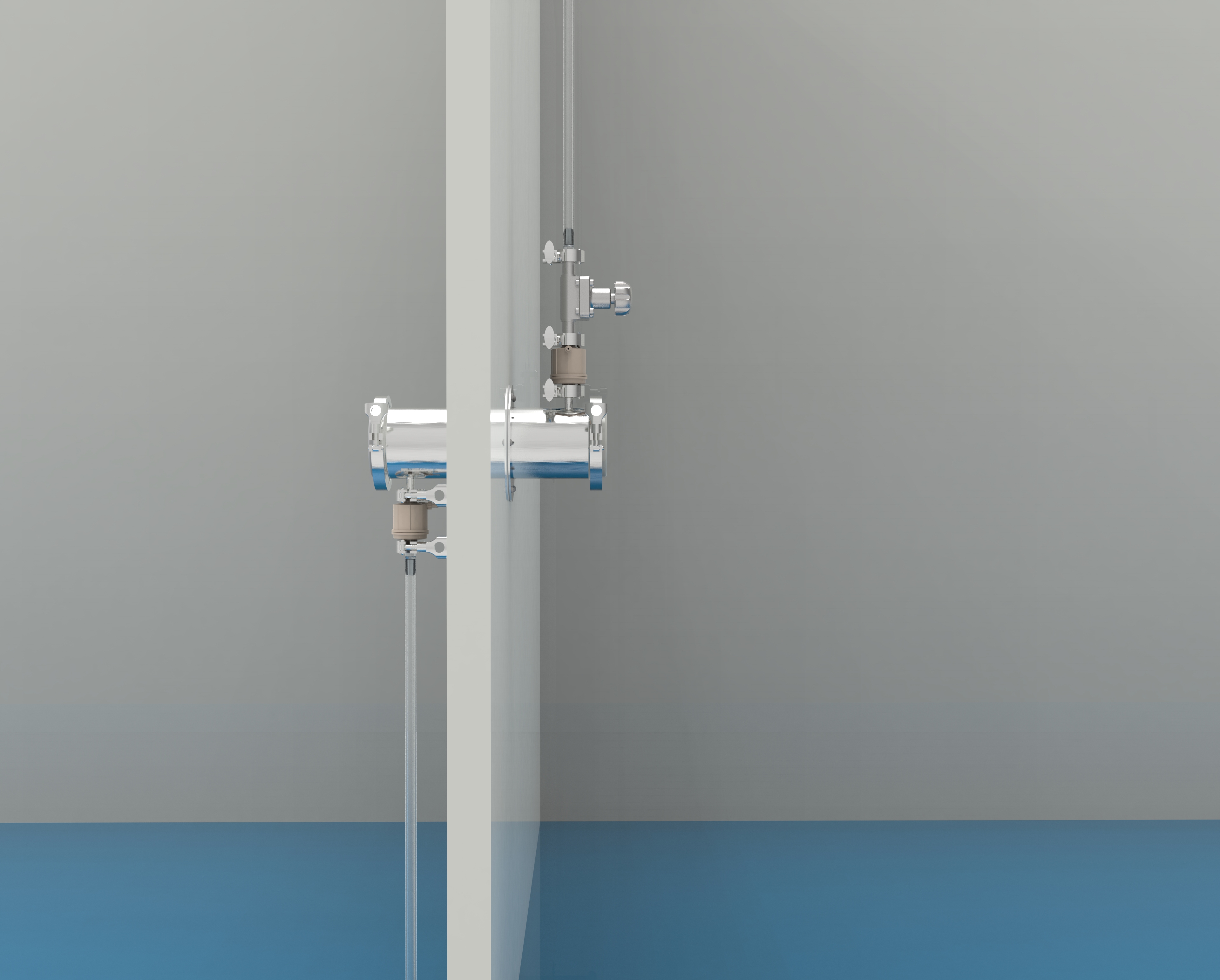
It is suitable for closed transfer of materials across clean or non-toxic areas to toxic areas
Media preparation room-cell culture room, buffer preparation room-purification room, purification room-purification room, preparation room-filling room and other links
AI Product Description
*The following content is generated by AI and is for reference only.
The product described is a specialized industrial safety barrier designed to allow controlled passage of personnel, materials, or equipment through restricted zones without compromising environmental containment. Typically installed in laboratories, cleanrooms, pharmaceutical facilities, and hazardous material handling areas, this system ensures that internal atmospheric conditions remain isolated from external environments during transit operations. Its primary function is to maintain positive or negative pressure differentials while facilitating the transfer of items between segregated spaces, thereby preventing cross-contamination and ensuring regulatory compliance with strict safety standards.
Constructed from durable stainless steel or high-grade polymers, the unit features interlocking doors equipped with advanced electronic sensors and automatic locking mechanisms. These components operate on a fail-safe principle, guaranteeing that both doors cannot be open simultaneously unless specific safety protocols are met. The system often integrates with building management networks for real-time monitoring of door status, cycle counts, and alarm triggers. Users can customize airflow patterns and filtration levels depending on the specific application requirements, ranging from sterile biological workspaces to volatile chemical processing units.
Critical operational precautions must be observed to ensure long-term reliability and user safety. Operators should never attempt to bypass the interlock mechanism manually, as this could lead to catastrophic pressure loss or exposure to hazardous agents. Regular maintenance is essential; filters must be inspected and replaced according to manufacturer schedules, and sensor alignment should be verified periodically to prevent false triggering. Additionally, the system requires periodic calibration of pressure differentials to maintain optimal performance. Training for all authorized users is mandatory before operation, emphasizing emergency shutdown procedures and proper sealing techniques. Failure to adhere to these guidelines may result in equipment damage, compromised containment integrity, or severe health risks. Proper installation by certified technicians is also vital to ensure structural stability and seamless integration with existing facility infrastructure. By following these protocols, organizations can maximize efficiency while maintaining the highest standards of safety and environmental control in critical operational zones.



 (All Rights Reserved)