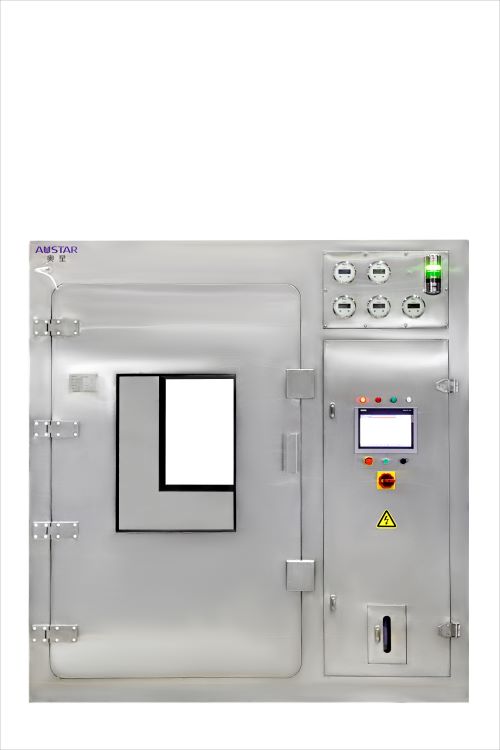
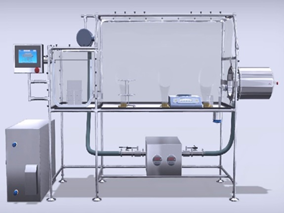
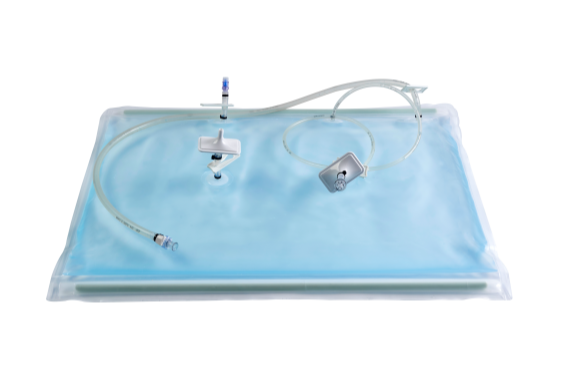
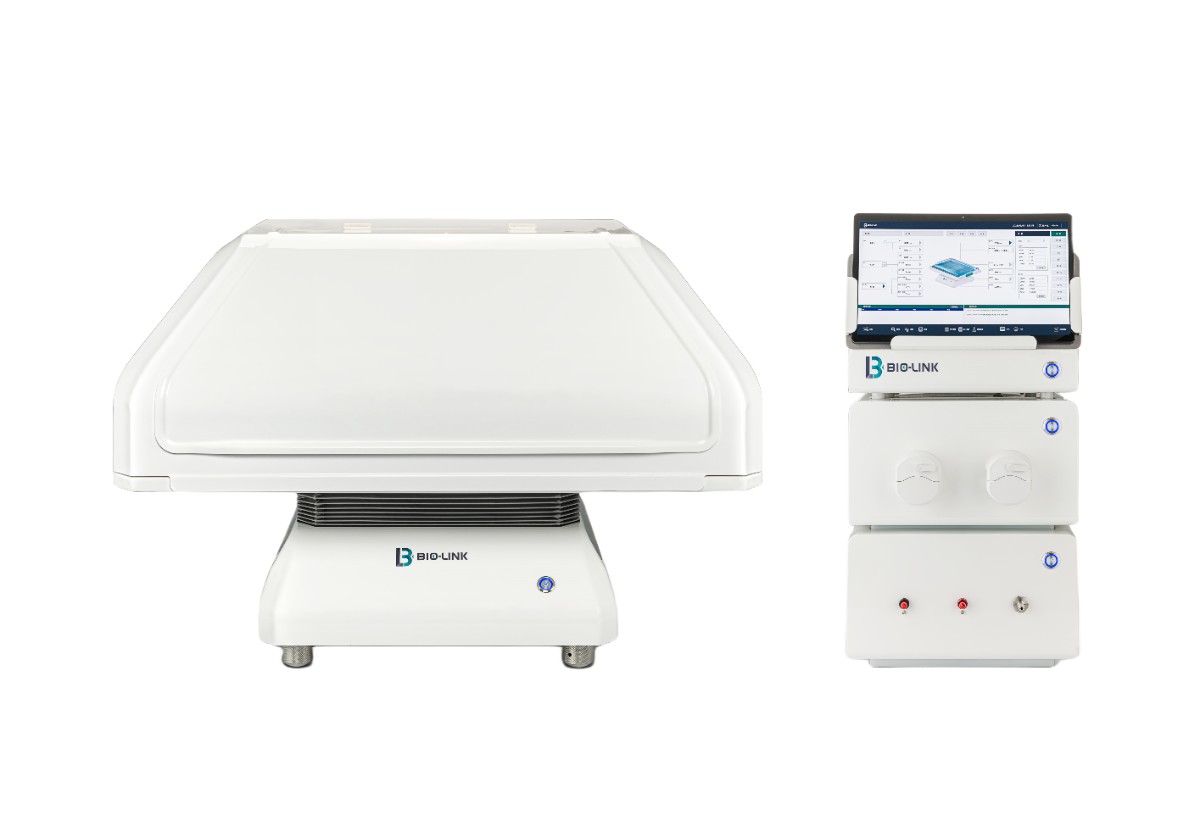
Product Description
1. The time and space isolation between different batches prevents contamination, cross-contamination.
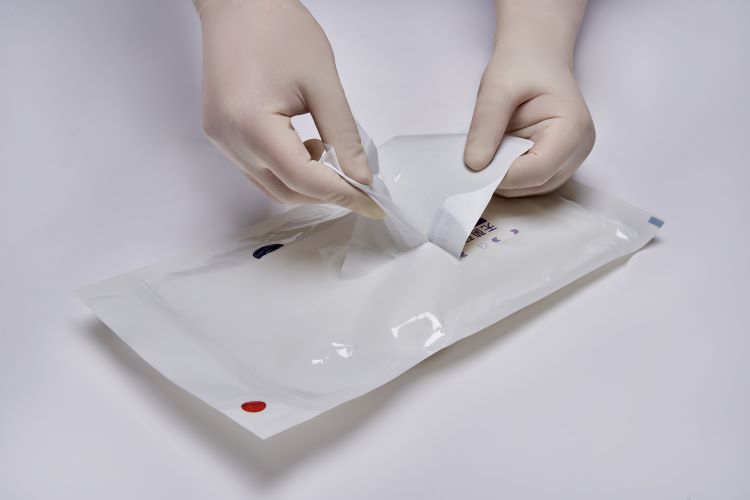
2. Utilizing RTPs for Rapid & Aseptic Transfer.
3. Customized, modular design.
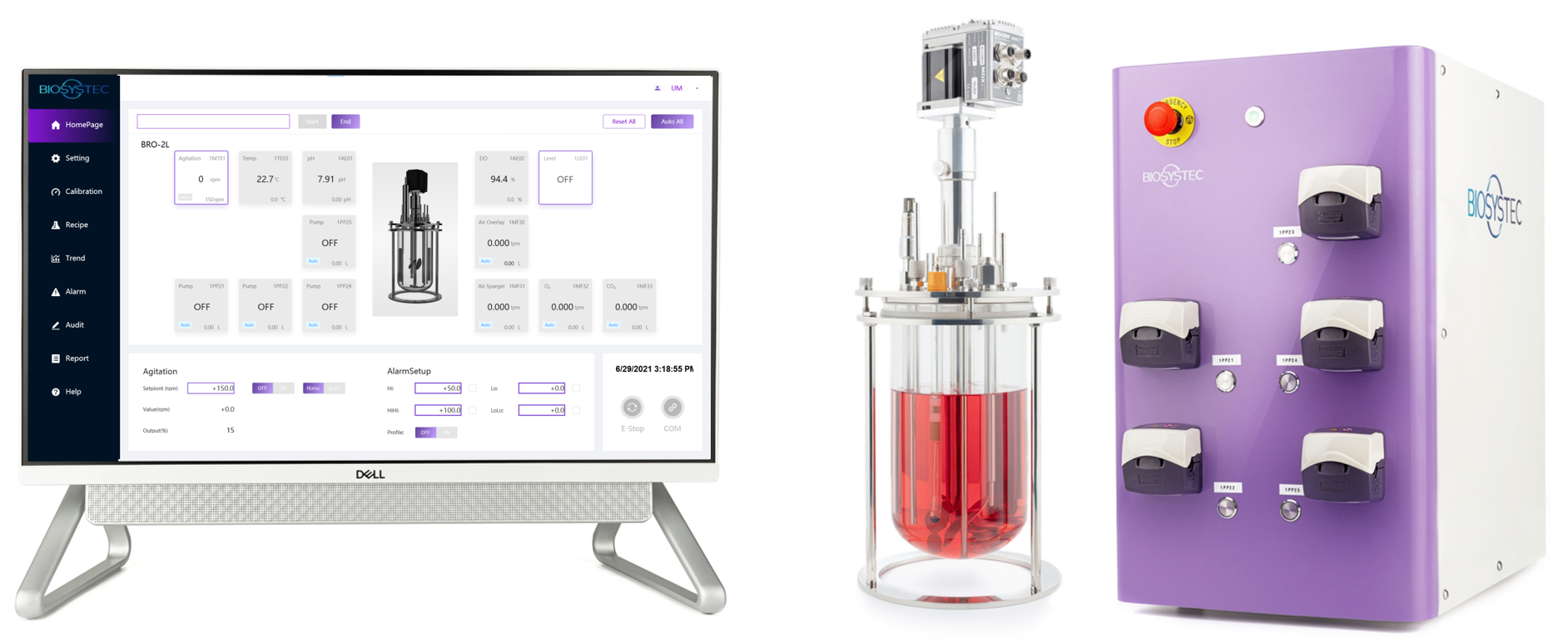
4. Real-time online environment monitoring.
5. Full recording of key manufacturing data.
6. The code scanning function avoids the risk of mix-up errors in cell manufacturing process.
AI Product Description
*The following content is generated by AI and is for reference only.
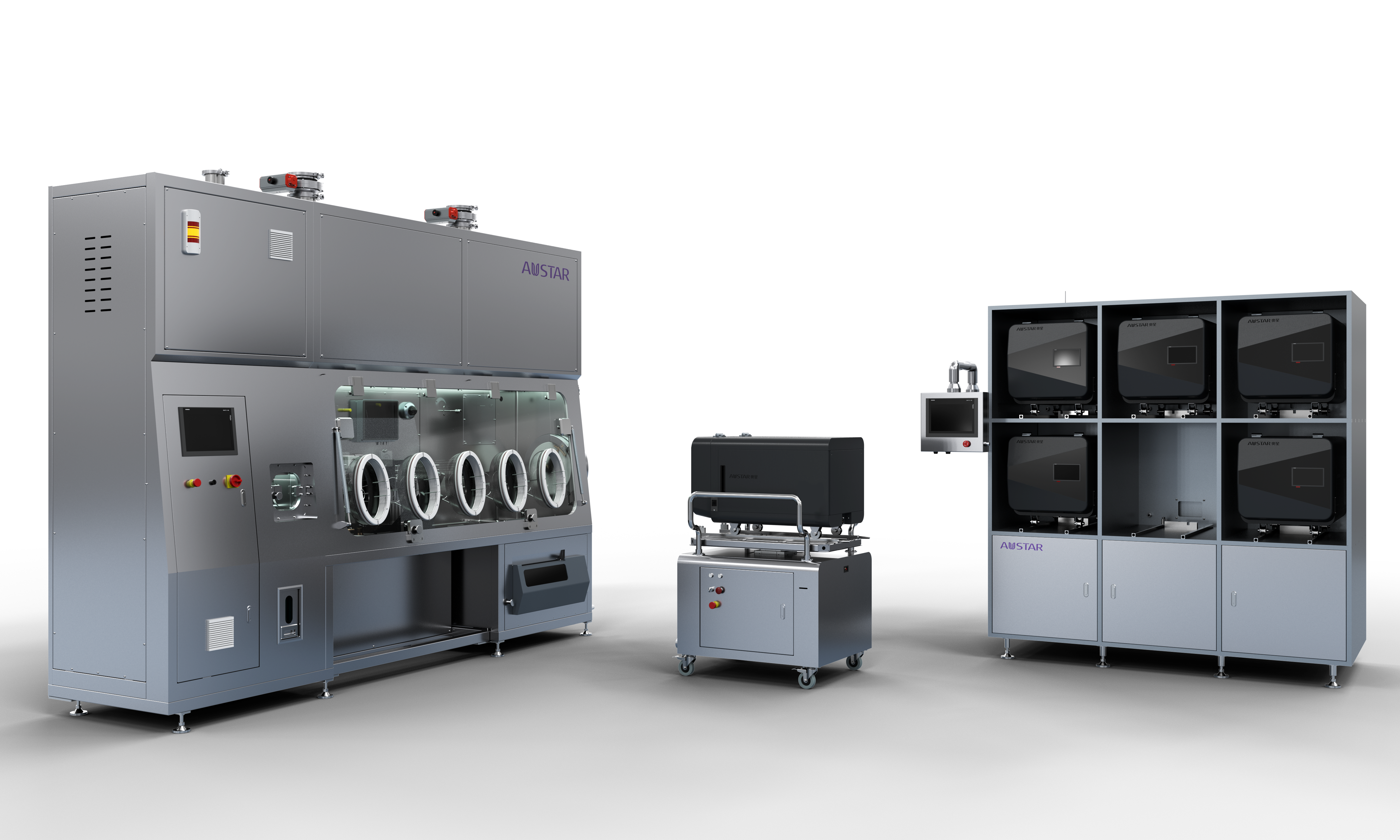
The Cell Preparation Isolator Workstation is a specialized piece of laboratory equipment designed to ensure the safe, sterile, and efficient processing of biological samples, particularly for cell therapy manufacturing. Unlike chemical compounds, this device does not possess a molecular formula or a CAS (Chemical Abstracts Service) number, as it is a mechanical system rather than a single chemical substance. Instead, its identity is defined by its engineering specifications, materials of construction, and compliance with regulatory standards such as ISO 14644 for cleanrooms and FDA guidelines for Good Manufacturing Practices (GMP).
These workstations function as closed systems that integrate high-efficiency particulate air (HEPA) filtration with controlled airflow dynamics to maintain a Class A or higher environment within the workspace. The primary purpose of a Cell Preparation Isolator Workstation is to protect both the operator and the product during critical steps like cell harvesting, washing, counting, and formulation. By isolating the process from external contaminants, these units prevent cross-contamination between different patient batches, which is vital in autologous and allogeneic cell therapies. Furthermore, they safeguard healthcare workers from exposure to potentially infectious agents or hazardous reagents used in cell manipulation.
Typically constructed from stainless steel or durable polymers with smooth, seamless surfaces, these isolators facilitate easy cleaning and sterilization using vaporized hydrogen peroxide or other validated methods. They often feature glove ports for manual operations, automated liquid handling interfaces, and real-time monitoring sensors for pressure, temperature, and humidity. The integration of advanced technology allows for precise control over the micro-environment, ensuring consistent product quality and patient safety. As the field of regenerative medicine expands, the demand for reliable, scalable, and compliant isolation technologies continues to grow, making these workstations indispensable assets in modern biopharmaceutical facilities dedicated to cellular and gene therapy production.



 (All Rights Reserved)