Product Description
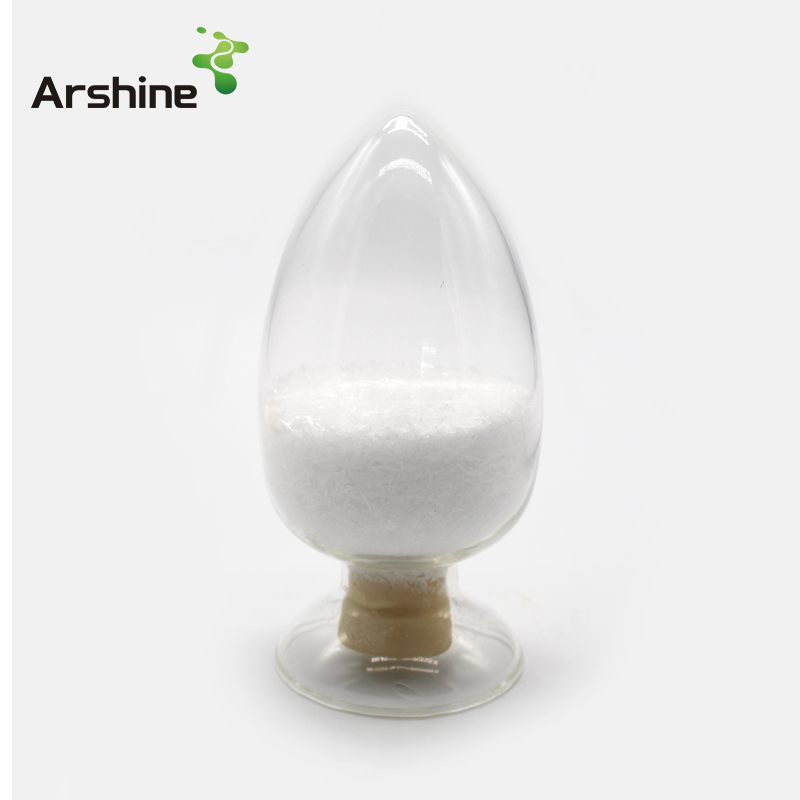
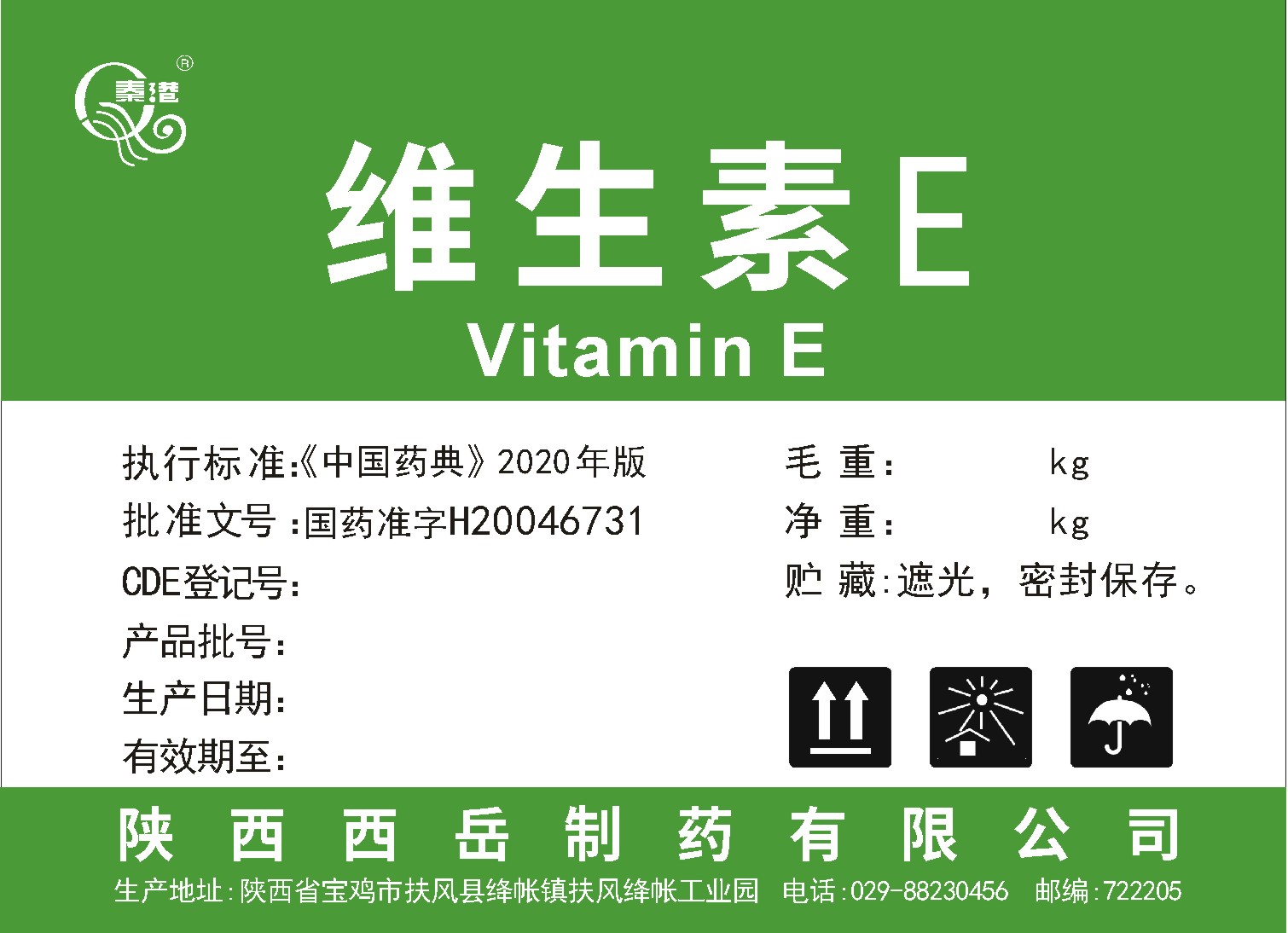
Vitamin E 50% feed grade
Appearance : off-white powder
Product Grade: feed grade
Specification: USP/BP/EP
Expiry: 2 years


Efficccy: promote health & growth
Pakaging: 25kg/drum
Storage: Store in dry places and keep away from strong direct light and heat.
Deliveryy : within 7 days after confirmation of order
AI Product Description
*The following content is generated by AI and is for reference only.
Vitamin E, scientifically known as tocopherol, is a fat-soluble antioxidant essential for human health and widely utilized across various industries. Its molecular formula is generally represented as C29H50O2 for alpha-tocopherol, the most biologically active form, though variations exist among different isoforms. The primary commercial variety, alpha-tocopherol acetate, carries the CAS number 10191-41-0, while natural alpha-tocopherol is identified by CAS 59-02-9. This compound functions primarily by neutralizing free radicals, thereby protecting cell membranes from oxidative damage caused by environmental stressors like UV radiation and pollution.
In the pharmaceutical and dietary supplement sectors, Vitamin E is crucial for supporting immune function, promoting skin health, and maintaining cardiovascular integrity. It is frequently included in multivitamin formulations to prevent deficiency-related issues such as hemolytic anemia and neurological disorders. Beyond internal consumption, its potent antioxidant properties make it a staple ingredient in the cosmetics industry. Formulators incorporate it into creams, serums, and lotions to combat signs of aging, reduce inflammation, and improve skin hydration by stabilizing other sensitive ingredients against oxidation.
The food industry also relies heavily on Vitamin E as a preservative additive (E306). By inhibiting lipid peroxidation, it extends the shelf life of oils, fats, and processed foods, preventing rancidity and preserving nutritional value. Furthermore, animal feed manufacturers add it to livestock diets to enhance meat quality and support reproductive health in breeding animals. While naturally occurring in vegetable oils, nuts, seeds, and leafy greens, synthetic versions are often produced to meet high global demand due to their cost-effectiveness and stability. Despite its safety profile at recommended doses, excessive intake can interfere with blood clotting mechanisms, necessitating careful dosage management. Overall, Vitamin E remains a versatile and indispensable compound bridging nutrition, medicine, and industrial applications, valued globally for its protective and restorative capabilities against oxidative stress.






 (All Rights Reserved)