Product Description
Usage
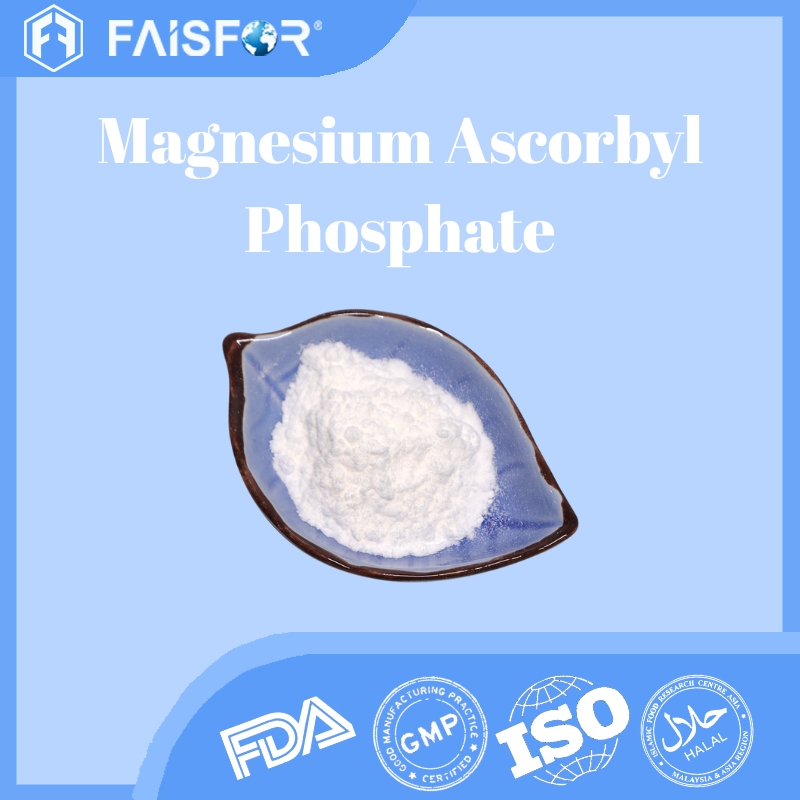
:Vitamin C is essential for the formation of Antibodies and collagen, tissie repair, the metabolism of phenylalanine, tyrosine and folic acid, the utilization of Iron and carbohydrates, the synthesis of fat and proteins, the maintenance of immunity, hydroxyl and serotonin, the remain of endothelium intact and promotion of non-haem iron’s absorption. Meanwhile, it has the function of antioxidant, fighting free radicals,
AI Product Description
*The following content is generated by AI and is for reference only.
Vitamin C, scientifically known as L-ascorbic acid, is a vital water-soluble nutrient essential for human health and widely utilized across various industries. Its molecular formula is C6H8O6, reflecting its structure as a six-carbon compound with multiple hydroxyl groups that confer potent antioxidant properties. The Chemical Abstracts Service (CAS) number for this ubiquitous substance is 50-81-7, providing a unique identifier for regulatory and scientific reference globally.
Primarily renowned for its role in preventing scurvy and supporting immune function, Vitamin C acts as a critical cofactor in the synthesis of collagen, carnitine, and certain neurotransmitters. It facilitates wound healing, enhances iron absorption from plant sources, and protects cells from oxidative damage caused by free radicals generated by environmental stressors like UV radiation and pollution. In the pharmaceutical sector, it is formulated into tablets, effervescent powders, and injectable solutions to treat deficiencies or support recovery during illness.
Beyond healthcare, Vitamin C is indispensable in the food industry as a preservative and antioxidant agent. It prevents oxidation in fruits, vegetables, and processed foods, maintaining color, flavor, and nutritional value over time. Furthermore, it serves as a functional ingredient in cosmetic formulations, where it brightens skin tone, reduces hyperpigmentation, and stimulates collagen production to minimize signs of aging. Its ability to neutralize reactive oxygen species makes it a staple in anti-aging serums and sunscreens.
In industrial applications, the compound is used as a reducing agent in photography and dye manufacturing, while also playing a role in water treatment processes. Despite its versatility, Vitamin C remains sensitive to heat, light, and air, necessitating careful storage and formulation to maintain stability. Whether consumed as a dietary supplement, applied topically for skincare, or employed in industrial chemistry, L-ascorbic acid stands as a cornerstone molecule bridging biology, medicine, and commerce. Its safety profile, combined with extensive research backing its efficacy, ensures its continued prominence in global markets as a fundamental component of modern wellness and technology.





 (All Rights Reserved)