Product Description
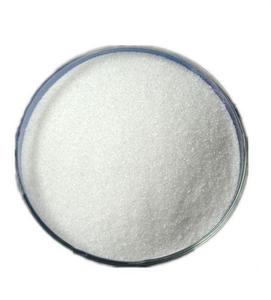
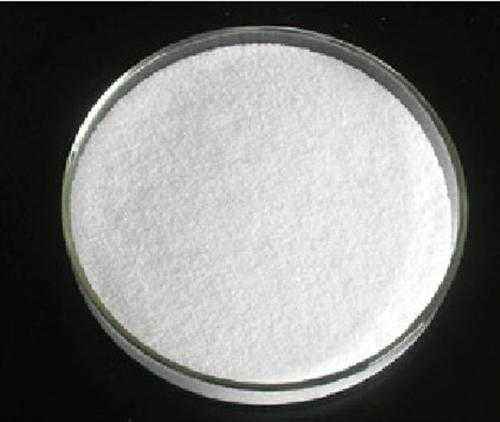
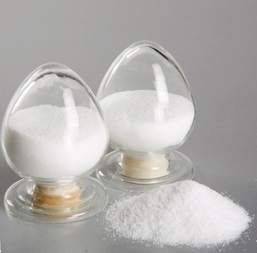
Melting Point: 187℃~ 192℃;PH:2.1~2.6;Color of Solution:≤BY7;Cu:≤5ppm;Heavy Metals:≤10ppm;Fe:≤2ppm;Hg:≤1ppm;Lead:≤2ppm;As:≤3ppm;Oxalic acid:≤0.2%;Loss on Drying:≤0.4%;Residue on Ignition:≤0.1 %;Specific Rotation:+20.5 ° +21.5°;Assay:99.0-100.5%
AI Product Description
*The following content is generated by AI and is for reference only.
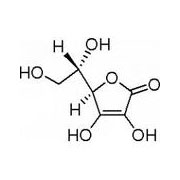
Vitamin C, scientifically known as L-ascorbic acid, is a vital water-soluble nutrient essential for human health and widely utilized across various industries. Its chemical formula is C₆H₈O₆, and it is identified by the CAS number 50-81-7. As a potent antioxidant, Vitamin C plays a critical role in neutralizing free radicals, thereby protecting cells from oxidative stress and supporting the immune system. In the human body, it is indispensable for the synthesis of collagen, a structural protein crucial for skin elasticity, wound healing, and the integrity of blood vessels and cartilage. Furthermore, it enhances iron absorption from plant-based foods and aids in the production of neurotransmitters like serotonin.
Beyond its biological significance, Vitamin C serves as a cornerstone ingredient in the global cosmetic industry. Due to its ability to inhibit melanin production, it is extensively formulated into serums, creams, and lotions to brighten skin tone, reduce hyperpigmentation, and mitigate signs of aging such as fine lines and wrinkles. Its antioxidant properties also help protect the skin against environmental damage caused by UV radiation and pollution. In the food and beverage sector, it acts as a natural preservative and color stabilizer, preventing oxidation that leads to spoilage or discoloration in fruits, vegetables, and processed goods. Additionally, it functions as an acidity regulator and nutritional supplement in fortified products.
Industrial applications extend to pharmaceuticals, where it is used in effervescent tablets, injections, and capsules to treat scurvy and address deficiencies. The compound is generally recognized as safe (GRAS) by regulatory bodies when consumed within recommended limits. However, high doses may cause gastrointestinal discomfort in sensitive individuals. With its multifaceted benefits ranging from cellular protection to aesthetic enhancement, Vitamin C remains one of the most researched and versatile compounds in modern science, bridging the gap between nutrition, medicine, and personal care. Its stability can be influenced by pH, temperature, and light exposure, necessitating careful formulation in commercial products to maintain efficacy.



 (All Rights Reserved)