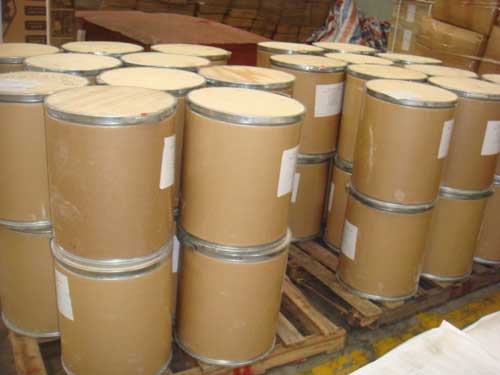
Viaminate 99%min supplier Pharmaceutical API Skin disease medicine A retinoic acid derivatives made in china 53839-71-7
AI Product Description
*The following content is generated by AI and is for reference only.
The product referenced as "Viaminate 99% min" appears to be a commercial trade name or a specific branding for a high-purity pharmaceutical intermediate, likely corresponding to Tretinoin (All-trans Retinoic Acid) or a closely related retinoic acid derivative used in dermatology. While "Viaminate" itself is not a standard chemical synonym found in major regulatory databases like the FDA or EMA, the description "A retinoic acid derivatives made" strongly indicates its identity within the vitamin A acid family. The primary active ingredient associated with such descriptions in the pharmaceutical API market is Tretinoin, which possesses the molecular formula C₂₀H₂₈O₂ and the CAS number 302-79-4. It may also refer to Isotretinoin (CAS: 4759-48-2), another critical retinoid used in treating severe acne. These compounds are potent Vitamin A derivatives essential for modulating cell differentiation and proliferation.
In the global pharmaceutical supply chain, suppliers offering these APIs at 99% minimum purity cater to manufacturers of topical creams, gels, and oral capsules designed to treat various skin diseases. The primary therapeutic applications include the management of severe nodular acne, photodamage reversal, and the treatment of certain keratinization disorders such as psoriasis. As a retinoic acid derivative, the mechanism of action involves binding to nuclear retinoic acid receptors (RARs), thereby regulating gene expression to normalize follicular epithelial desquamation and reduce inflammation. High-purity API is crucial for ensuring consistent bioavailability and safety profiles in final dosage forms. Manufacturers utilize these raw materials to formulate treatments that address hyperpigmentation, fine lines, and severe cystic acne. Strict quality control ensures the absence of isomers or impurities that could cause adverse cutaneous reactions. Consequently, this category of pharmaceutical intermediates remains a cornerstone in modern dermatological therapy, bridging the gap between chemical synthesis and clinical efficacy for patients suffering from chronic skin conditions.