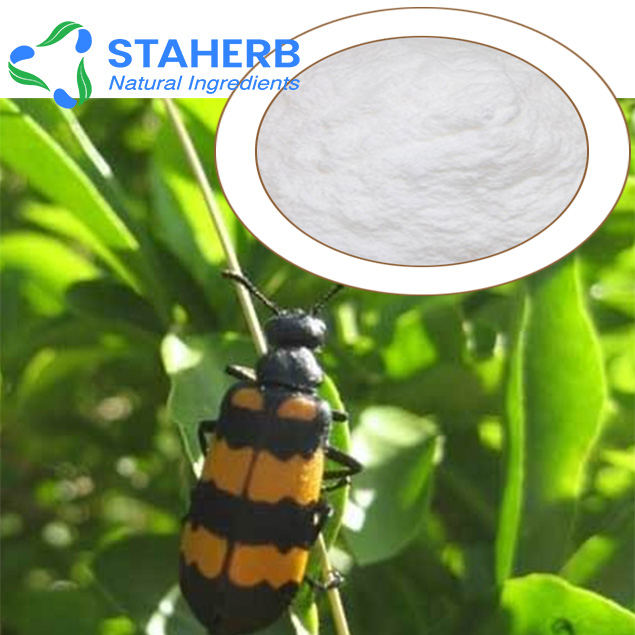
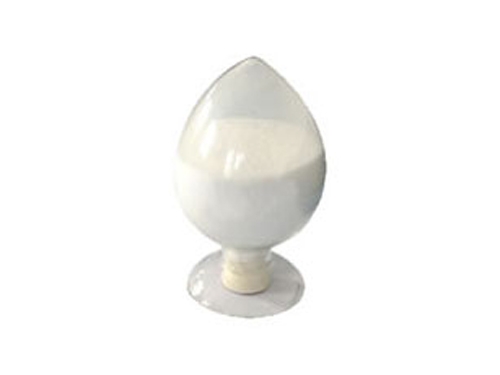
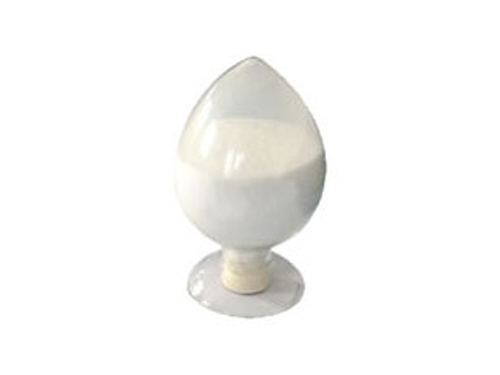
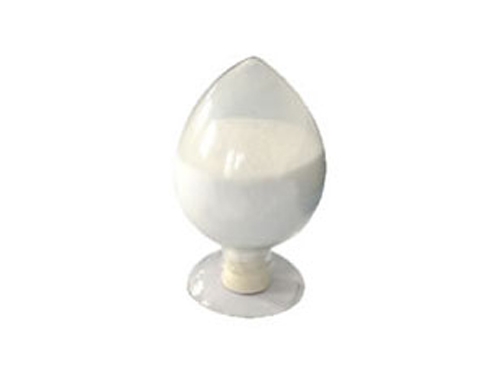
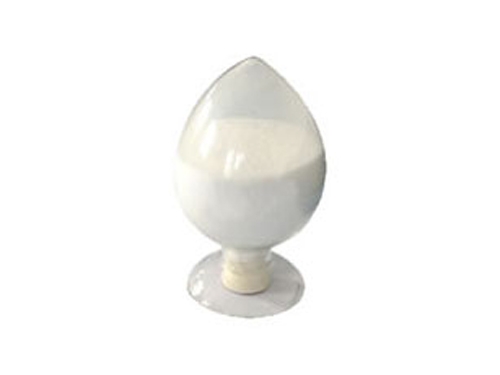
Product Description
Product specification : 10:1 20:1
Detection method :TLC
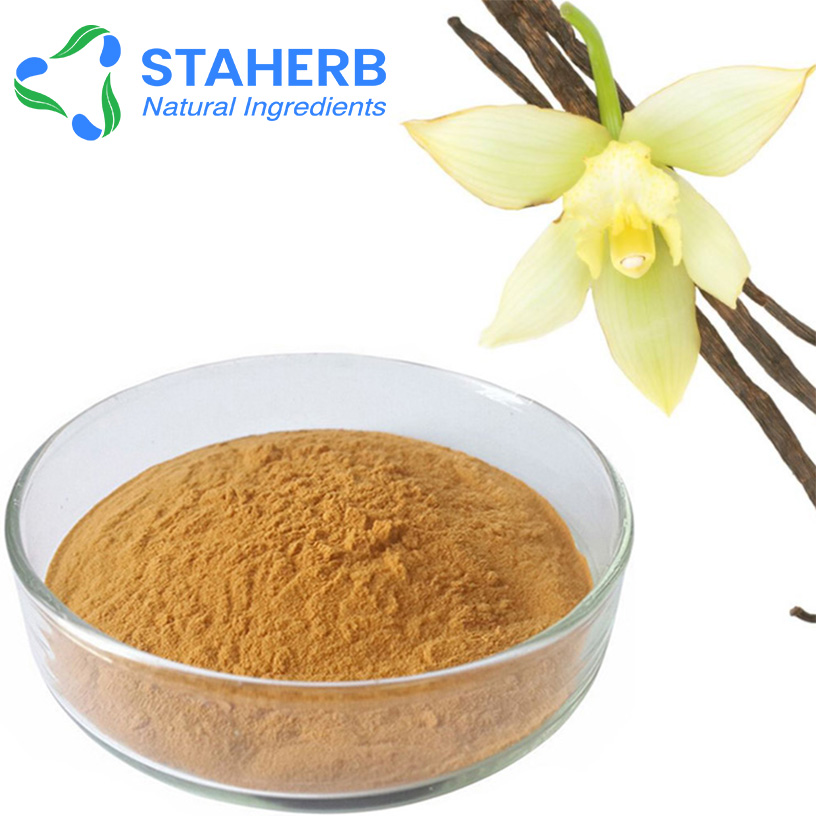
Product color: yellow brown
fineness :80-100 mesh Drying method: spray drying
Shelf life: two years
Packaging: Zip-lock bag/aluminum foil bag/carton/cardboard barrel Manufacturer: Changsha Staherb Natural Ingredients Co., LTD.
Storage conditions: cool and dry place
AI Product Description
*The following content is generated by AI and is for reference only.
Vanilla extract and Coriander extract are two distinct natural flavoring agents widely utilized in the food, beverage, and fragrance industries, though they differ significantly in their chemical composition and applications. Vanilla extract is primarily derived from cured vanilla beans (Vanilla planifolia). Its main active compound is vanillin, with a molecular formula of C₈H₈O₃ and CAS number 121-33-5. However, commercial vanilla extract is a complex mixture containing hundreds of volatile compounds, including ethyl vanillin and various phenols, dissolved in an ethanol-water solution. It is renowned for its sweet, creamy, and aromatic profile, making it indispensable in baking, confectionery, dairy products like ice cream, and even in perfumery for adding warmth to floral or oriental compositions.
In contrast, Coriander extract is obtained from the seeds of Coriandrum sativum. The primary chemical constituents are monoterpenes, specifically linalool (C₁₀H₁₈O, CAS 78-70-6) and geraniol, which provide a fresh, citrusy, and slightly spicy aroma. Unlike vanilla, coriander extract offers a bright, herbal top note often used to balance sweetness or add complexity to savory dishes, sauces, and marinades. In the beverage sector, it is frequently found in craft beers, cocktails, and soft drinks. While both extracts serve as natural flavor enhancers, vanilla provides deep, comforting undertones, whereas coriander delivers a zesty, refreshing lift. They are generally recognized as safe (GRAS) by regulatory bodies when used within established limits. These extracts are preferred over synthetic alternatives by consumers seeking clean-label products, offering authentic sensory experiences that enhance product quality without artificial additives. Their versatility allows formulators to create balanced flavor profiles across diverse culinary categories, ensuring consistent taste and aroma in global markets.





 (All Rights Reserved)