Product Description
please call me ,to know more
AI Product Description
*The following content is generated by AI and is for reference only.
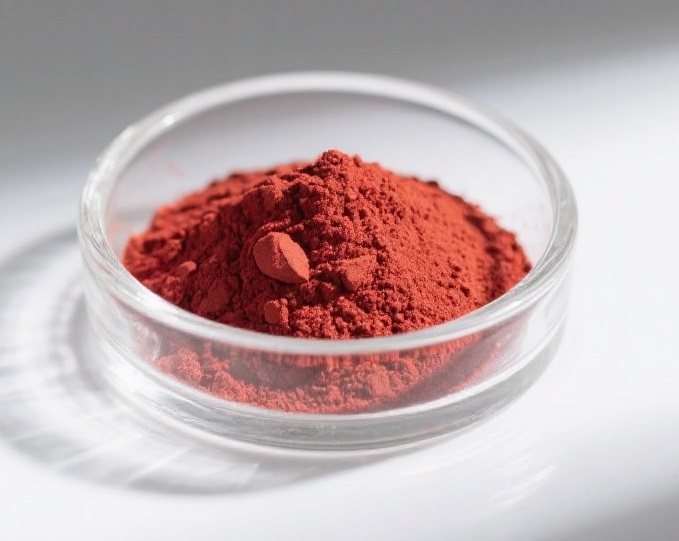
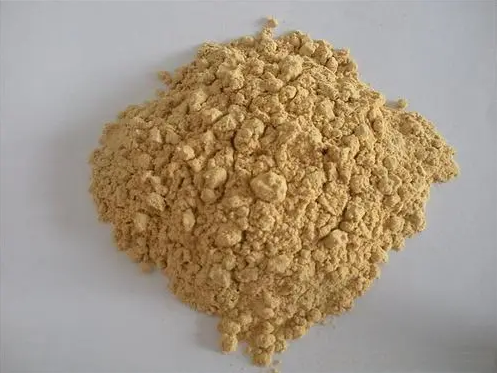
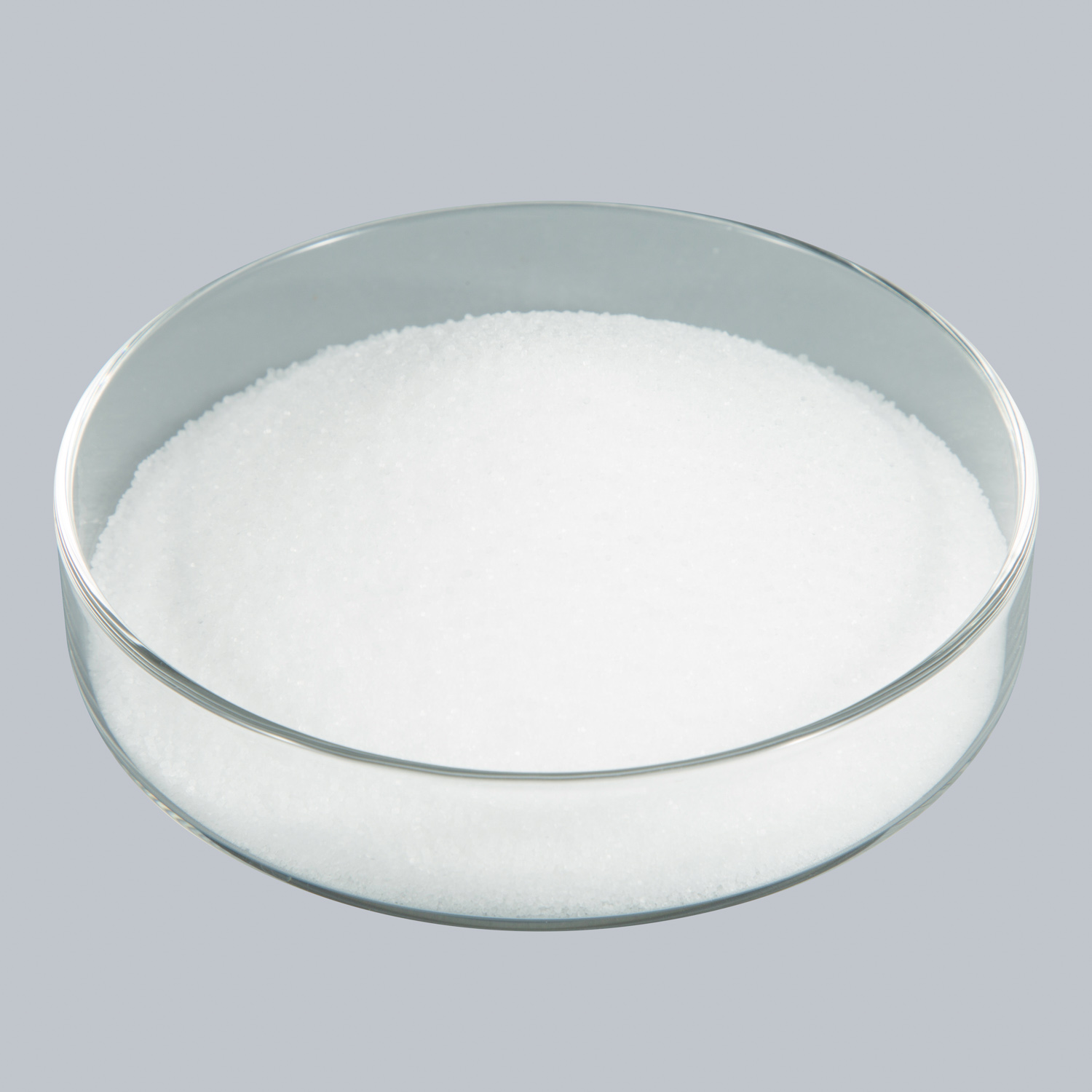
Usnic acid is a unique, naturally occurring dibenzofuran derivative primarily isolated from various species of lichens, most notably those belonging to the genera Usnea and Cladonia. This yellow, crystalline powder has garnered significant attention in scientific research due to its potent biological activities, particularly its strong antibacterial and antifungal properties. The molecular formula of usnic acid is C18H16O7, with a corresponding molecular weight of approximately 344.32 g/mol. It is uniquely identified by the CAS number 1033-85-6, which serves as a critical reference for regulatory compliance and chemical inventory management globally.
Historically, usnic acid has been utilized in traditional medicine systems to treat wounds, burns, and skin infections owing to its ability to inhibit bacterial growth effectively. In modern applications, it is frequently incorporated into topical formulations, including creams, ointments, and deodorants, where it functions as an antimicrobial agent to prevent odor-causing bacteria on the skin. Furthermore, recent studies have explored its potential anti-inflammatory effects and its capacity to induce apoptosis in certain cancer cell lines, although clinical applications in oncology remain under investigation and are not yet standard practice.
Despite its promising therapeutic profile, the safety and efficacy of usnic acid require careful consideration. Some reports have linked high doses or prolonged systemic use to hepatotoxicity, highlighting the importance of adhering to established dosage guidelines and regulatory limits. Consequently, while it remains a valuable component in dermatological products and natural health supplements, its usage is often restricted to external applications to minimize potential liver risks. As research continues, the pharmaceutical industry aims to develop safer derivatives or delivery systems that maximize the beneficial antimicrobial properties of usnic acid while mitigating adverse effects. Its distinct chemical structure and broad spectrum of activity ensure that usnic acid will likely continue to be a subject of intense study and application in both cosmetic and medical fields.




 (All Rights Reserved)