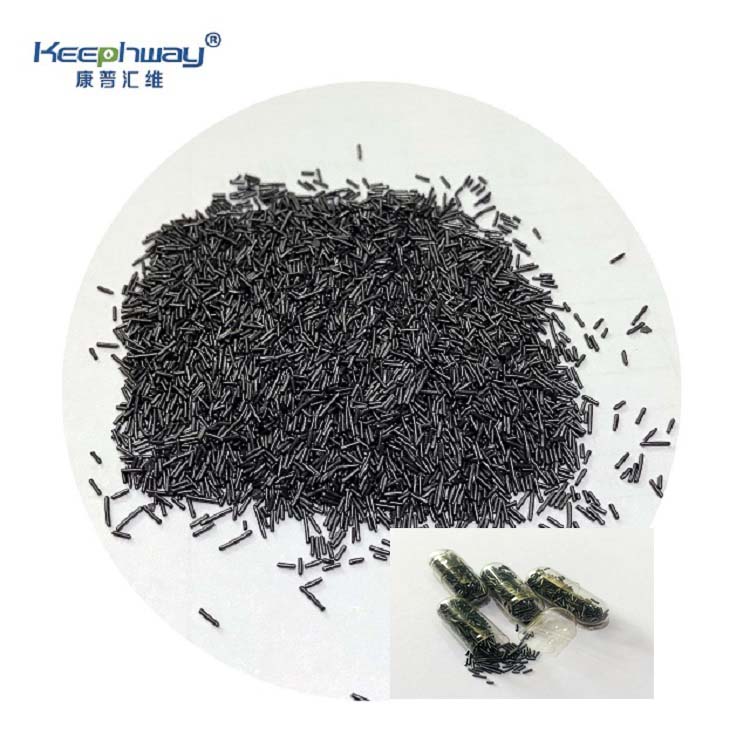
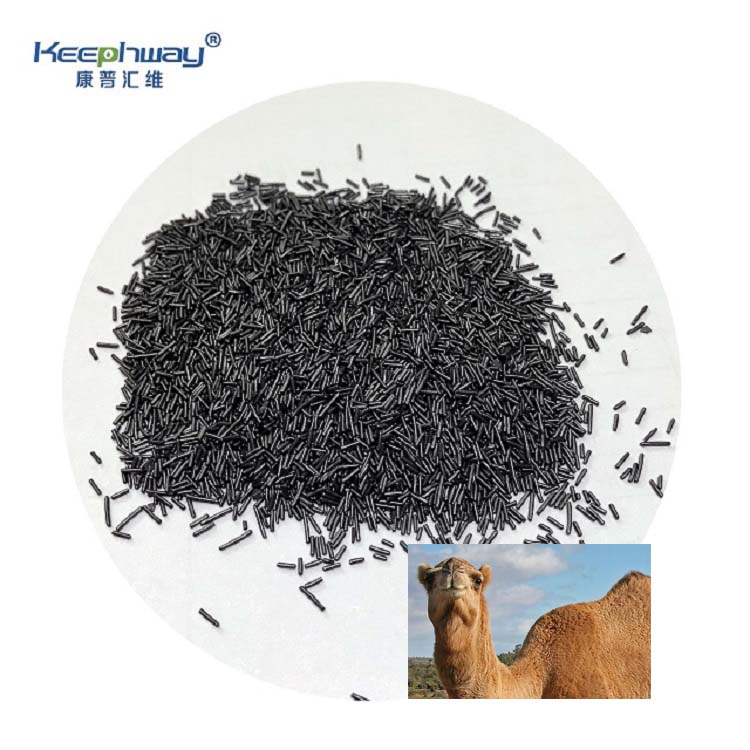
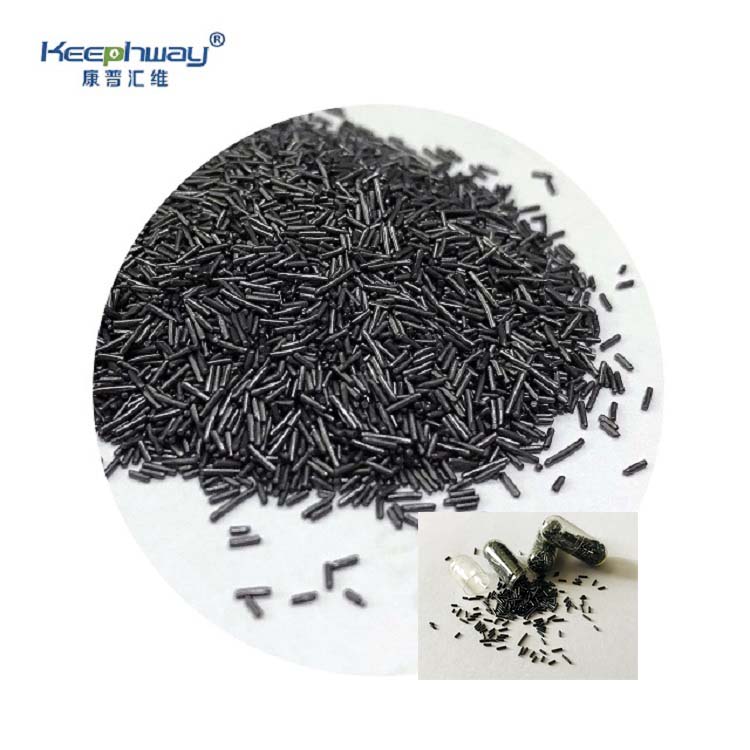
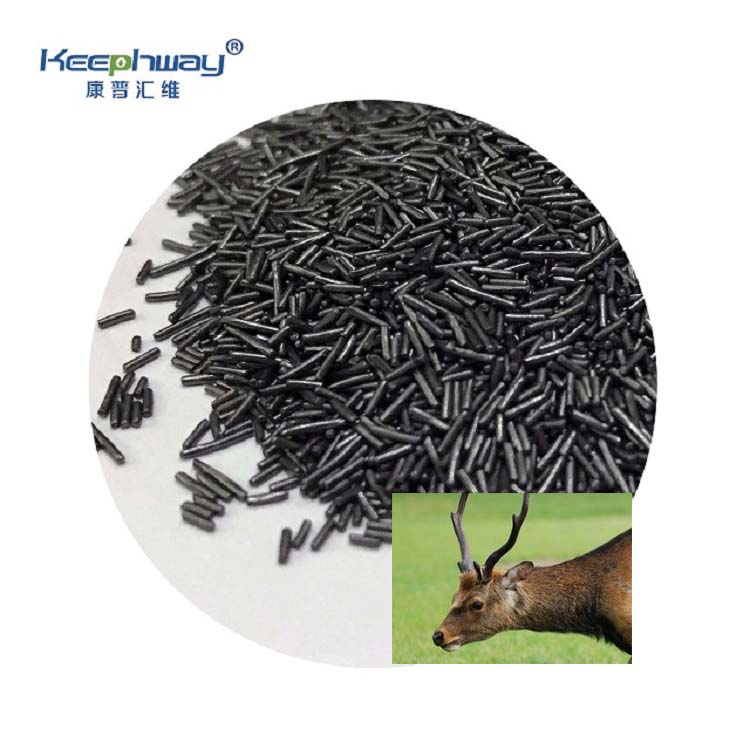
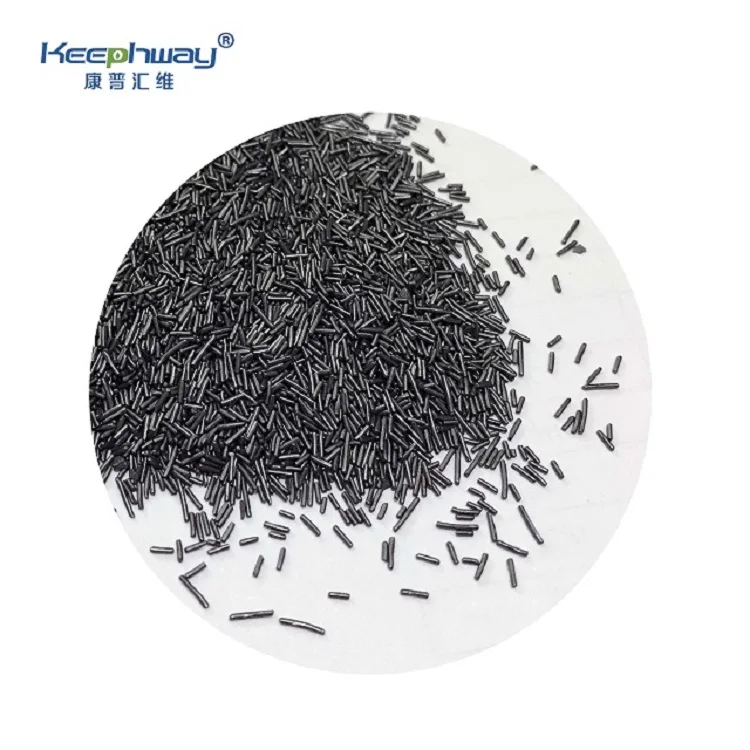
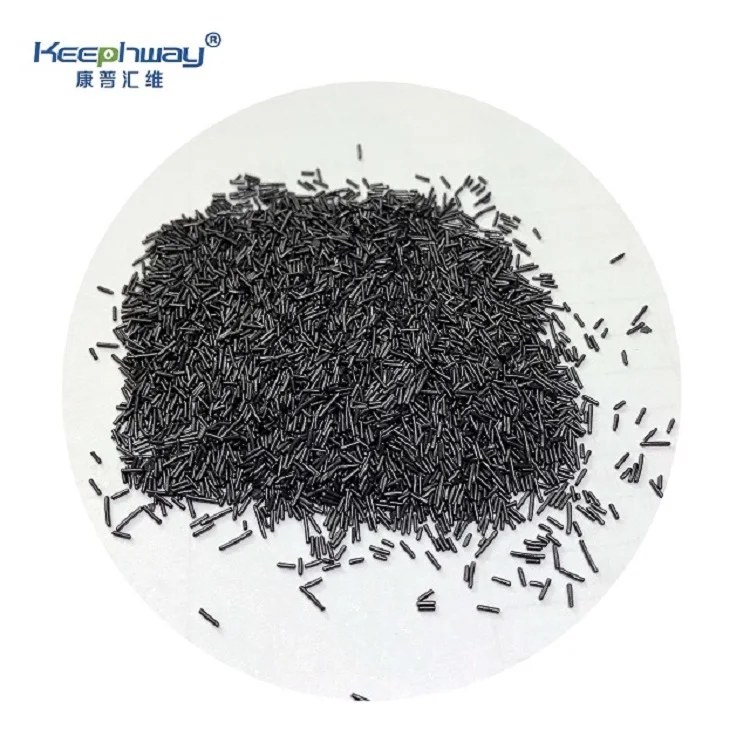
Copper oxide wire used to make copper pellets for cattle and sheep
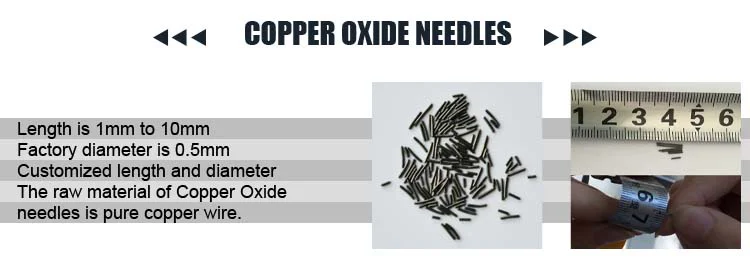
分子式:CuO
分子量:79.54
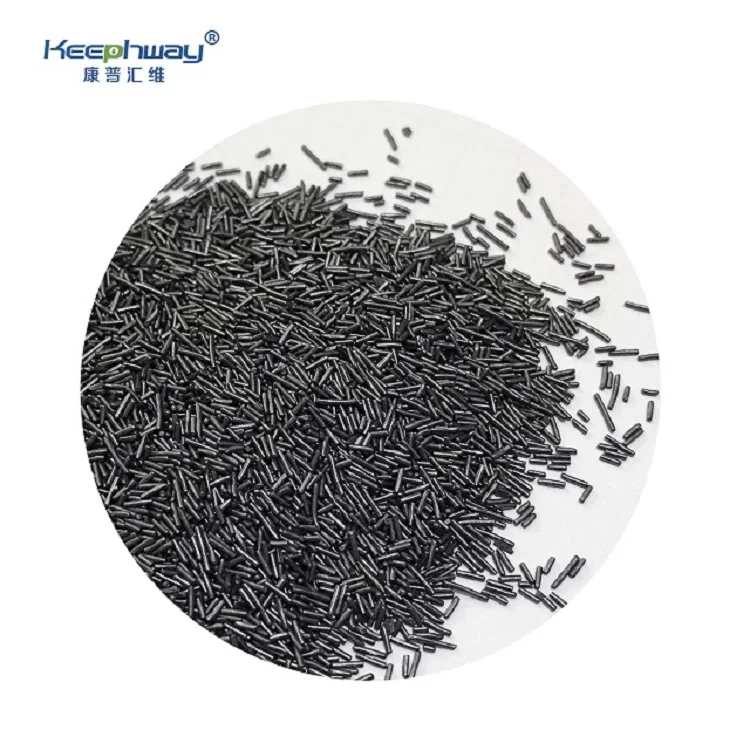
产品简述:该试剂为纯黑色线,含氧化亚铜和铜。
参考标准HG / T 3490-2003
规格:考虑到最高含量和杂质含量按%计
测试项目:分析级
含量(以铜计) | 87.0 |
氯化物(Cl) | 0.005 |
硫化合物(以SO4计) | 0.005 |
总氮(N) | 0.002 |
碳化合物(以C计) | 0.002 |




*The following content is generated by AI and is for reference only.
Copper oxide wire, chemically represented by the formula CuO (copper(II) oxide), is a specialized industrial material widely utilized in agricultural and metallurgical sectors. While often processed into pellets or granules for specific applications, its wire form offers unique mechanical properties suitable for high-temperature environments. The substance is characterized by a black crystalline structure and possesses excellent thermal conductivity alongside significant electrical resistance at elevated temperatures. Its primary CAS number is 1317-38-0, identifying it as a stable copper compound with distinct chemical reactivity.
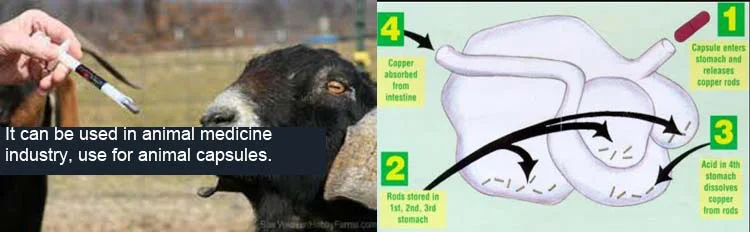
In the agricultural domain, this material plays a critical role in livestock nutrition. Copper oxide wire pellets are frequently administered to cattle and sheep to address copper deficiencies inherent in certain grazing soils. When ingested, these pellets slowly release copper ions within the rumen, ensuring a sustained supply of this essential trace element vital for enzyme function, iron metabolism, and immune system support. This method prevents the rapid depletion of copper stores that can occur with soluble salts, thereby promoting optimal growth rates, wool quality in sheep, and overall herd health. Beyond agriculture, copper oxide serves as a precursor in the production of ceramics, pigments, and semiconductors. It is also employed as an oxidizing agent in organic synthesis and as a catalyst in various chemical reactions. The wire configuration specifically allows for controlled surface area exposure during manufacturing processes or when integrated into heating elements where oxidation resistance is paramount. Due to its stability and non-toxic nature when properly managed, copper oxide remains a cornerstone material in both traditional farming practices and advanced industrial applications. Its versatility stems from the balance between its chemical reactivity and physical durability, making it indispensable for maintaining animal health through targeted nutritional supplementation while supporting diverse manufacturing needs globally.