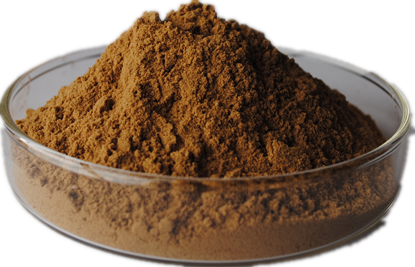
Product Description
please call me ,to know more
AI Product Description
*The following content is generated by AI and is for reference only.
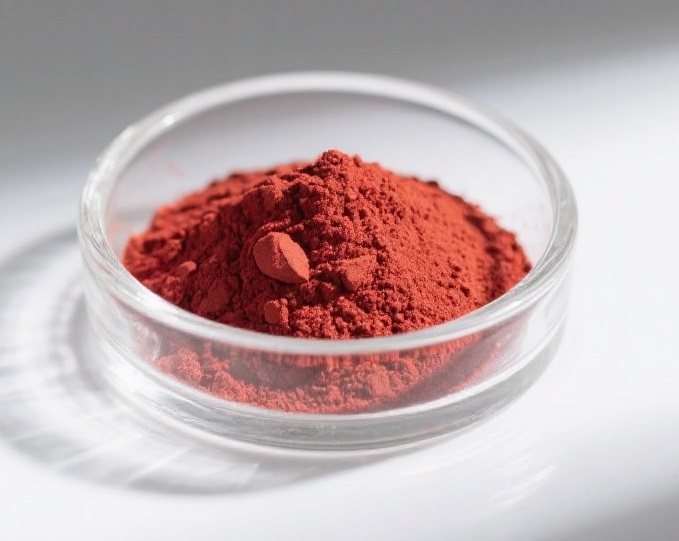
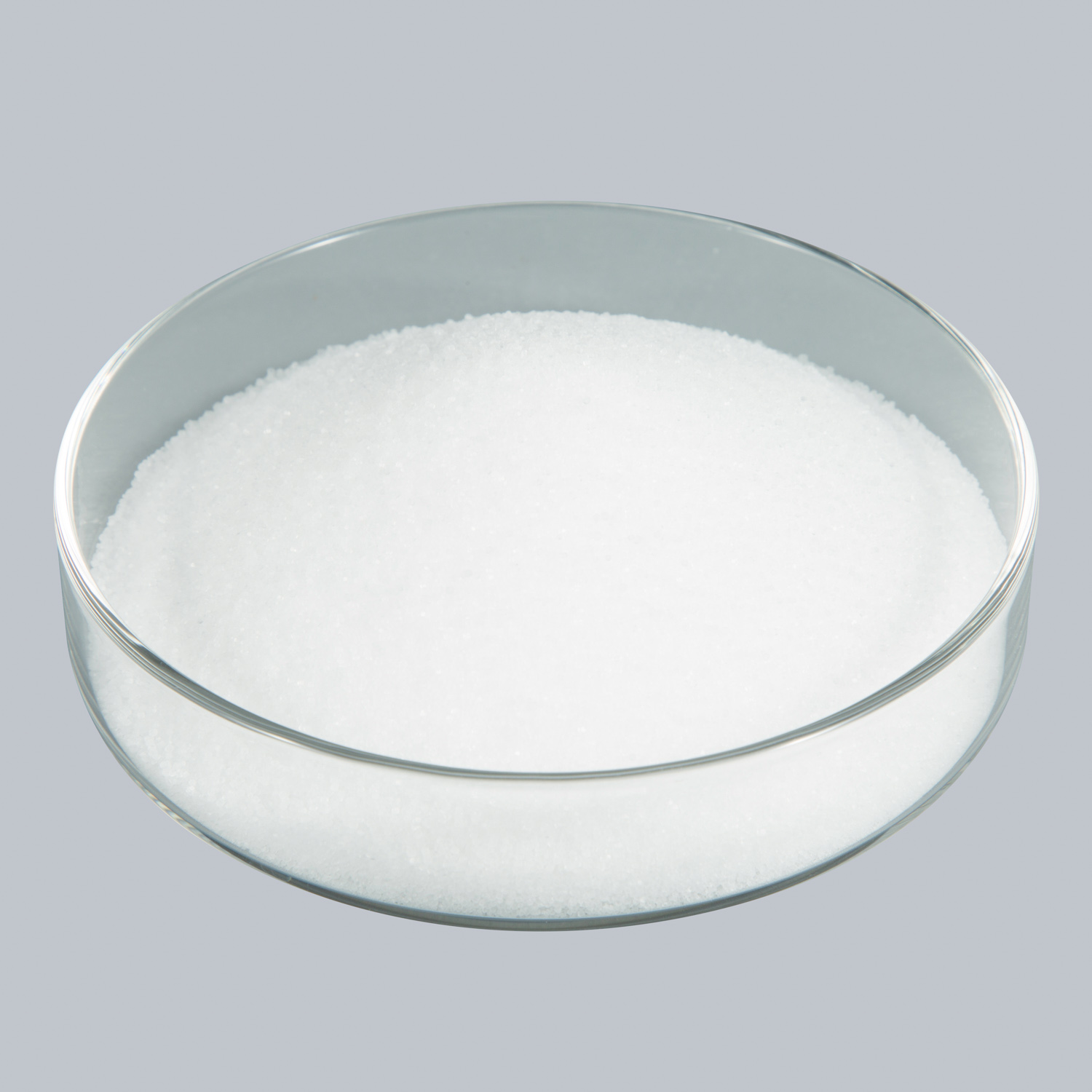
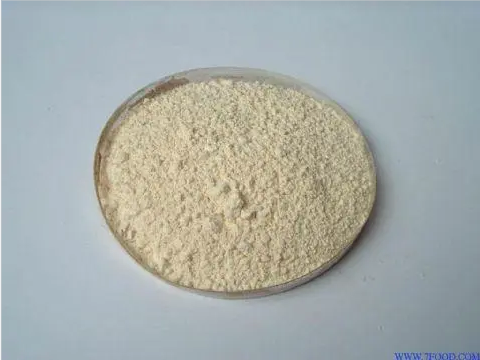
Ursolic acid is a naturally occurring pentacyclic triterpenoid widely distributed in various plant species, most notably found in high concentrations within the peels of apples, rosemary, holy basil, and oregano. Its chemical identity is defined by the molecular formula C30H48O3 and the CAS registry number 77-52-1. This white to off-white crystalline powder exhibits excellent stability under standard storage conditions but is sensitive to strong alkaline environments.
Historically utilized in traditional medicine systems for its anti-inflammatory and antimicrobial properties, ursolic acid has recently gained significant attention in modern scientific research and the commercial industry due to its diverse biological activities. In the pharmaceutical sector, it is investigated for its potential as an anticancer agent, demonstrating the ability to induce apoptosis in various tumor cell lines while sparing normal cells. Furthermore, its efficacy in treating metabolic disorders, such as diabetes and obesity, has been highlighted in numerous preclinical studies, where it improves insulin sensitivity and promotes glucose uptake.
In the cosmetic and personal care industries, ursolic acid serves as a potent antioxidant and skin-conditioning agent. It helps protect the skin from oxidative stress caused by UV radiation and environmental pollutants, thereby reducing signs of aging and improving skin elasticity. Additionally, its anti-inflammatory nature makes it beneficial for soothing irritated skin and managing conditions like acne or eczema. The supplement market also embraces ursolic acid as a natural alternative for enhancing muscle growth and reducing body fat, appealing to athletes and fitness enthusiasts seeking ergogenic aids without synthetic side effects. Despite its promising profile, further clinical trials are necessary to fully establish optimal dosages and long-term safety in humans. Overall, ursolic acid represents a versatile bioactive compound bridging the gap between traditional herbal remedies and contemporary therapeutic applications.






 (All Rights Reserved)