Product Description
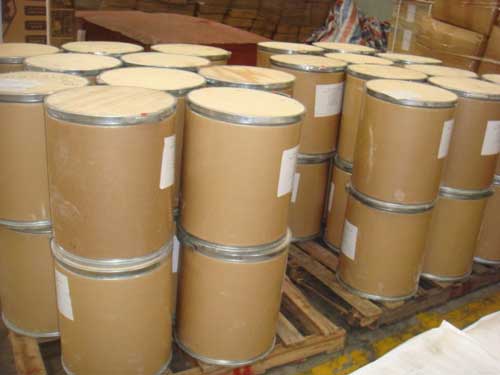
Uracil 66-22-8
AI Product Description
*The following content is generated by AI and is for reference only.
Uracil, chemically designated as 2,4-dioxopyrimidine, is a fundamental heterocyclic compound and one of the four primary nucleobases found in ribonucleic acid (RNA). With the molecular formula C4H4N2O2 and a CAS registry number of 66-22-8, this white crystalline solid plays an indispensable role in biological systems. Unlike thymine, which is specific to DNA, uracil pairs with adenine during RNA transcription and translation processes, serving as a critical component for genetic coding and protein synthesis.
In industrial and laboratory settings, uracil serves as a vital starting material for the synthesis of various pharmaceutical agents. It is extensively utilized in the production of antiviral drugs, such as 5-fluorouracil, a widely used chemotherapy medication for treating cancers including colorectal, breast, and stomach malignancies. Furthermore, it acts as a key precursor for synthesizing pyrimidine-based antibiotics and other therapeutic compounds targeting metabolic disorders. Beyond medicine, uracil finds applications in biochemical research, where it is employed to study RNA structure, stability, and enzymatic reactions. Scientists often use it to investigate mutagenesis mechanisms or to develop novel nucleotide analogs for gene therapy research.
The compound is generally stable under standard conditions but can degrade under extreme pH or high temperatures. Its solubility properties allow it to dissolve readily in hot water and dilute acids, making it convenient for formulation in aqueous solutions. As a naturally occurring substance, uracil is non-toxic at low concentrations, though safety protocols are always recommended when handling chemical reagents in bulk. Its unique ability to participate in hydrogen bonding makes it essential for maintaining the structural integrity of RNA helices. Whether in academic laboratories exploring genetic mechanisms or in pharmaceutical manufacturing lines producing life-saving medications, uracil remains a cornerstone molecule in modern chemistry and biology. Its versatility ensures its continued relevance in advancing medical treatments and understanding the molecular basis of life.





 (All Rights Reserved)
![(3R)-3-Amino-1-[3-(Trifluoromethyl)-5,6,7,8-Tetrahydro-1,2,4-Triazolo[4,3-A]Pyrazin-7-yl]-4-(2,4,5-T](https://eimg.pharmasources.com/image/product/20250402/e43f5153f3b91f760fdee40247460568jpg)
![3-(Trifluoromethyl)-5,6,7,8-Tetrahydro-[1,2,4]Triazolo[4,3-a]Pyrazine HCL](https://eimg.pharmasources.com/image/product/20250402/8ae4dd18f1fe219e41ad63ce9b3306d7jpg)

![4-[[[[6-[(Diethylamino)methyl]-2-naphthalenylmethoxy]carbonyllaminolbenzoic acid](https://eimg.pharmasources.com/image/20241206/xJCFsdgfMrHzqjtgeOixhGQHgVbKi7kAcoEqemzE.jpg)
