INCI Name:Tripeptide-1 Copper
CAS:89030-95-5
molecular formula:C14H21CuN6O4
molecular weight:400.91
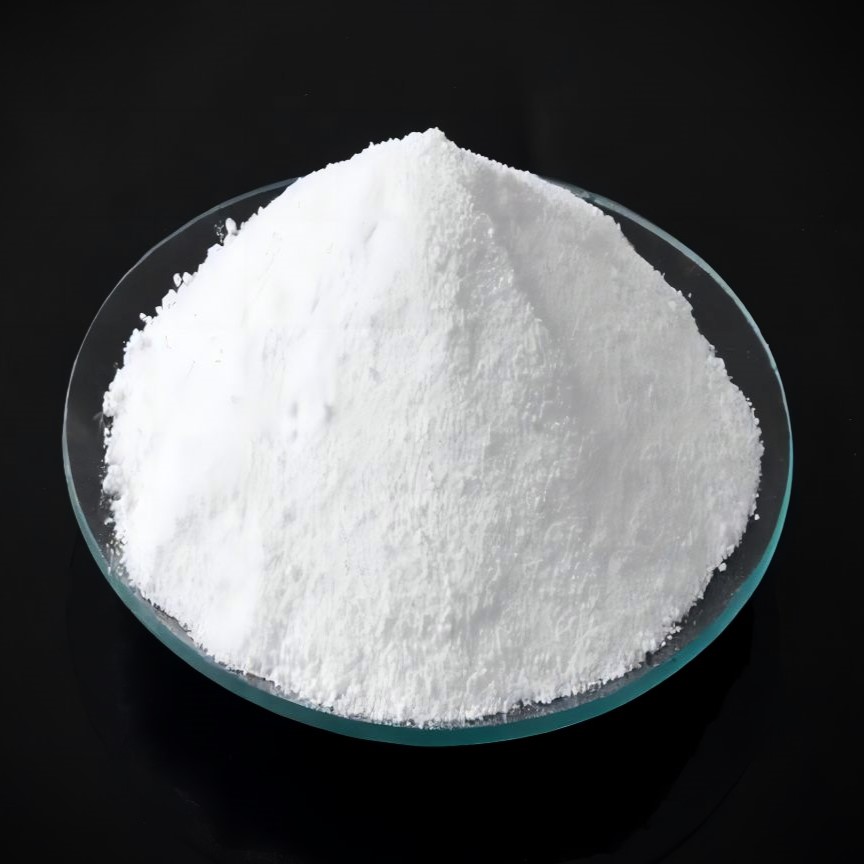
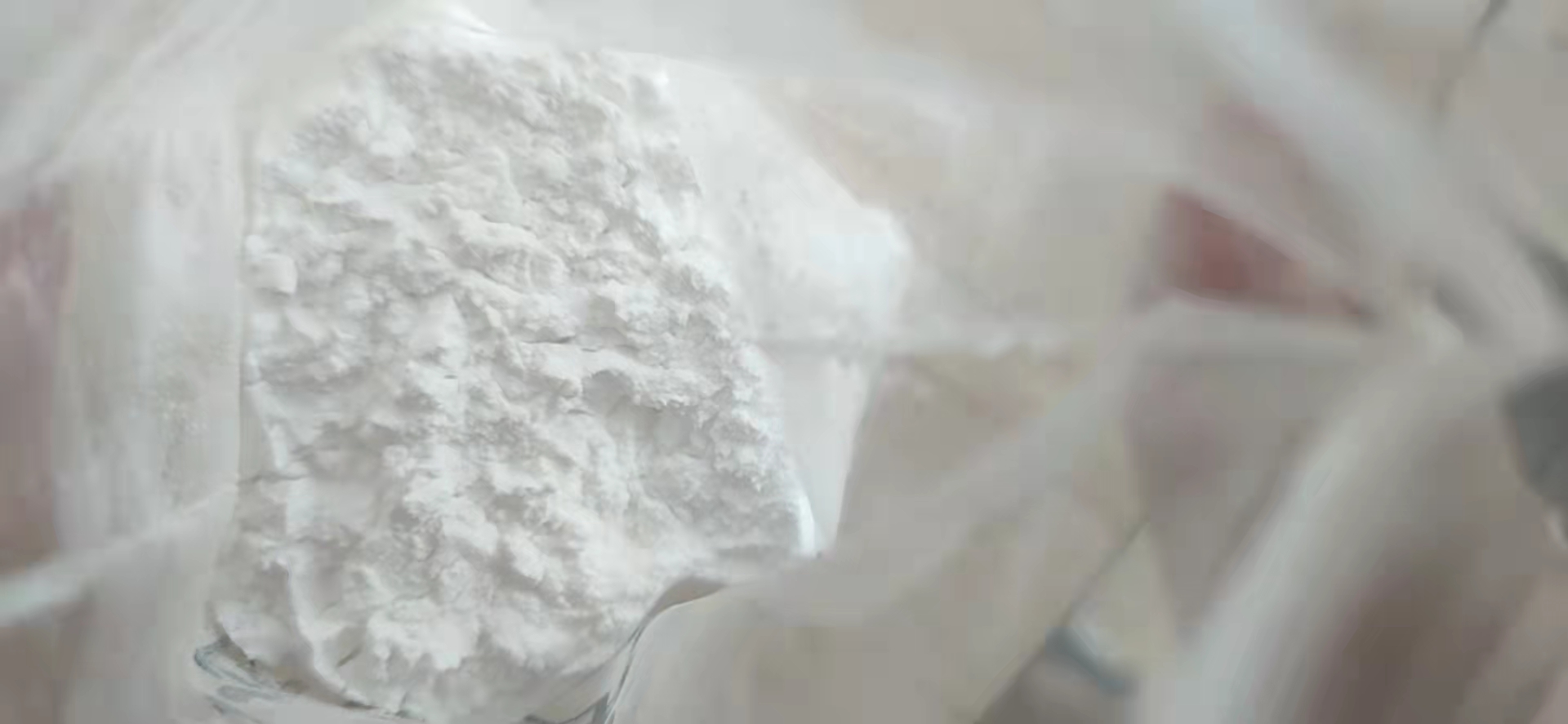
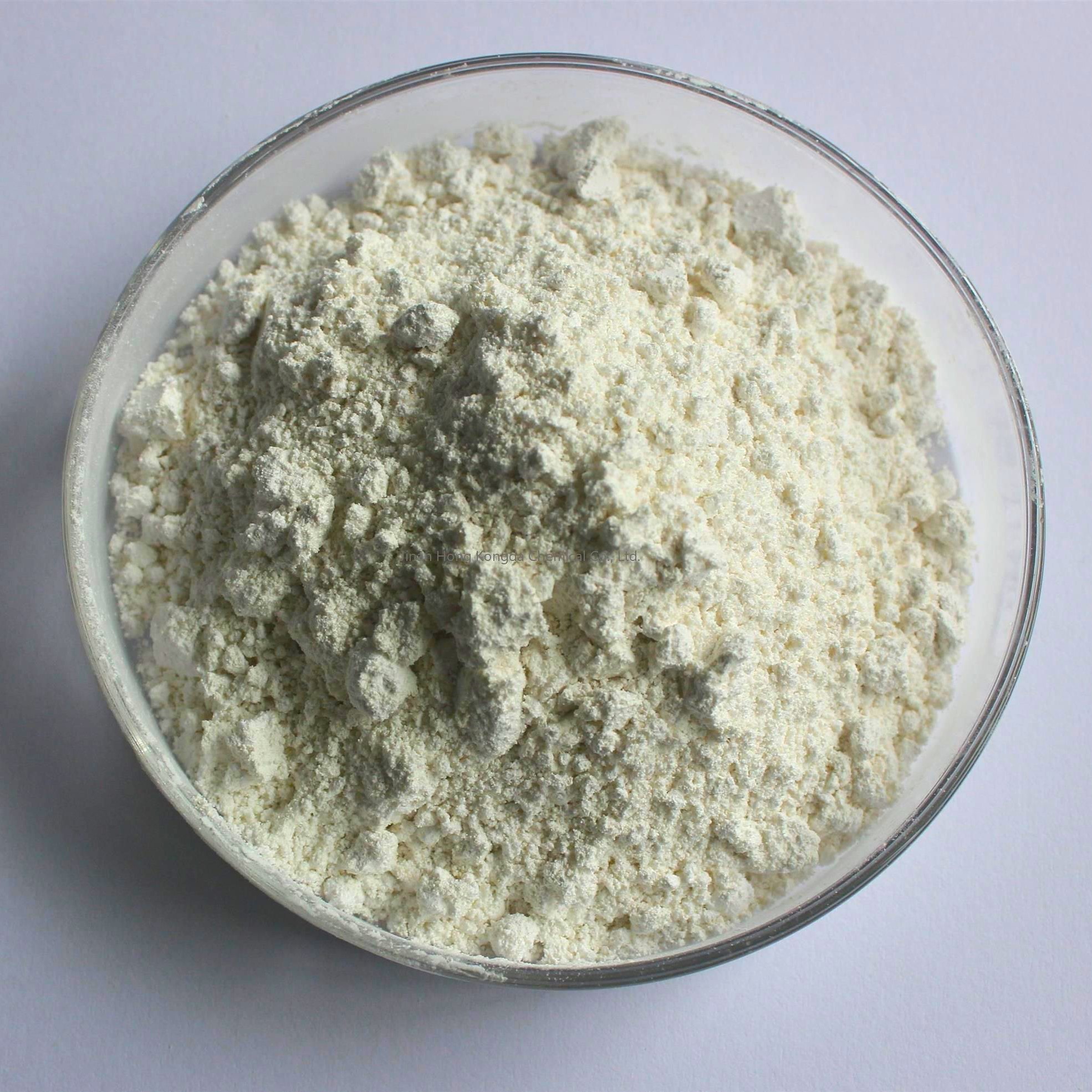
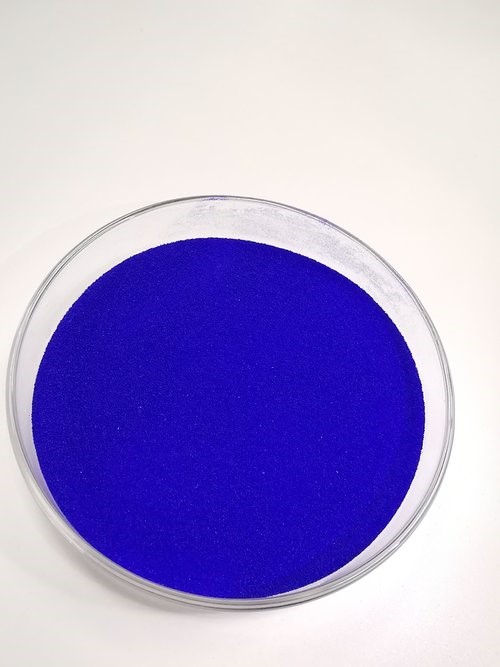
Properties: blue crystalline powder, odorless
Mechanism:
Copper tripeptide-1 promotes the expression of growth factors such as bFGF, stimulates the synthesis of collagen and glycosaminoglycans (GAGs), transports Cu2+ and regulates related proteins (MMPs, ferritin, etc.), reduces inflammation and rapidly repairs tissue damage.
*The following content is generated by AI and is for reference only.
Tripeptide-1 Copper, widely recognized in the cosmetics and dermatological industries as GHK-Cu, is a bioactive complex formed by the copper ion coordinated with the tripeptide Glycyl-L-Histidyl-L-Lysine. This molecule holds a pivotal position in anti-aging formulations due to its unique ability to modulate biological processes at the cellular level. Its Chemical Abstracts Service (CAS) number is 65839-27-0, and it typically carries the molecular formula C14H22CuN6O4S or variations depending on specific salt forms, though the core structure remains consistent across high-purity applications.
The primary function of Tripeptide-1 Copper revolves around its potent regenerative properties. It acts as a signaling peptide that mimics natural wound-healing mechanisms, effectively stimulating the synthesis of essential extracellular matrix components such as collagen, elastin, and proteoglycans. By enhancing fibroblast activity, it helps restore skin firmness, reduce the appearance of fine lines, and improve overall skin texture. Furthermore, this compound exhibits strong antioxidant capabilities, neutralizing free radicals generated by UV exposure and environmental stressors, thereby preventing oxidative damage that accelerates aging.
Beyond aesthetic benefits, GHK-Cu possesses notable anti-inflammatory characteristics, making it suitable for soothing irritated skin and promoting tissue repair after minor trauma or procedures. It also aids in angiogenesis, supporting the formation of new blood vessels which improves nutrient delivery to skin cells. In professional skincare settings, it is frequently incorporated into serums, creams, and ampoules designed for mature skin or post-procedure recovery. The synergy between the copper ion and the peptide sequence ensures optimal bioavailability and stability, allowing the product to penetrate the epidermis efficiently. As research continues, Tripeptide-1 Copper remains a cornerstone ingredient in evidence-based cosmetic science, offering a non-invasive solution for maintaining youthful, resilient, and healthy skin through enhanced cellular communication and structural reinforcement.





 (All Rights Reserved)





![Fmoc-Lys[Octa(OtBu)-Glu(AEEA-AEEA)-OtBu]-OH](https://eimg.pharmasources.com/image/20250613/FeHjUXzsLKi3QphwhrjEEPsJfBcpas7WsBxnCTKx.jpg)