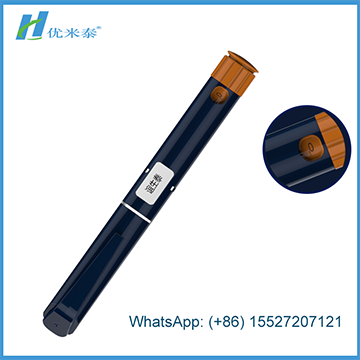
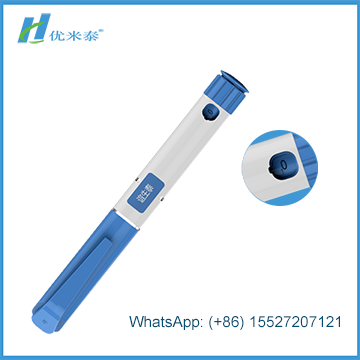
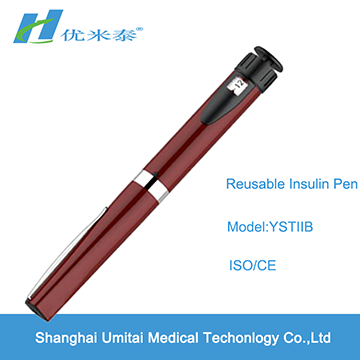
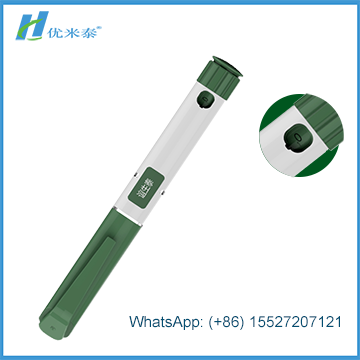
1. Hidden needle injection, reduce the fear of injection
2, the whole injection process, spring automatic injection, no need to manually press
3, the injection method adopts button trigger
4, the injection is over, the needle will automatically retract, to avoid the risk of needle prick injury or infection
5, optimized design principle, simple injection process, the price cost realized
*The following content is generated by AI and is for reference only.
This medical device is a pre-filled, single-use delivery system designed to administer precise doses of medication automatically and safely. Primarily utilized for the treatment of acute allergic reactions, anaphylaxis, and certain chronic conditions like severe asthma or blood clotting disorders, it ensures rapid drug absorption through intramuscular injection into the thigh muscle. The mechanism features a spring-loaded needle that extends upon contact with the skin, delivering the full dose within seconds without requiring manual force from the user. This design significantly reduces the risk of dosing errors associated with traditional syringes and minimizes the fear of needles often experienced by patients and caregivers.
Key safety protocols must be strictly followed during operation. Users should never point the device toward themselves or others before activation. It is critical to inject only into the outer mid-thigh, avoiding areas with loose skin or where the needle might strike bone. If the patient is unconscious, they should be placed in a recovery position prior to administration. After use, the device remains active until the dose is fully delivered; however, users must not attempt to re-cap the needle or reuse the unit under any circumstances. The expired date printed on the label indicates when the medication may lose potency, necessitating immediate replacement if passed.
Storage requirements are equally vital to maintain efficacy. The device should be kept at room temperature, protected from extreme heat, cold, and direct sunlight. Freezing can permanently damage the internal mechanism and degrade the solution. In emergency scenarios, even if the device appears damaged or the liquid looks cloudy, it should still be used if no alternative is available, as partial dosing is preferable to none. Regular training sessions for patients and their support networks are essential to ensure confidence and competence during high-stress situations. Proper disposal involves placing the used unit in a designated sharps container to prevent accidental needle sticks and environmental contamination.






 (All Rights Reserved)




![Fmoc-Lys[Octa(OtBu)-Glu(AEEA-AEEA)-OtBu]-OH](https://eimg.pharmasources.com/image/20250613/FeHjUXzsLKi3QphwhrjEEPsJfBcpas7WsBxnCTKx.jpg)