Product Description
TRIMEBUTINE MALEATE
【English Name】 Trimebutine Maleate
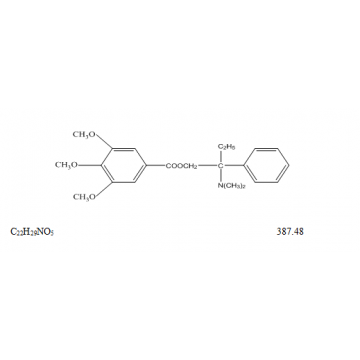
【Molecular Formula】 C26H33NO9
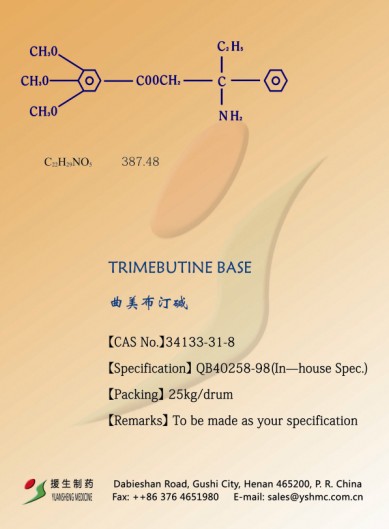
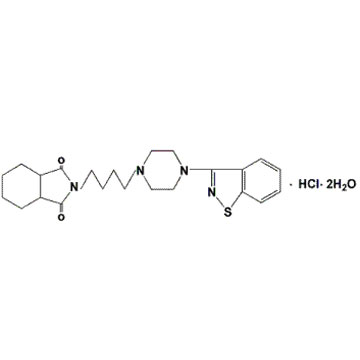
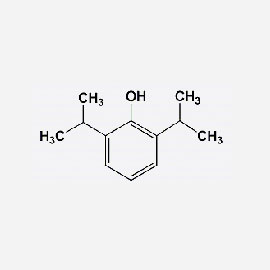
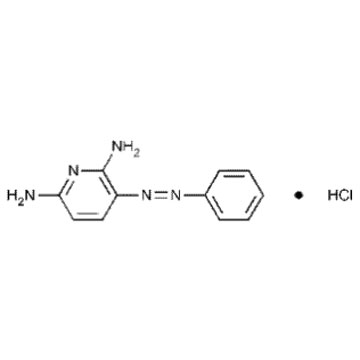
【Chem. Strctrl. Formula】
AI Product Description
*The following content is generated by AI and is for reference only.
Trimebutine maleate is a synthetic antispasmodic agent widely utilized in the management of gastrointestinal disorders characterized by motility disturbances and visceral hypersensitivity. Chemically, it acts as a non-opioid analgesic and smooth muscle relaxant, functioning primarily through modulation of opioid receptors and inhibition of calcium channels within the gut wall. Its molecular formula is C20H29NO4·C4H4O4, reflecting its composition as a salt formed between trimebutine base and maleic acid. The compound is uniquely identified by the CAS number 13650-87-6 for the free base and 14863-08-6 for the maleate salt form, ensuring precise identification in pharmaceutical databases and regulatory filings globally.
The primary therapeutic application of trimebutine maleate centers on the treatment of Irritable Bowel Syndrome (IBS), where it effectively alleviates symptoms such as abdominal pain, bloating, diarrhea, and constipation. Unlike traditional anticholinergics that may cause significant side effects like dry mouth or blurred vision, trimebutine offers a more favorable safety profile while restoring normal bowel rhythm. It exerts a dual effect on intestinal motility: it reduces hypermotility during spasms and stimulates hypomotility to relieve obstruction-like symptoms, thereby acting as a true prokinetic and antispasmodic agent simultaneously. This unique mechanism makes it particularly valuable for patients with functional gastrointestinal disorders who require symptom relief without severe adverse reactions.
Beyond IBS, this medication is sometimes prescribed for post-operative ileus, chronic dyspepsia, and other conditions involving functional bowel dysfunction. Clinical studies have demonstrated its efficacy in reducing pain intensity and improving overall quality of life for sufferers of chronic abdominal discomfort. Available in various oral dosage forms including tablets and capsules, it is typically administered three times daily depending on the severity of symptoms and patient response. While generally well-tolerated, mild side effects such as drowsiness, nausea, or headache may occasionally occur, though these are usually transient. As a versatile tool in gastroenterology, trimebutine maleate remains a cornerstone therapy for managing complex digestive motility issues across diverse patient populations worldwide.






 (All Rights Reserved)