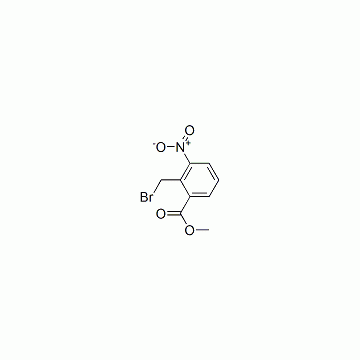
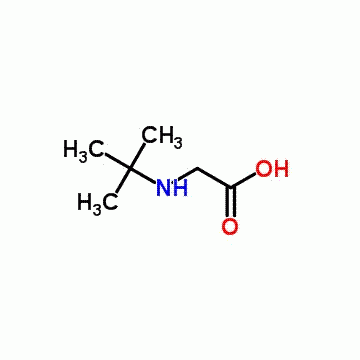
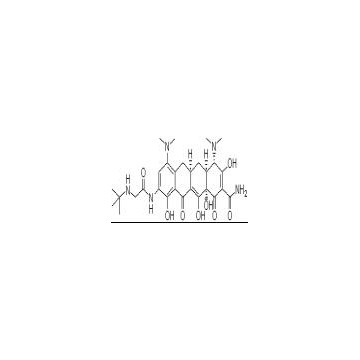
ISO chemical factory,stable supplying, competitive price
*The following content is generated by AI and is for reference only.
Trelagliptin INTS-2 is a potent and selective dipeptidyl peptidase-4 (DPP-4) inhibitor developed for the management of type 2 diabetes mellitus. As a novel oral antidiabetic agent, it functions by inhibiting the DPP-4 enzyme, which is responsible for the rapid degradation of incretin hormones such as glucagon-like peptide-1 (GLP-1) and glucose-dependent insulinotropic polypeptide (GIP). By blocking this enzymatic activity, Trelagliptin prolongs the half-life of these active incretins, thereby enhancing glucose-dependent insulin secretion from pancreatic beta cells while simultaneously suppressing inappropriate glucagon release from alpha cells. This dual mechanism effectively lowers fasting and postprandial blood glucose levels without causing hypoglycemia when used as monotherapy.
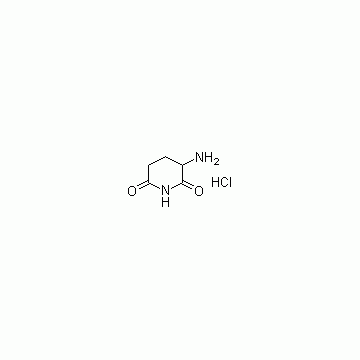
The chemical identity of Trelagliptin INTS-2 corresponds to the molecular formula C23H30N6O5. Its specific CAS registry number is 1287859-44-8. Structurally, it belongs to the class of pyrazine derivatives designed with high affinity for the DPP-4 binding site, ensuring minimal off-target effects on related proteases like DPP-8 or DPP-9, which contributes to its favorable safety profile. A distinguishing pharmacological feature of Trelagliptin is its exceptionally long half-life compared to other agents in its class. This unique property allows for once-weekly dosing regimens, significantly improving patient adherence and convenience compared to daily medication schedules required by competitors such as sitagliptin or saxagliptin.
Clinically, Trelagliptin has demonstrated efficacy in reducing hemoglobin A1c levels in patients with inadequate glycemic control despite diet and exercise. It is often utilized either as a standalone therapy or in combination with other antidiabetic medications, including metformin or sulfonylureas, to achieve optimal glycemic targets. Beyond glucose regulation, studies suggest potential benefits regarding weight neutrality and cardiovascular safety, although extensive long-term outcome trials are ongoing to fully characterize its impact on major adverse cardiac events. The development of INTS-2 represents a significant advancement in diabetes care, offering a robust therapeutic option that balances efficacy with a simplified dosing schedule, ultimately aiming to improve quality of life for millions of individuals managing chronic hyperglycemia globally.
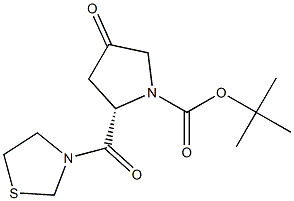



 (All Rights Reserved)

![4-[[[[6-[(Diethylamino)methyl]-2-naphthalenylmethoxy]carbonyllaminolbenzoic acid](https://eimg.pharmasources.com/image/20241206/xJCFsdgfMrHzqjtgeOixhGQHgVbKi7kAcoEqemzE.jpg)