Product Description
please call me , to know more
AI Product Description
*The following content is generated by AI and is for reference only.
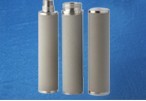
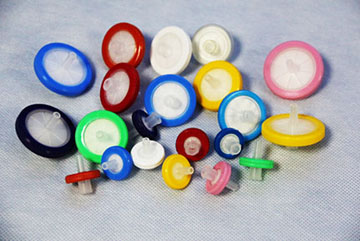
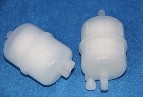
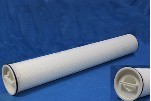
High-flow cartridge filters are essential components in modern fluid processing systems, designed to maximize efficiency while maintaining superior filtration performance. These devices are widely utilized across diverse industries, including pharmaceutical manufacturing, food and beverage production, water treatment facilities, and chemical processing plants. Their primary function is to remove particulate contaminants, such as dust, rust, sediment, and microorganisms, from liquids or gases before they reach sensitive downstream equipment or final products.
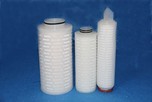
The defining characteristic of high-flow cartridges is their unique pleated media structure and large surface area. This engineering allows for a significantly higher flow rate compared to standard filters without compromising particle retention capabilities. Consequently, these units reduce the frequency of filter changes, lower operational costs, and minimize downtime associated with maintenance. They are commonly employed in applications requiring rapid throughput, such as pre-filtration stages in reverse osmosis systems, bulk liquid transfer lines, or high-volume irrigation networks.
When selecting and operating these filters, several critical precautions must be observed to ensure safety and longevity. First, compatibility between the filter material (such as polypropylene, PTFE, or stainless steel) and the specific process fluid is paramount to prevent chemical degradation or leaching. Second, pressure ratings must never be exceeded; exceeding the maximum differential pressure can cause media collapse or housing failure, leading to potential system contamination. Third, proper installation procedures are vital. Filters should be installed with correct orientation, ensuring all seals are intact and gaskets are lubricated appropriately to prevent bypass leaks. Regular monitoring of pressure differentials is also recommended; a sudden spike indicates clogging, while a drop may suggest media breach. Finally, replacement schedules should follow manufacturer guidelines based on usage hours and fluid quality rather than arbitrary time intervals. By adhering to these practices, operators can maintain optimal system hygiene, extend equipment life, and ensure consistent product quality in demanding industrial environments.





 (All Rights Reserved)