Product Description
please call me , to know more
AI Product Description
*The following content is generated by AI and is for reference only.
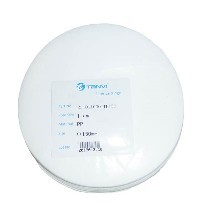
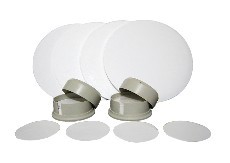
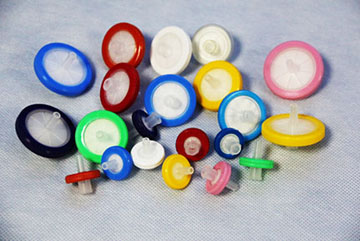
Disposable syringe filters are essential laboratory tools designed for the rapid clarification, sterilization, and particulate removal of liquid samples prior to analysis. These devices typically consist of a filter membrane housed within a Luer-lock or Luer-slip fitting, allowing them to be attached directly to standard syringes. By forcing a sample through a pore-sized membrane under manual pressure, users effectively eliminate suspended particles, bacteria, or debris that could clog sensitive analytical instruments such as High-Performance Liquid Chromatography (HPLC) systems, Gas Chromatography (GC) injectors, or mass spectrometers.
The primary utility of these filters lies in ensuring data integrity and protecting expensive instrumentation from damage caused by particulate contamination. They are widely employed across pharmaceutical quality control, environmental testing, food and beverage analysis, and chemical research. The choice of membrane material is critical and depends on the chemical compatibility with the sample solvent. Common materials include Nylon for general aqueous and organic use, PTFE for aggressive solvents and high temperatures, PVDF for low protein binding applications, and PES for high flow rates with biological fluids. Pore sizes generally range from 0.1 microns for sterilization to 5.0 microns for coarse particle removal.
Several precautions must be observed during usage to maintain safety and accuracy. First, always verify the chemical compatibility of the membrane housing and the filter medium with the specific solvent being filtered; some plastics may degrade or leach contaminants when exposed to strong acids, bases, or organic solvents. Second, pre-wetting the filter with the same solvent used for the sample can significantly improve flow rates and prevent air locking. Third, avoid applying excessive force when pushing the plunger, as this may rupture the membrane or cause leakage. Finally, since these units are single-use only, they must never be reused or back-flushed, which could compromise sterility or introduce cross-contamination between samples. Proper disposal according to local biohazard and chemical waste regulations is mandatory after use.





 (All Rights Reserved)