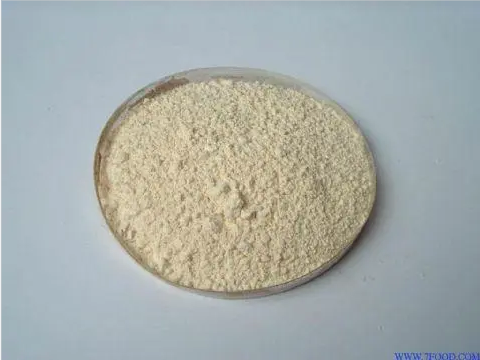
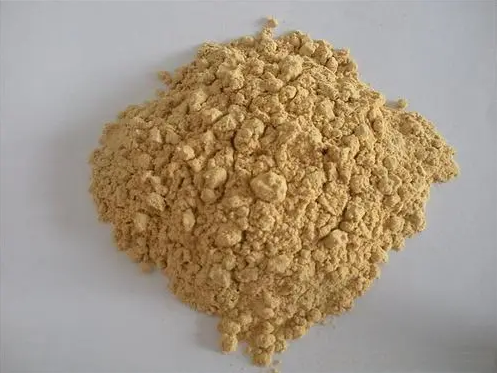
Product Description
please call me ,to know more
AI Product Description
*The following content is generated by AI and is for reference only.
Toosendanin, also known as 13-deacetyl-14-hydroxytoosendanin, is a bioactive triterpenoid compound primarily isolated from the seeds and bark of *Melia azedarach* L. (Chinaberry tree) and *Toona sinensis* A. Juss. This natural product has attracted significant attention in pharmacological research due to its diverse biological activities. The molecular formula of Toosendanin is C29H36O8, with a molecular weight of approximately 500.59 g/mol. Its unique chemical structure features a complex pentacyclic framework containing multiple oxygenated functional groups, which contributes to its potent biological effects.
The CAS number for Toosendanin is 57249-89-3. Historically used in traditional Chinese medicine, it has been employed for treating parasitic infections and inflammatory conditions. Modern scientific investigations have revealed that Toosendanin possesses remarkable antitumor properties. It exhibits cytotoxicity against various cancer cell lines, including leukemia, hepatocellular carcinoma, and breast cancer cells, often by inducing apoptosis and arresting the cell cycle. Furthermore, research indicates its potential as an antiviral agent, showing efficacy against certain viruses such as hepatitis B virus and HIV-1 protease inhibition.
Beyond oncology and virology, Toosendanin demonstrates anti-inflammatory and immunomodulatory effects, making it a candidate for treating autoimmune disorders. It also shows promise in neuroprotection studies, potentially mitigating neuronal damage associated with ischemic stroke. However, despite its therapeutic potential, clinical application faces challenges regarding toxicity and bioavailability. Current research focuses on developing derivative compounds and novel delivery systems to enhance safety and efficacy. As a natural lead compound, Toosendanin continues to serve as a valuable template for drug discovery, particularly in the development of novel anticancer and antiviral therapeutics. Ongoing studies aim to fully elucidate its mechanism of action and optimize its pharmacological profile for future clinical translation.






 (All Rights Reserved)