Product Description
Product specification : 1%-98%
Detection method :HPLC
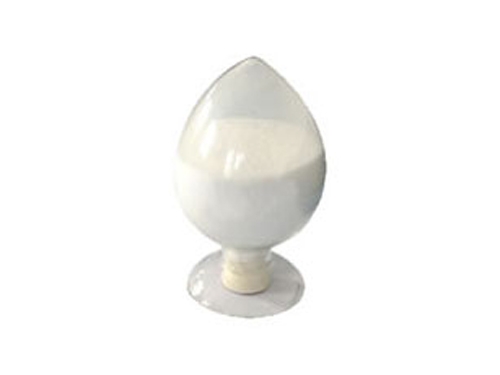
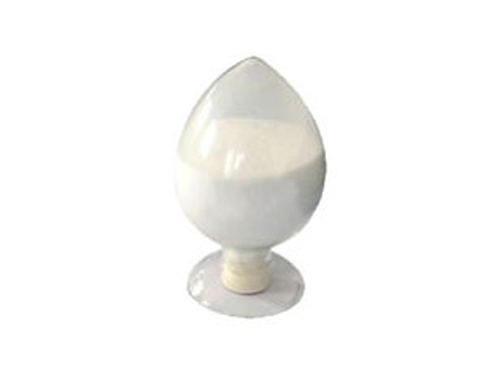
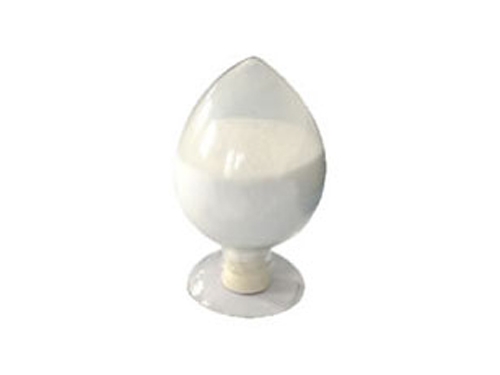
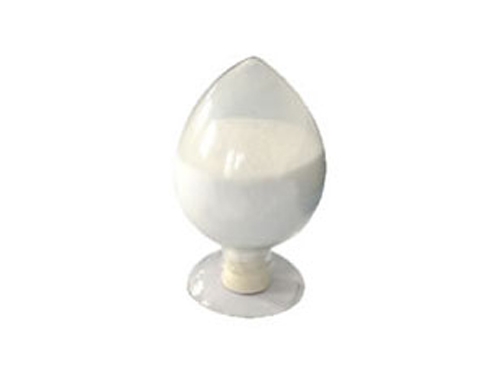
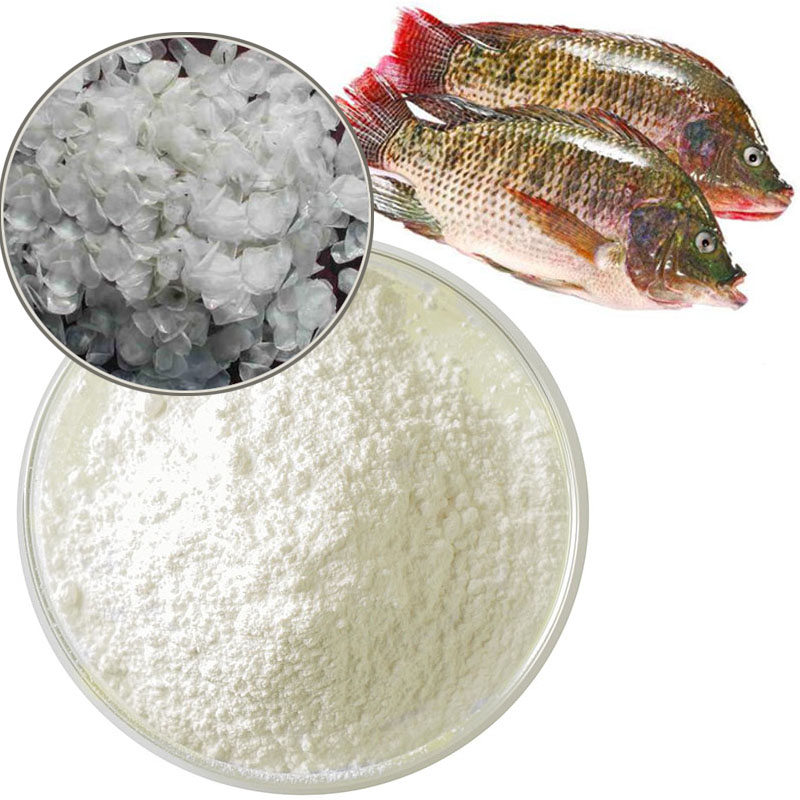
Product color: white
fineness :80-100 mesh Drying method: spray drying
Shelf life: two years
Packaging: Zip-lock bag/aluminum foil bag/carton/cardboard barrel Manufacturer: Changsha Staherb Natural Ingredients Co., LTD.
Storage conditions: cool and dry place
AI Product Description
*The following content is generated by AI and is for reference only.
Tilapia skin collagen is a high-quality bioactive protein derived from the scales and skins of Nile tilapia (Oreochromis niloticus), a widely farmed freshwater fish. Unlike mammalian collagen, this marine source offers distinct advantages regarding safety, as it eliminates risks associated with Bovine Spongiform Encephalopathy (BSE) or other zoonotic diseases. The primary chemical composition consists of repeating Gly-X-Y sequences rich in glycine, proline, and hydroxyproline, forming a triple-helix structure essential for biological function. While specific molecular weights vary based on extraction methods, the material typically ranges between 300 kDa for native collagen to lower fragments for hydrolysates. It does not possess a single universal CAS number; rather, commercial variants are identified by specific lot numbers or manufacturer codes, though generic marine collagen peptides often fall under CAS 91085-26-8 or similar identifiers depending on processing.
This versatile biopolymer finds extensive applications across multiple industries due to its excellent biocompatibility, low immunogenicity, and superior solubility. In the pharmaceutical and medical sectors, it serves as a critical component in wound dressings, tissue engineering scaffolds, and drug delivery systems, promoting faster cell regeneration and reducing scarring. The cosmetic industry heavily utilizes tilapia skin collagen for anti-aging formulations, including creams, serums, and masks, where it enhances skin elasticity, hydration, and firmness by stimulating endogenous collagen synthesis. Furthermore, in the food and nutritional supplement markets, it is processed into hydrolysates to support joint health, bone density, and muscle recovery, offering a clean-label alternative to bovine sources. Its sustainable production aligns with global circular economy goals, utilizing aquaculture by-products that would otherwise be discarded. As research advances, novel applications in 3D bioprinting and regenerative medicine continue to emerge, highlighting its potential as a transformative biomaterial. With a favorable safety profile and diverse functional properties, tilapia skin collagen represents a premium, eco-friendly solution for modern health and beauty demands, bridging the gap between traditional natural resources and advanced biotechnology.





 (All Rights Reserved)