Product Description
Product specification : 1%-98%
Detection method :HPLC
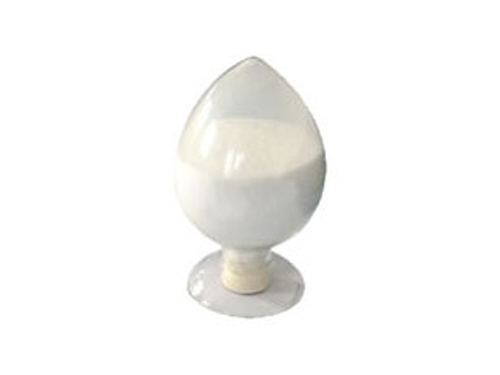
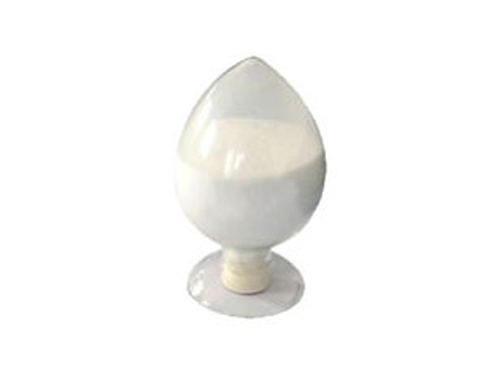
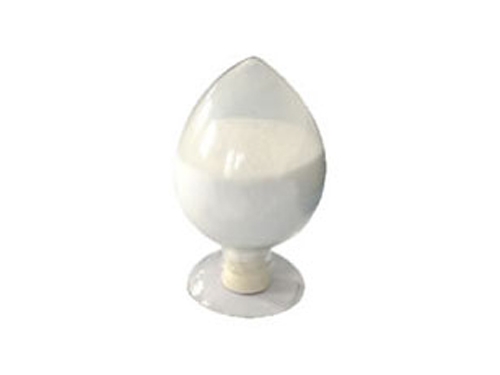
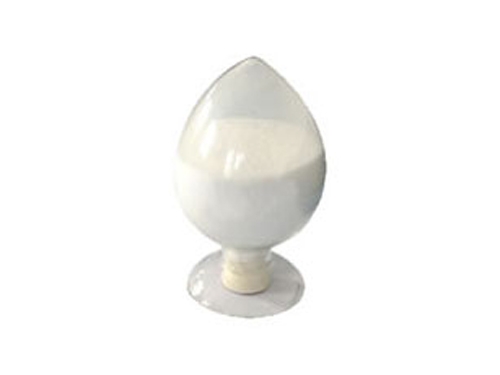
Product color: white
fineness :80-100 mesh Drying method: spray drying
Shelf life: two years
Packaging: Zip-lock bag/aluminum foil bag/carton/cardboard barrel Manufacturer: Changsha Staherb Natural Ingredients Co., LTD.
Storage conditions: cool and dry place
AI Product Description
*The following content is generated by AI and is for reference only.
Tilapia protein is not a single chemical compound with a defined molecular formula or CAS number, as it refers to a complex mixture of various proteins extracted from the muscle tissue of tilapia fish. Consequently, no specific CAS registry exists for "tilapia protein" as a bulk ingredient; instead, individual protein fractions like myosin or actin within the fish possess their own unique identifiers. This high-quality protein source is celebrated globally for its excellent amino acid profile, containing all nine essential amino acids necessary for human health, making it a complete protein comparable to egg or dairy sources. The primary application of tilapia protein lies in the food and beverage industry, where it serves as a versatile ingredient for producing surimi, fish balls, nuggets, and functional meat analogues due to its mild flavor, white flesh color, and superior gelation properties. Furthermore, the extraction of bioactive peptides from tilapia byproducts has gained traction in nutraceuticals and cosmetics, offering potential benefits such as antioxidant activity, antihypertensive effects, and skin hydration capabilities. In aquaculture feed formulations, tilapia protein hydrolysates are utilized to enhance growth rates and immune responses in juvenile fish, promoting sustainable farming practices by utilizing processing waste efficiently. The versatility of this resource extends to pharmaceutical research, where its hypoallergenic nature makes it suitable for developing specialized dietary supplements for individuals with specific protein sensitivities. As the global demand for sustainable, plant-based, and alternative animal proteins grows, tilapia protein stands out as an environmentally friendly option with a lower carbon footprint compared to terrestrial livestock. Its ability to be processed into various forms, from powders to isolates, ensures broad applicability across diverse sectors ranging from sports nutrition to medical diets. Ultimately, tilapia protein represents a valuable biological resource that bridges the gap between traditional seafood consumption and modern functional food innovation, supporting both human nutrition and economic sustainability in the aquaculture sector.






 (All Rights Reserved)