Category:
Plant Extracts
CAS NO:
89-83-8
Standard:
USP,

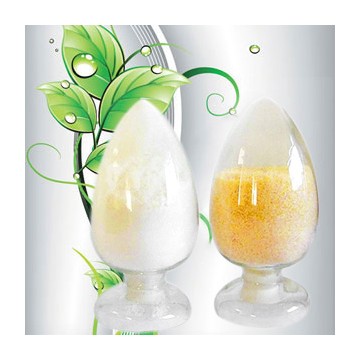

| Name | Thymol | |
| Synonyms | 2-Isopropyl-5-methyl phenol; 5-Methyl-2-(1-methylethyl)phenol | |
| Molecular Structure | ||
| Molecular Formula | C10H14O | |
| Molecular Weight | 150.22 | |
| CAS Registry Number | 89-83-8 | |
| EINECS | 201-944-8 | |
| FEMA | 3066 | |
Applications:
1. To be antibacterial, and stop itching
2. To dissolve greasiness
3. To alleviate stress and improve neurogenic disease, anemia, hypotension and pollinosis,etc.
Advantages:
1. Thyme vulgaris adds a distinctive aromatic flavoring to sauces, stews, stuffings, meats, poultry – almost anything from soup to salad.
2. In Germany, concoctions of thymus vulgaris are frequently prescribed for coughs, including those resulting from whooping cough, bronchitis and emphysema. Thymus vulgaris extract was included in a popular cough syrup, Pertussin, that is no longer on the market. Thyme is used in herbal teas prepared for colds and flus. In addition, Thymus vulgaris has antifungal properties and can be used against athlete's foot



 (All Rights Reserved) (All Rights Reserved)