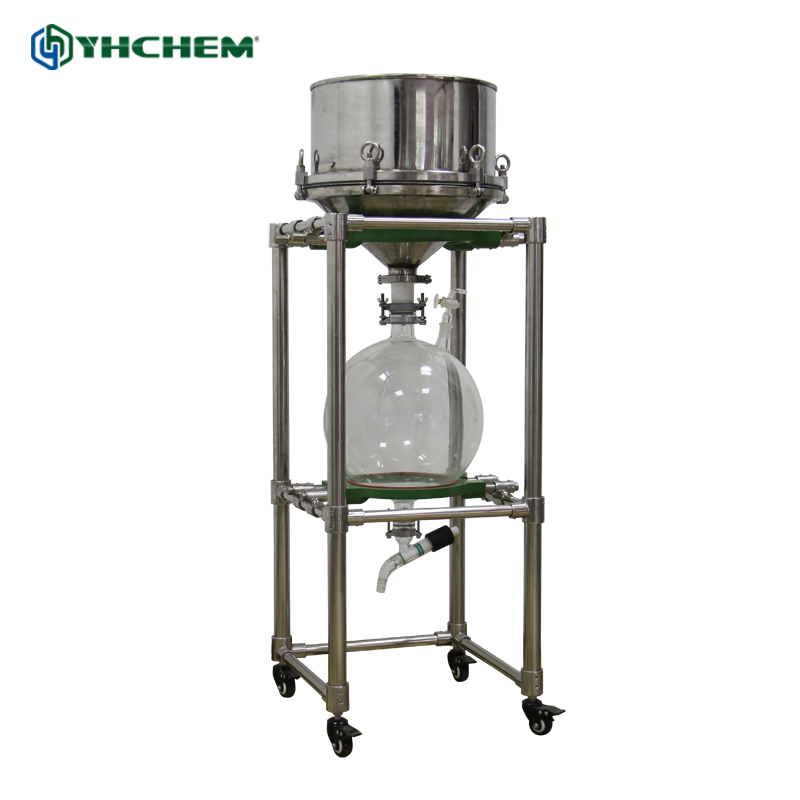
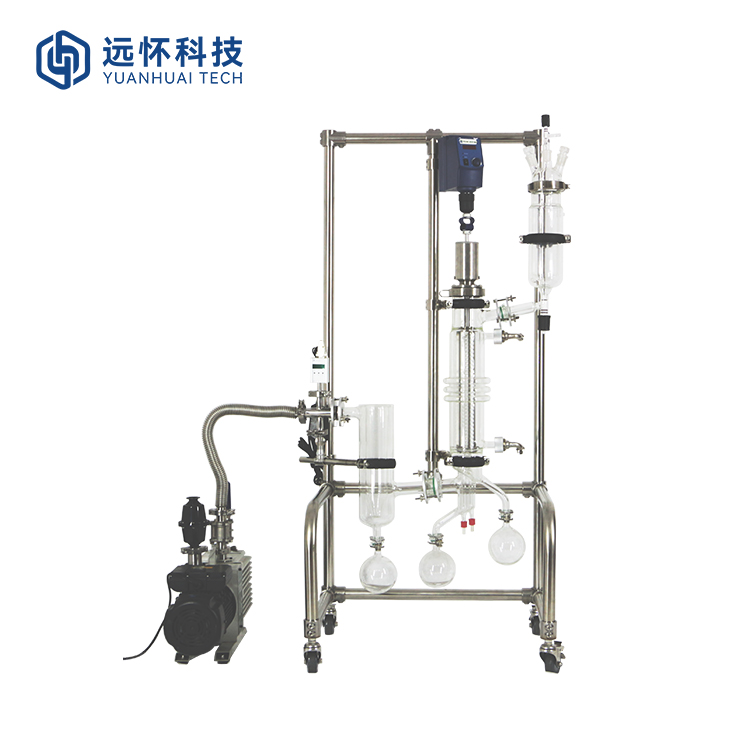
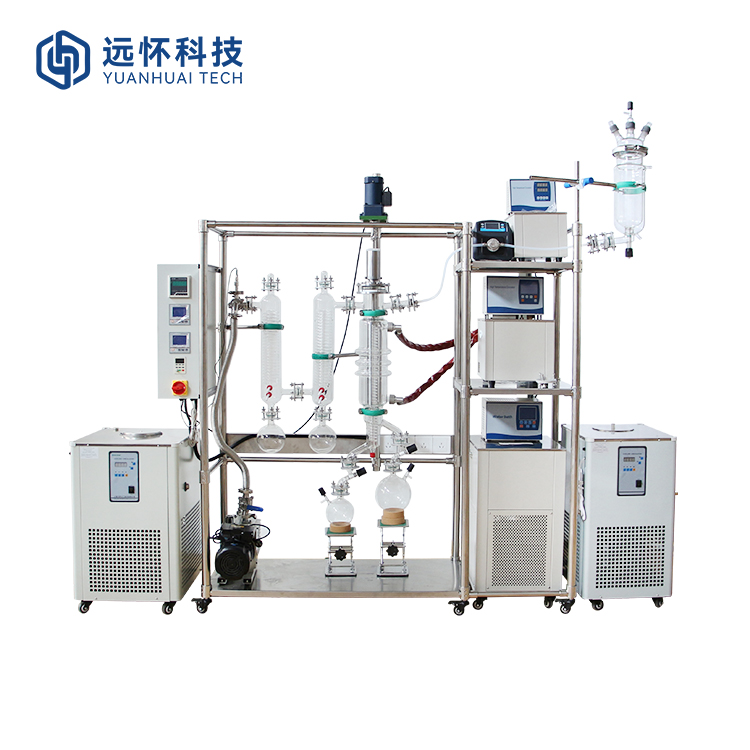
Molecular Distillation is applied for creating a high value clear CBD distillate from crude hemp oil that can be infused into a variety of edible products or fine oils to be used in vape cartridges or other products
*The following content is generated by AI and is for reference only.
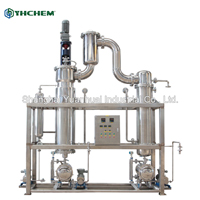
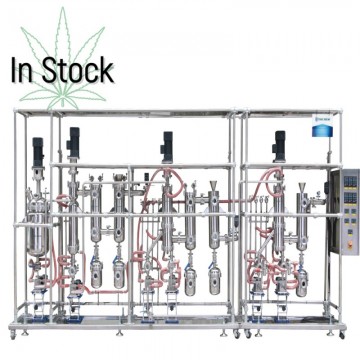
The device described is a high-efficiency, three-stage wiped film short-path distillation system, widely utilized in industries requiring the purification of heat-sensitive and viscous materials. This equipment operates on the principle of thin-film evaporation, where a rotating wiper spreads the feed liquid into an ultra-thin layer against a heated surface. This configuration minimizes residence time and thermal degradation, making it ideal for processing delicate compounds such as essential oils, vitamins, pharmaceutical intermediates, and specialty polymers. The three-stage design significantly enhances separation efficiency by allowing for multi-pass fractionation within a single unit, ensuring high purity levels and excellent recovery rates of valuable components.
With a typical throughput capacity ranging between 5 to 12 liters per hour, this system offers versatile scalability for both pilot-scale research and small-to-medium production runs. Its compact footprint and modular construction facilitate easy integration into existing manufacturing lines or laboratory setups. The system typically features stainless steel construction for corrosion resistance and compliance with hygiene standards, alongside precise temperature and pressure controls to maintain optimal operating conditions.
Critical safety and operational precautions must be observed during usage. First, operators should ensure all vacuum connections are leak-tight to prevent oxidation or contamination of the product. Second, due to the high temperatures involved in the heating jacket, appropriate thermal insulation and protective gear are mandatory to avoid burns. Third, the rotational speed of the wiper mechanism must be carefully calibrated according to the viscosity of the specific material being processed; incorrect settings can lead to uneven film formation or mechanical stress on the rotor. Finally, regular maintenance of seals and bearings is essential to sustain performance and prevent downtime. Proper training is required before operation to handle potential pressure differentials and hot surfaces safely. By adhering to these guidelines, users can maximize the longevity of the equipment while achieving superior separation results for complex chemical processes.





 (All Rights Reserved)