Product Description
please call me ,to know more
AI Product Description
*The following content is generated by AI and is for reference only.
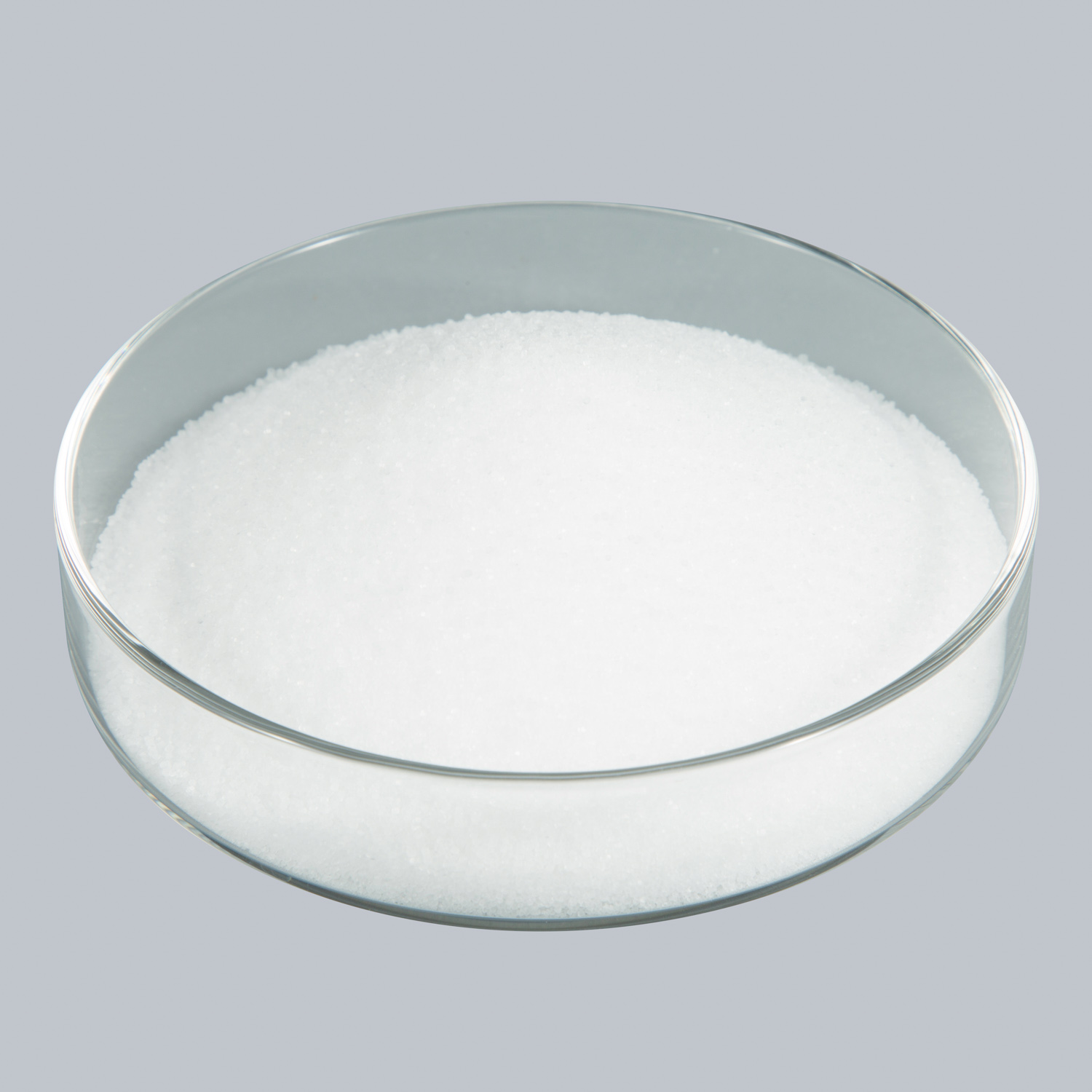
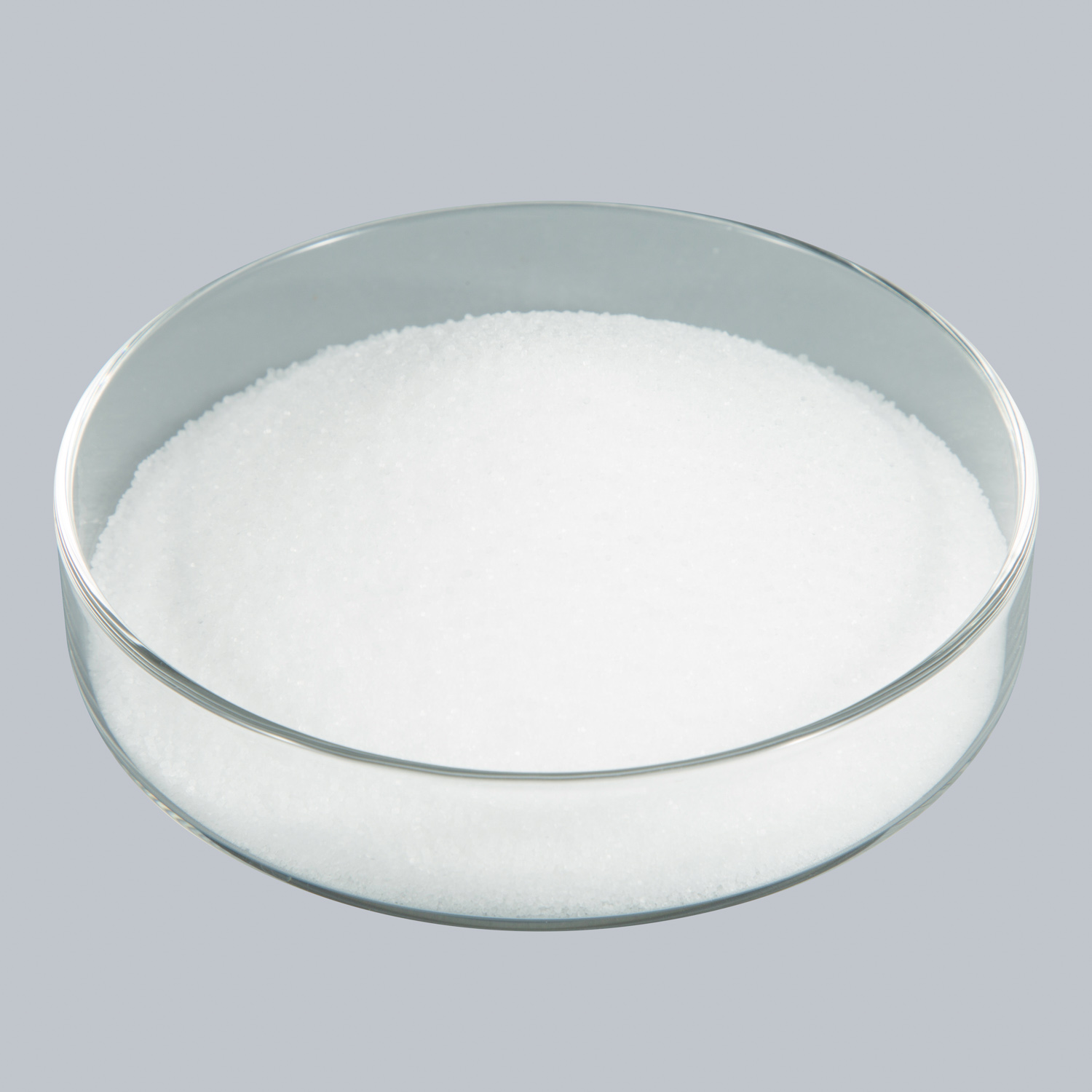
Theophylline, chemically known as 1,3-dimethylxanthine, is a vital pharmacological agent belonging to the methylxanthine class of drugs. With the molecular formula C7H8N4O2 and the CAS Registry Number 58-55-9, this white crystalline powder has served as a cornerstone in respiratory medicine for over a century. It acts primarily as a bronchodilator by inhibiting phosphodiesterase enzymes, which leads to increased intracellular cyclic AMP levels and subsequent relaxation of smooth muscle in the airways. Additionally, it functions as an adenosine receptor antagonist, further contributing to its therapeutic effects on the lungs and central nervous system.
Historically derived from tea leaves, Theophylline is widely utilized in the management of obstructive airway diseases, including asthma, chronic obstructive pulmonary disease (COPD), and bronchitis. Its ability to improve airflow and reduce symptoms such as wheezing, shortness of breath, and coughing makes it an essential maintenance therapy for patients who do not achieve adequate control with other treatments like inhaled corticosteroids or beta-agonists alone. Beyond respiratory applications, it possesses mild diuretic properties and is sometimes used to treat apnea of prematurity in neonates due to its stimulatory effect on the respiratory center.
Despite its efficacy, Theophylline requires careful dosing due to its narrow therapeutic index. Blood concentration monitoring is often necessary to prevent toxicity, which can manifest as nausea, vomiting, tachycardia, seizures, or cardiac arrhythmias. Interactions with various medications, including antibiotics, antifungals, and smoking habits, significantly alter its metabolism and clearance rates. While newer agents have emerged, Theophylline remains a cost-effective and valuable option in global healthcare settings, particularly where access to advanced inhalers is limited. Ongoing research continues to explore novel formulations to enhance safety profiles while maintaining its potent bronchodilatory capabilities for diverse patient populations worldwide.






 (All Rights Reserved)