Product Description
please call me ,to know more
AI Product Description
*The following content is generated by AI and is for reference only.
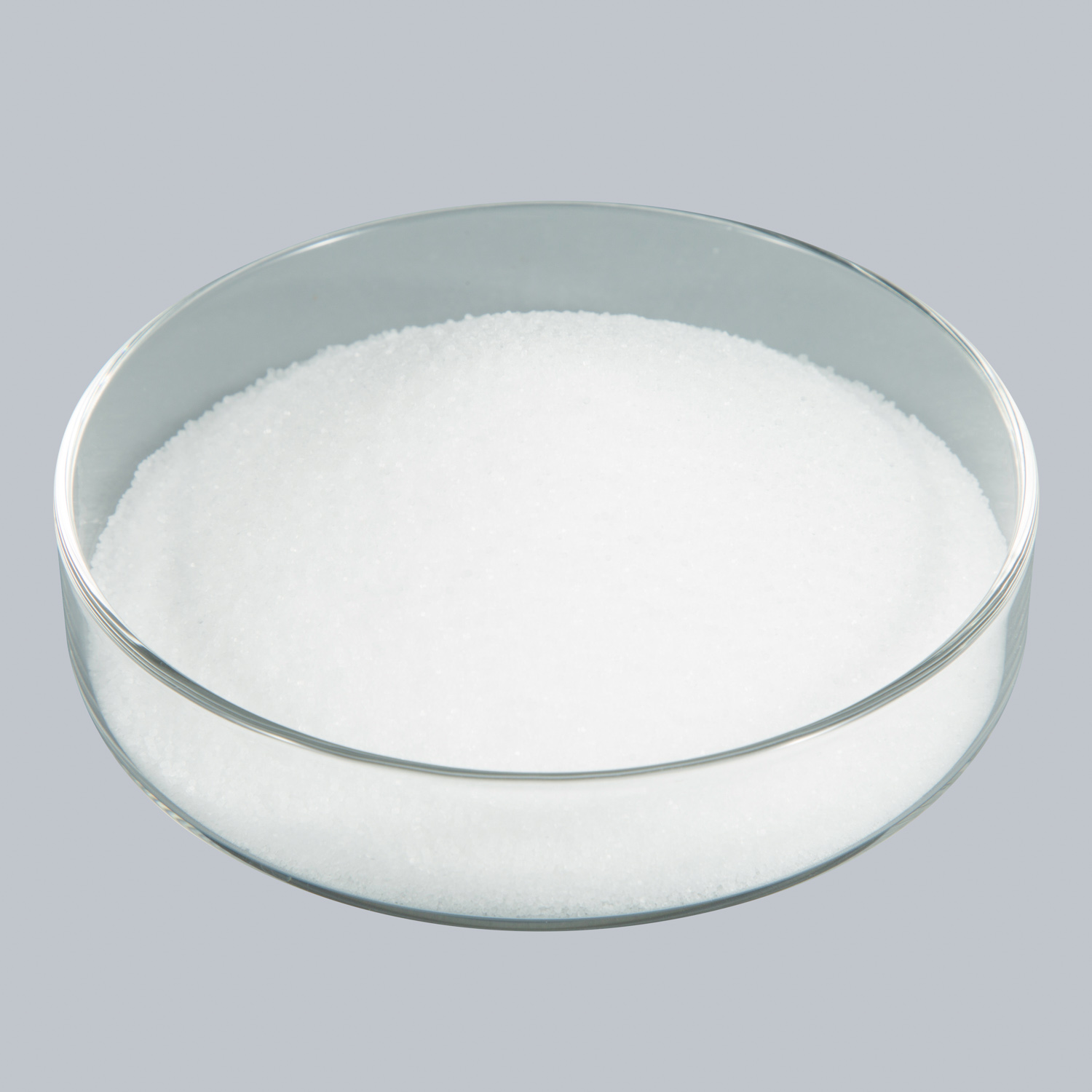
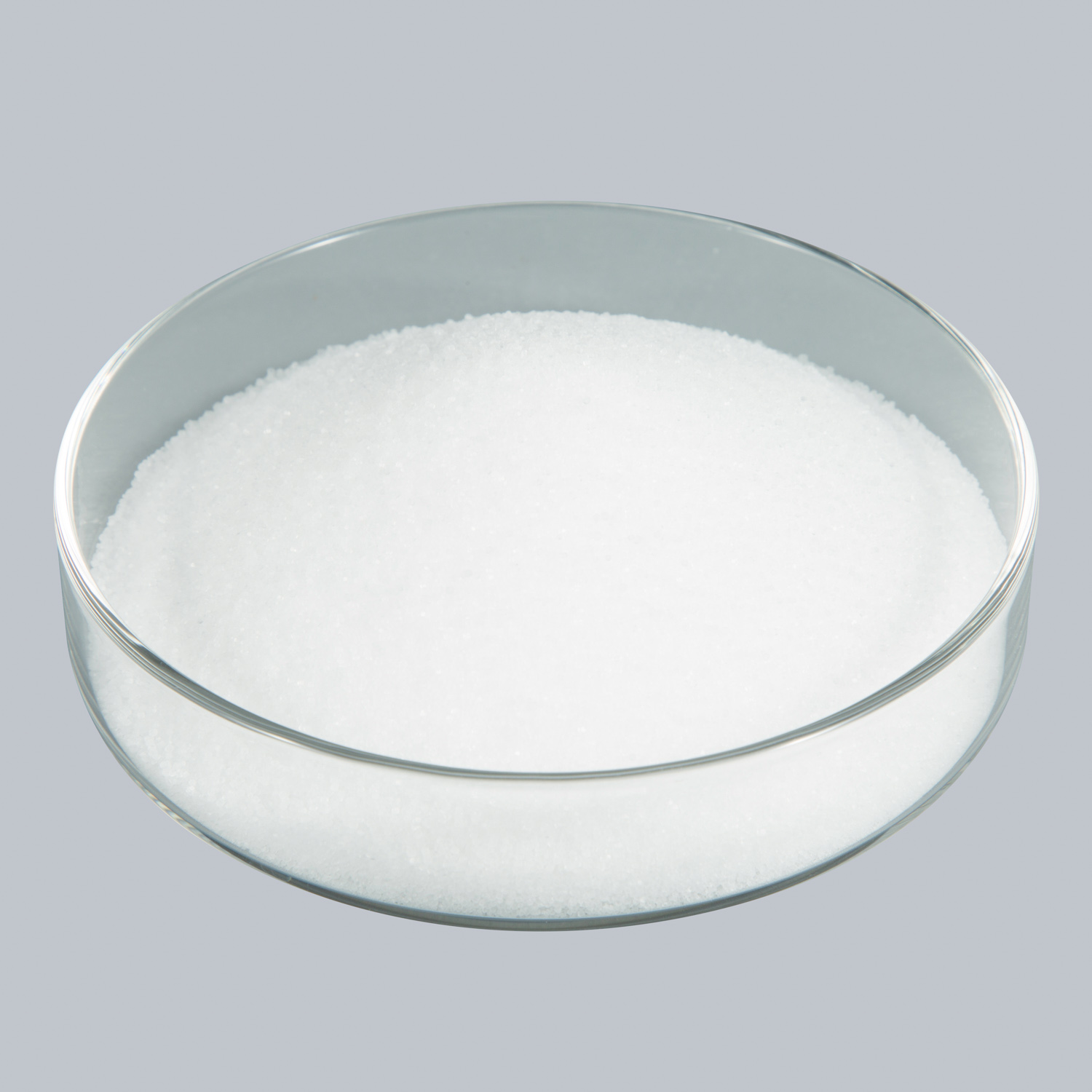
Theobromine, chemically known as 3,7-dihydro-3,7-dimethyl-1H-purine-2,6-dione, is a naturally occurring alkaloid belonging to the xanthine family. With the molecular formula C₇H₈N₄O₂ and a CAS registry number of 83-67-0, this compound is most famously associated with cacao beans and chocolate products. It serves as a primary stimulant in cocoa, though its physiological effects are significantly milder compared to its close relative, caffeine. Structurally, theobromine features a fused purine ring system substituted with two methyl groups at positions 3 and 7, which contributes to its unique solubility and metabolic profile within biological systems.
In terms of applications, theobromine plays a multifaceted role across various industries. In the food and beverage sector, it is a key flavor component that imparts a distinct bitter yet pleasant taste to chocolate, balancing sweetness and enhancing overall sensory experience. Beyond culinary uses, its pharmacological properties make it valuable in pharmaceutical research. Theobromine acts as a mild diuretic, helping to increase urine output, and functions as a vasodilator by relaxing smooth muscle tissue, which can improve blood flow. Additionally, it exhibits bronchodilatory effects, historically utilized in treating respiratory conditions like asthma, although modern medicine often prefers more potent synthetic alternatives.
From a toxicological perspective, while safe for human consumption in moderate amounts, theobromine is highly toxic to certain animals, particularly dogs and cats, due to their inability to metabolize it efficiently. This toxicity underscores the importance of keeping chocolate products away from pets. Industrially, theobromine is also investigated for potential antioxidant and anti-inflammatory benefits, contributing to ongoing studies regarding cardiovascular health and metabolic regulation. Its stability under processing conditions makes it an ideal additive for preserving product quality in confectionery manufacturing. As global demand for natural functional ingredients grows, theobromine remains a subject of significant scientific interest for developing novel therapeutic agents and enhancing food formulations without relying on harsh synthetic stimulants.






 (All Rights Reserved)