Product Name: Tetrabutyl ammonium fluoride 1mol/L THF
CAS number: 429-41-4
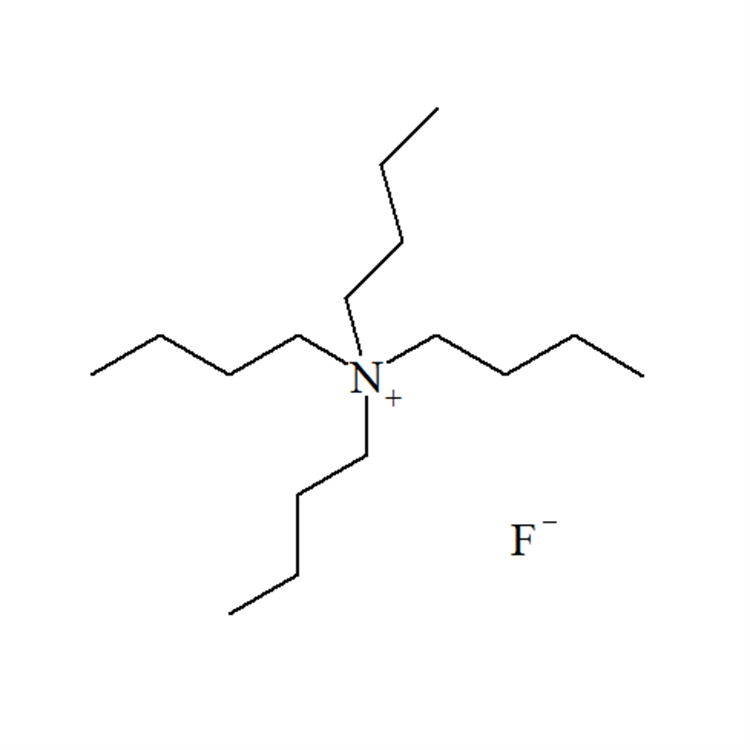
Molecular formula: C16H36NF
Molecular weight: 261.46
Purity (content): 1mol/L
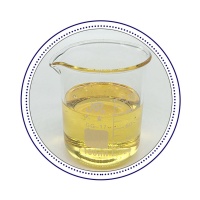
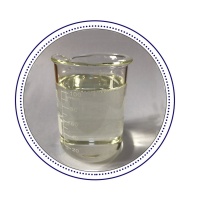
Property: Yellow liquid
Usage: Widely used in the field of organic synthesis, it can be used as a fluorinating reagent, silanization catalyst for alcohols, and phase transfer catalyst.
Caution: Easy to absorb water, should be sealed and stored dry.
*The following content is generated by AI and is for reference only.
Tetrabutylammonium fluoride (TBAF) in a 1 mol/L solution in tetrahydrofuran (THF) is a versatile and widely utilized reagent in modern organic synthesis. With the chemical formula C₁₆H₃₆FNO and CAS number 3068-57-3, this compound serves as a potent source of nucleophilic fluoride ions. The THF solvent significantly enhances its solubility and stability, making it an ideal choice for various laboratory and industrial applications where handling solid TBAF might be inconvenient or lead to inconsistent dosing due to its hygroscopic nature.
The primary function of TBAF/THF is the selective deprotection of silyl ethers, such as trimethylsilyl (TMS), tert-butyldimethylsilyl (TBS), and triisopropylsilyl (TIPS) groups. This capability is indispensable in the total synthesis of complex natural products, pharmaceuticals, and bioactive molecules, where protecting group strategies are critical for multi-step reaction sequences. Unlike other fluoride sources that may require harsh conditions, TBAF operates effectively under mild temperatures, often at room temperature, ensuring high chemoselectivity without damaging sensitive functional groups elsewhere in the molecule.
Beyond deprotection, TBAF acts as a catalyst in cycloaddition reactions, including Diels-Alder and Michael additions, by activating carbonyl compounds through coordination. It also facilitates the desilylation of alkynes and the activation of silanes in cross-coupling reactions. The 1 mol/L concentration provides a standardized dosage, simplifying experimental design and improving reproducibility across different batches. Its liquid form minimizes moisture absorption issues common with the anhydrous salt, although care must still be taken to store it under inert atmospheres. Due to its efficiency and broad applicability, TBAF in THF remains a staple reagent in academic research and fine chemical manufacturing, enabling the construction of intricate molecular architectures with precision and reliability.