Product Name: Tetrabutyl ammonium nitrate
CAS number: 1941-27-1
Molecular formula: C16H36N2O3
Molecular weight: 304.47
Purity (content): 98%
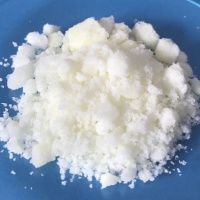
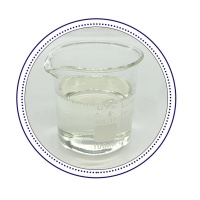
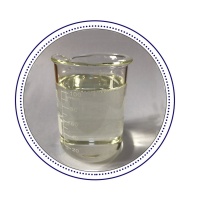
Property: Almost white solid.
Usage: Mainly used as fertilizer, and can also be used as insecticide, refrigerant, nitrogen oxide absorbent, manufacturing fireworks, etc.
Caution: Easy to absorb water, should be sealed and stored dry.
*The following content is generated by AI and is for reference only.
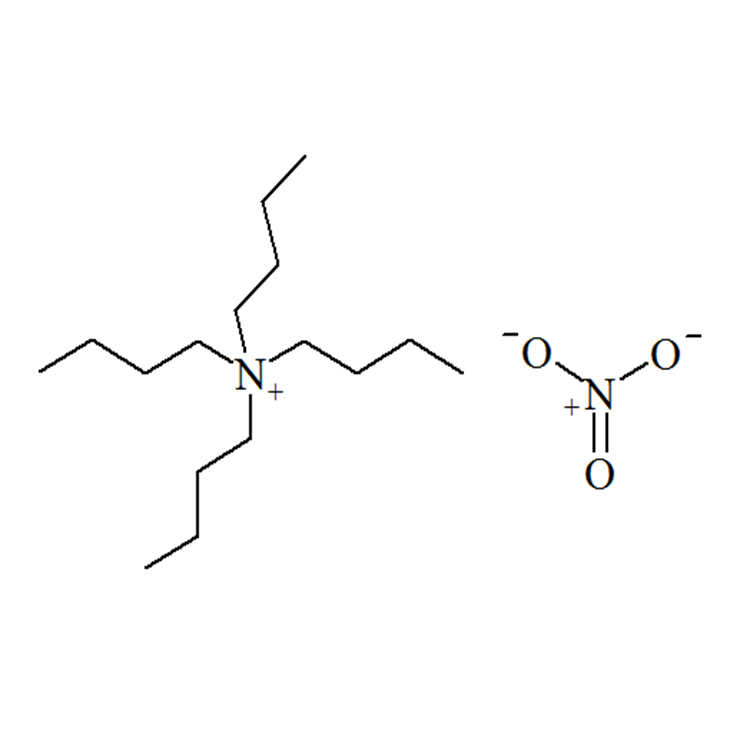
Tetrabutylammonium nitrate (TBAN) is a widely utilized organic salt in modern chemical synthesis, distinguished by its high solubility in both polar and non-polar organic solvents. With the molecular formula C16H36N2O3 and a CAS registry number of 5409-87-6, this quaternary ammonium compound serves as a critical phase-transfer catalyst and a source of nucleophilic nitrate ions. The molecule consists of a central nitrogen atom bonded to four butyl chains and a nitrate anion, creating a structure that effectively bridges the gap between aqueous and organic phases during reactions.
The primary application of TBAN lies in facilitating organic transformations where reagents are otherwise immiscible. It acts as an efficient phase-transfer catalyst, enabling the transfer of anionic species into organic media, thereby accelerating reaction rates significantly. Common uses include alkylation reactions, nucleophilic substitutions, and oxidation processes where controlled nitrate delivery is essential. In polymer chemistry, it functions as an initiator or additive for specific polymerization techniques, influencing molecular weight distribution and reaction kinetics. Furthermore, researchers employ TBAN in electrochemical studies due to its stability and conductivity in non-aqueous electrolyte solutions, making it valuable for battery research and sensor development.
Safety considerations are paramount when handling TBAN. While generally stable under standard conditions, it should be stored in a cool, dry place away from strong reducing agents and incompatible materials to prevent potential decomposition. Proper personal protective equipment, including gloves and eye protection, is mandatory during laboratory manipulation to avoid skin irritation or respiratory exposure. Its versatility across pharmaceutical intermediates, fine chemical production, and academic research underscores its importance in synthetic methodology. As industries seek greener and more efficient catalytic systems, TBAN remains a preferred choice for optimizing yield and selectivity in complex multi-step syntheses. Continued exploration of its properties ensures its enduring relevance in advancing chemical technologies and industrial applications globally.





 (All Rights Reserved)
![6,8-Dioxo-5,7-diazaspiro[3.4]octane-2-carboxylic acid](https://eimg.pharmasources.com/image/product/20250403/02effeb5a7639bc84ff1f3add3c0c64fjpg)
![8,16-Diazadispiro[6.1.6.2]heptadecan-17-one](https://eimg.pharmasources.com/image/product/20250403/ca91cba8b87e53fc879f8d8764873a40jpg)
![8-Oxa-1,3-diazaspiro[4.5]decane-2,4-dione](https://eimg.pharmasources.com/image/product/20250403/60fa7223d5a34f24138486ceea0ffb15jpg)