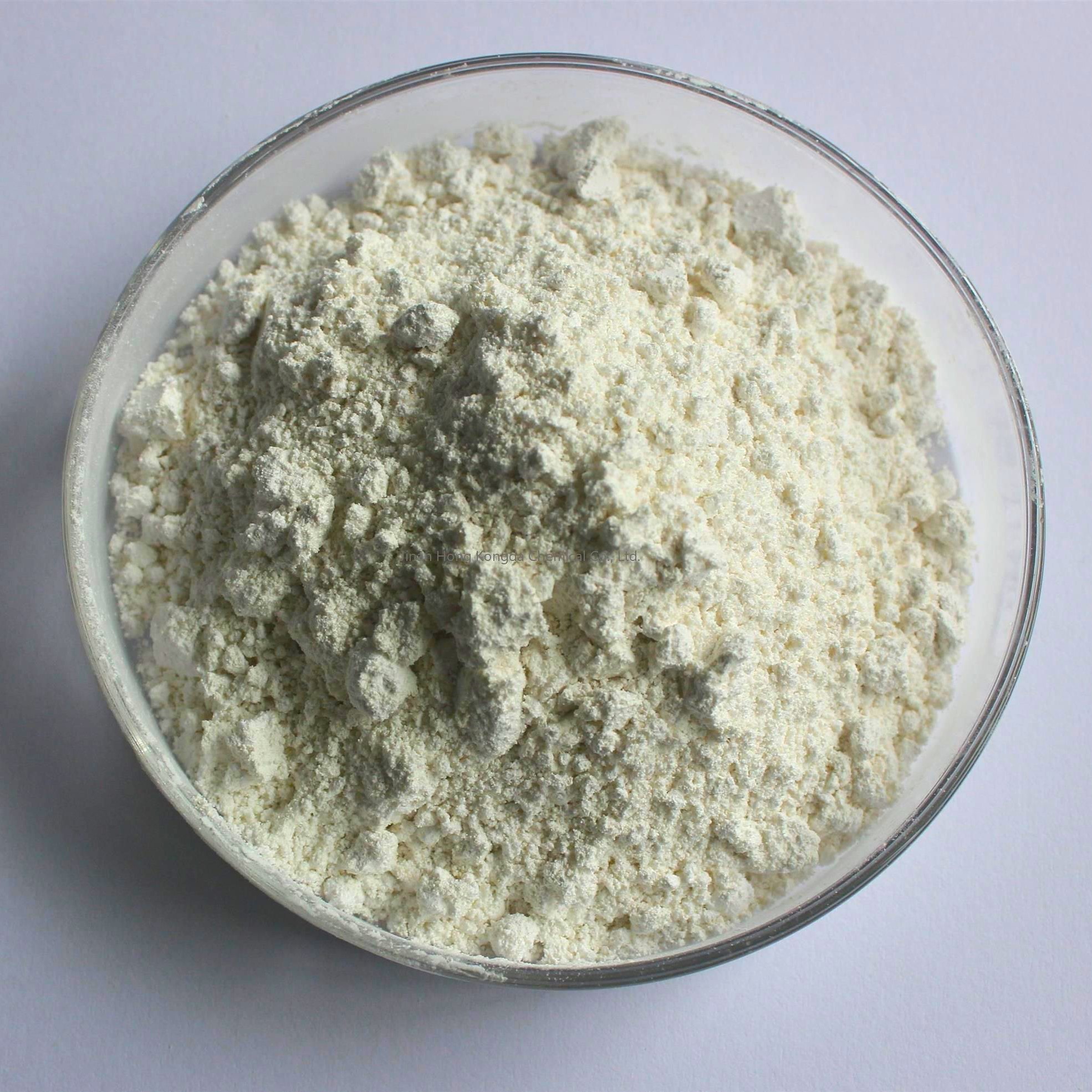
Product Name: Tetrabutyl ammonium hydroxide
CAS number: 2052-49-5
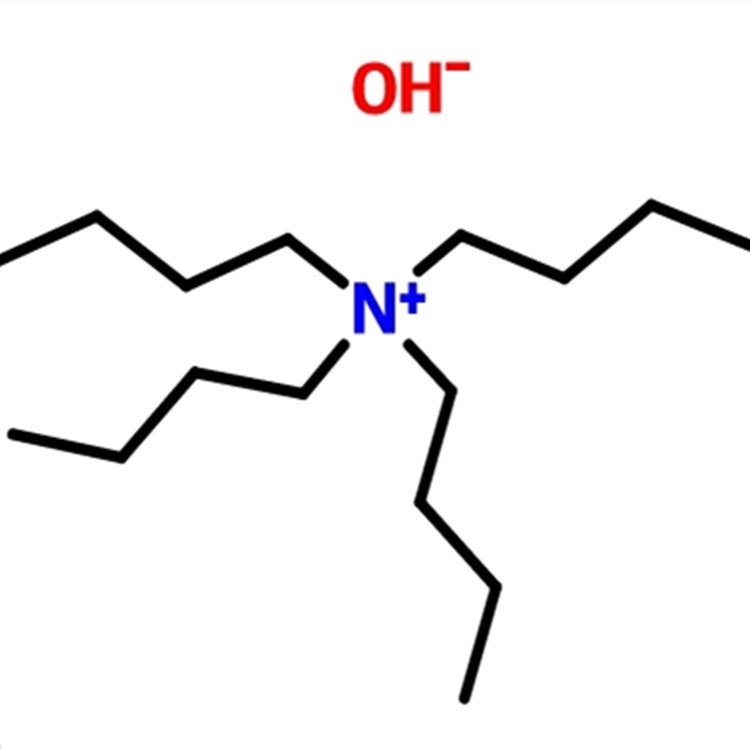
Molecular formula: C16H37NO
Molecular weight: 259.47
Purity (content): 25%/40%
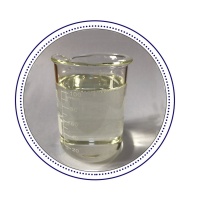
Property: Colorless transparent or light yellow liquid.
Usage: Pharmaceutical intermediate, phase transfer catalyst.
Attention: This product is strongly alkaline. Highly corrosive. Strong irritant and corrosive to the skin, eyes, and mucous membranes.
*The following content is generated by AI and is for reference only.
Tetrabutylammonium hydroxide (TBAH) in methanol solution is a widely utilized reagent in organic synthesis and analytical chemistry, serving as a powerful phase-transfer catalyst and strong non-nucleophilic base. The chemical formula for the cation is C16H36N+, while the complete compound combined with the hydroxide anion yields C16H37NO. Its primary CAS registry number is 1643-19-2, which identifies the pure substance; however, commercial methanolic solutions are often characterized by their specific concentration ranges, typically available as 25% w/w or 0.1 M solutions stabilized to prevent degradation.
This product functions primarily by facilitating the transfer of ionic species from aqueous phases into organic solvents, thereby accelerating reaction rates in heterogeneous systems. In organic transformations, TBAH acts as an efficient base for deprotonation reactions, including the generation of enolates, Wittig olefinations, and various condensation reactions. Its solubility in methanol makes it particularly convenient for reactions requiring homogeneous conditions without the need for additional co-solvents. Furthermore, it is extensively employed in chromatography, specifically in high-performance liquid chromatography (HPLC), where it serves as an ion-pairing agent to improve the separation of acidic analytes and enhance peak resolution.
The methanolic form offers distinct advantages over solid salts or aqueous solutions, as it minimizes water content that could interfere with moisture-sensitive reactions. It is also a key reagent in the synthesis of pharmaceutical intermediates, agrochemicals, and advanced materials. Safety protocols are essential when handling this material due to its caustic nature; it causes severe skin burns and eye damage and requires storage in tightly sealed containers away from incompatible oxidizers and acids. Despite its reactivity, TBAH remains a staple in modern laboratories for its versatility in enabling complex synthetic pathways with high efficiency and selectivity.