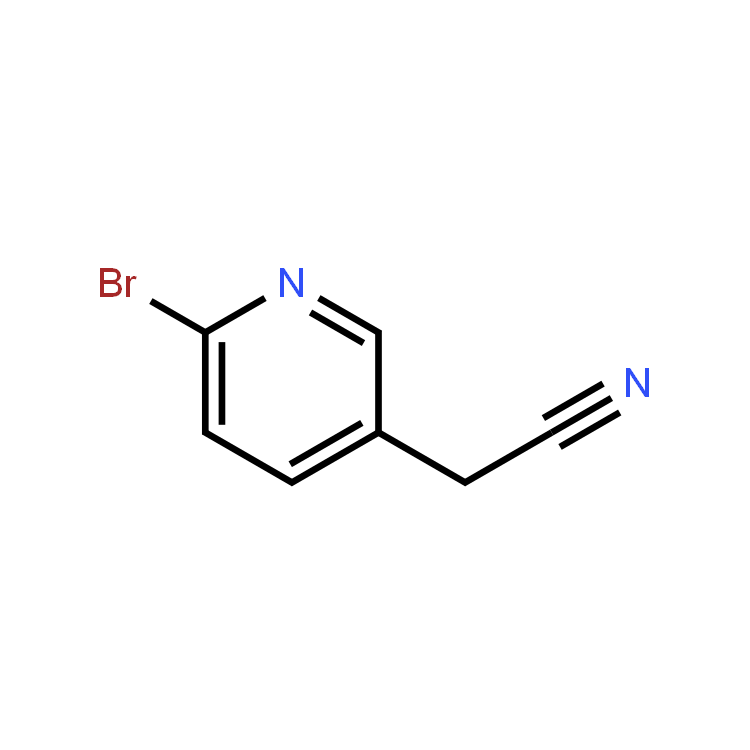
Huateng Pharmaceutical, a global supplier of pharmaceutical intermediates, offers Palbociclib intermediate Tert-butyl 4-(6-nitropyridin-3-yl)piperazine-1-carboxylate (CAS No.: 571189-16-7) for your requirements of R&D, evaluation, pilots and commercial along with supportive technical package required for evaluation.
*The following content is generated by AI and is for reference only.
Tert-butyl 4-(6-nitropyridin-3-yl)piperazine-1-carboxylate is a specialized organic intermediate widely utilized in medicinal chemistry and pharmaceutical research. With the molecular formula C13H18N4O3 and a molecular weight of approximately 278.30 g/mol, this compound serves as a critical building block for synthesizing complex heterocyclic architectures. Its Chemical Abstracts Service (CAS) Registry Number is 100599-67-9, which facilitates precise identification in chemical databases and regulatory documentation.
The structure of this molecule features a piperazine ring substituted with a tert-butoxycarbonyl (Boc) protecting group at one nitrogen and a 6-nitropyridin-3-yl moiety at the other. This specific arrangement makes it highly valuable for multi-step synthesis protocols where selective reactivity is required. The Boc group offers robust protection against various reaction conditions while remaining easily removable under acidic environments to reveal the free amine for subsequent coupling reactions. Meanwhile, the nitro-pyridine segment acts as an electrophilic center or a precursor for further functionalization, such as reduction to an amino group or nucleophilic aromatic substitution.
In practical applications, this compound is predominantly employed in the development of novel kinase inhibitors, G-protein coupled receptor (GPCR) modulators, and other bioactive small molecules. Researchers frequently utilize it to construct libraries of pyridine-piperazine derivatives, which are common scaffolds in modern drug discovery programs due to their favorable pharmacokinetic profiles and binding affinities. The presence of the nitro group allows for versatile transformations into diverse heterocycles, expanding the chemical space available for lead optimization.
Handling this substance requires standard laboratory safety precautions, as nitro compounds can be sensitive to heat and shock, and the Boc-protected amine may release volatile byproducts during deprotection. It is typically supplied as a white to off-white crystalline solid, soluble in common organic solvents like dichloromethane, dimethyl sulfoxide (DMSO), and tetrahydrofuran (THF). As a high-purity synthetic intermediate, it plays an indispensable role in accelerating the timeline from hit identification to preclinical candidate selection in the pharmaceutical industry.






 (All Rights Reserved)




![6,8-Dioxo-5,7-diazaspiro[3.4]octane-2-carboxylic acid](https://eimg.pharmasources.com/image/product/20250403/02effeb5a7639bc84ff1f3add3c0c64fjpg)
![8-Oxa-1,3-diazaspiro[4.5]decane-2,4-dione](https://eimg.pharmasources.com/image/product/20250403/60fa7223d5a34f24138486ceea0ffb15jpg)
![8,16-Diazadispiro[6.1.6.2]heptadecan-17-one](https://eimg.pharmasources.com/image/product/20250403/ca91cba8b87e53fc879f8d8764873a40jpg)