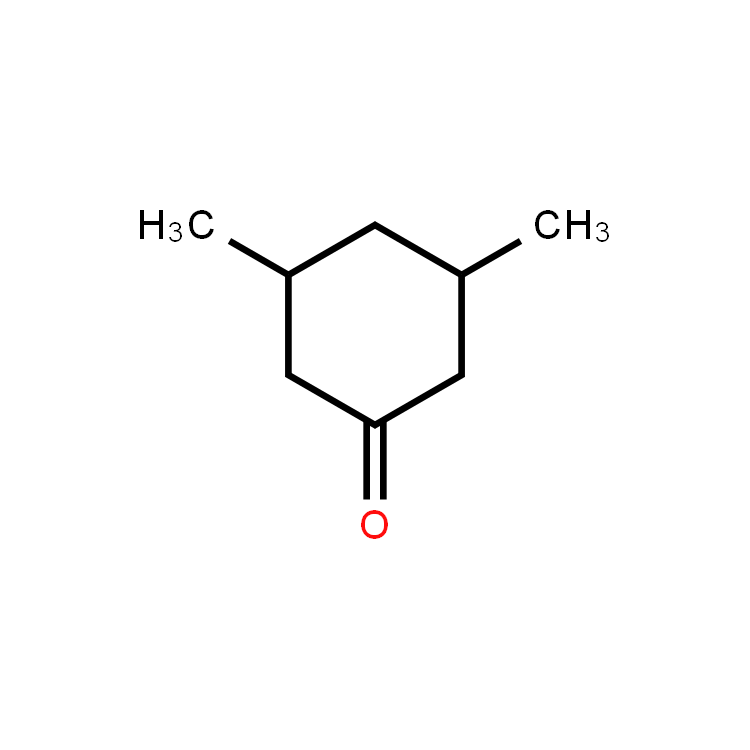
Huateng Pharma, a global supplier of pharmaceutical intermediates, PEG derivatives and other chemical products, offers CAS NO.934841-17-5 for your requirements of R&D, evaluation, pilots and commercial along with supportive technical package required for evaluation.
Application: It is an intermediate of Aliskiren, it is the first in a class of drugs called direct renin inhibitors and used for essential (primary) hypertension.
*The following content is generated by AI and is for reference only.
The compound tert-Butyl (3S,5S)-2-oxo-5-[(2S,4S)-5-oxo-4-propan-2-yloxolan-2-yl]-3-propan-2-ylpyrrolidine-1-carboxylate is a sophisticated chiral intermediate widely utilized in modern medicinal chemistry and organic synthesis. While specific commercial catalogues may list varying CAS numbers depending on the exact supplier or salt form, this molecule is structurally defined by its complex stereochemistry, featuring two distinct chiral centers within a pyrrolidine ring system and an attached oxolane moiety. Its molecular formula typically corresponds to C19H31NO5, reflecting a molecular weight of approximately 353.45 g/mol. The structure incorporates critical functional groups including a tert-butyl carbamate (Boc) protecting group, which ensures stability during multi-step synthesis, alongside ketone functionalities and isopropyl substituents that dictate its three-dimensional conformation.
This compound serves primarily as a key building block for the asymmetric synthesis of bioactive pharmaceutical agents, particularly those targeting neurological disorders, metabolic diseases, or cardiovascular conditions. The precise (3S,5S) and (2S,4S) configurations are essential for mimicking natural peptide backbones or enzyme inhibitors, where stereoselectivity directly influences biological potency and receptor binding affinity. Researchers frequently employ this intermediate in the construction of proline-based peptidomimetics, leveraging the rigidified pyrrolidine scaffold to restrict conformational flexibility and enhance metabolic stability. The presence of the Boc group allows for selective deprotection under acidic conditions, facilitating further coupling reactions with various amines or carboxylic acids without compromising the sensitive oxolane ring. Furthermore, the isopropyl side chains contribute to lipophilicity, potentially improving membrane permeability in drug candidates derived from this precursor. In laboratory settings, high-purity samples of this material are indispensable for validating synthetic routes, optimizing catalytic processes, and conducting structure-activity relationship (SAR) studies. As the demand for enantiomerically pure compounds grows in the pharmaceutical industry, intermediates like this play a pivotal role in accelerating the development of next-generation therapeutics with improved safety profiles and efficacy.

![tert-Butyl (3S,5S)-2-oxo-5-[(2S,4S)-5-oxo-4-propan-2-yloxolan-2-yl]-3-propan-2-ylpyrrolidine-1-carbo](https://eimg.pharmasources.com/image/20220602/e3COG7BfdJ0HmBPs3hIHPFc2BWueUNSs0DnIiN9Z.gif)




 (All Rights Reserved)

![8-Oxa-1,3-diazaspiro[4.5]decane-2,4-dione](https://eimg.pharmasources.com/image/product/20250403/60fa7223d5a34f24138486ceea0ffb15jpg)
![6,8-Dioxo-5,7-diazaspiro[3.4]octane-2-carboxylic acid](https://eimg.pharmasources.com/image/product/20250403/02effeb5a7639bc84ff1f3add3c0c64fjpg)
![8,16-Diazadispiro[6.1.6.2]heptadecan-17-one](https://eimg.pharmasources.com/image/product/20250403/ca91cba8b87e53fc879f8d8764873a40jpg)