Product Description
please call me ,to know more
AI Product Description
*The following content is generated by AI and is for reference only.
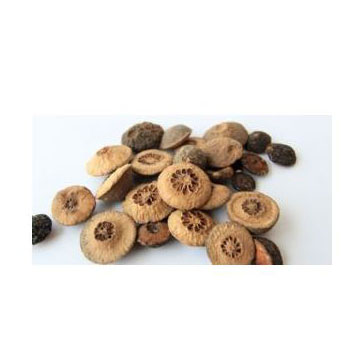
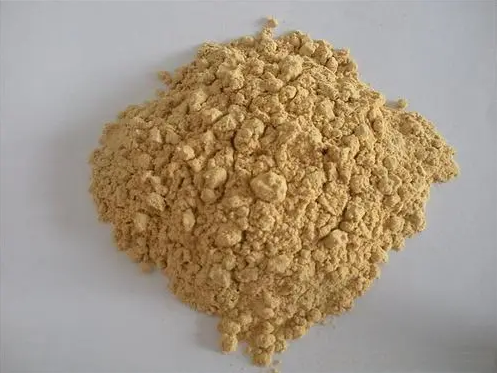
Tenacissoside H is a naturally occurring bioactive saponin isolated primarily from the roots of *Salvia tenacissima*, a plant species traditionally utilized in herbal medicine for its therapeutic properties. This compound belongs to the class of triterpenoid glycosides, characterized by a complex aglycone core linked to sugar moieties, which significantly influences its solubility and biological activity. While specific commercial catalog data such as the exact CAS number and molecular formula may vary slightly depending on the source or purity grade, Tenacissoside H is generally recognized in scientific literature for its potent pharmacological potential. Research indicates that this molecule exhibits significant anti-inflammatory effects, making it a subject of interest for developing treatments against chronic inflammatory diseases. Furthermore, studies suggest它具有 cytotoxic activity against various cancer cell lines, pointing toward promising applications in oncology research. The mechanism of action often involves the modulation of key signaling pathways related to inflammation and apoptosis. Due to its structural complexity, Tenacissoside H serves as a valuable lead compound for drug discovery programs aiming to synthesize more effective analogs with improved bioavailability. In the pharmaceutical industry, it is primarily used as a reference standard for quality control in herbal extracts or as a starting material for semi-synthetic derivative production. Its isolation typically requires sophisticated extraction and purification techniques, including chromatography, to ensure high purity levels suitable for in vitro and in vivo studies. As natural product chemistry advances, Tenacissoside H continues to attract attention from researchers exploring novel therapeutic agents derived from medicinal plants. Although clinical trials are still limited, the existing preclinical data underscores its importance as a functional ingredient in traditional medicine systems and modern pharmacological investigations. Future developments may focus on elucidating its precise metabolic pathways and optimizing delivery methods to maximize therapeutic efficacy while minimizing potential side effects.






 (All Rights Reserved)