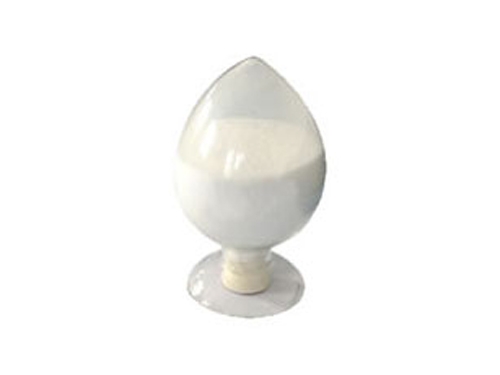
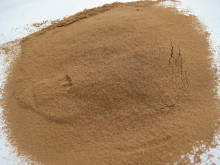
Tea saponin and tea saponin, is by the tea seed, tea seed, tea seed), a class of glycoside compound extracted is a kind of good performance of natural surface active agent, it can be widely used in light industry, chemical industry, pesticide, feed, aquaculture, textile, oil, mining, building materials and highway construction, and other fields.
*The following content is generated by AI and is for reference only.
Tea saponin, also known as tea polyphenol saponins or Camellia sinensis saponins, is a natural bioactive compound extracted primarily from the seeds of the tea plant (Camellia sinensis) and certain other Camellia species. It belongs to the class of triterpenoid saponins, characterized by a glycosidic structure consisting of a hydrophobic aglycone backbone linked to one or more sugar moieties. The general molecular formula for the predominant components in tea saponin is often cited around C42H68O13, though specific variants may differ slightly depending on the exact sugar composition and extraction source. While a single universal CAS number does not exist due to its nature as a complex mixture, individual major constituents like tea saponin A have distinct identifiers such as CAS 5970-87-0.
This natural surfactant is renowned for its exceptional foaming capacity and emulsifying properties, making it highly valuable across multiple industrial sectors. In agriculture, tea saponin serves as an effective, eco-friendly botanical pesticide and fungicide. Its mode of action involves disrupting the cell membranes of pests and fungi, offering a sustainable alternative to synthetic chemical pesticides that minimizes environmental residue and resistance issues. Furthermore, it acts as a natural insect repellent and growth regulator.
In the personal care and cosmetic industry, tea saponin is utilized as a gentle, biodegradable cleanser and foam booster in shampoos, body washes, and facial cleansers. Its mildness ensures it is suitable for sensitive skin while providing excellent cleansing efficiency without stripping natural oils. Additionally, it finds applications in food processing as a natural emulsifier and stabilizer, enhancing texture and stability in various formulations. Due to its low toxicity and high biodegradability, tea saponin aligns perfectly with the growing global demand for green chemistry solutions. Research continues to explore its potential in pharmaceutical applications, including anti-inflammatory and anticancer activities, further cementing its status as a versatile and promising natural ingredient in modern science and industry.




 (All Rights Reserved)