Product Description
please call me ,to know more
AI Product Description
*The following content is generated by AI and is for reference only.
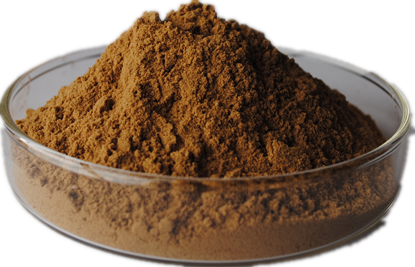
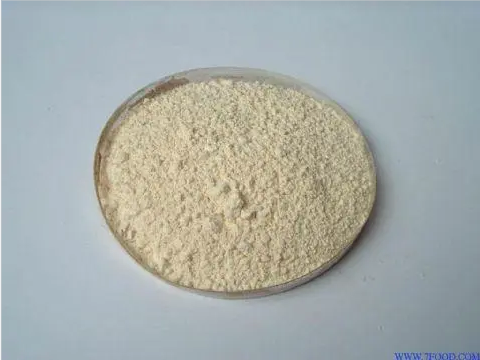
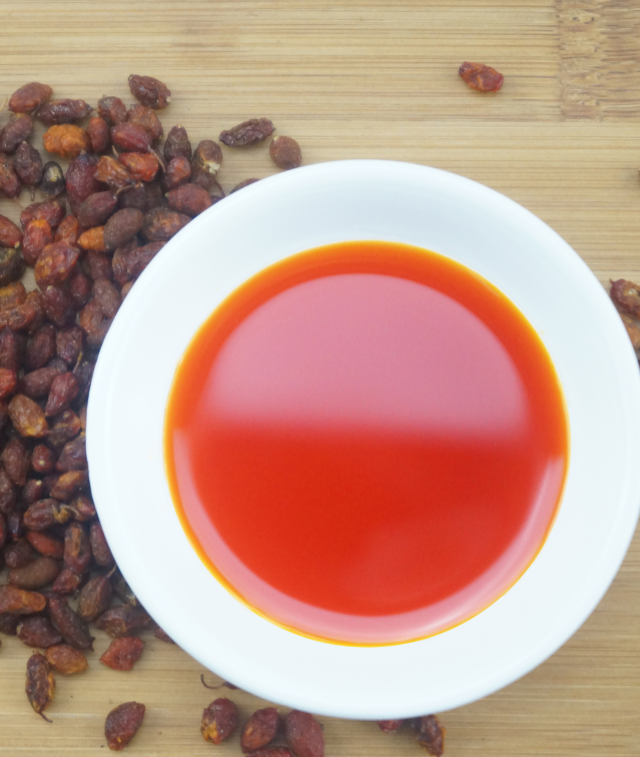
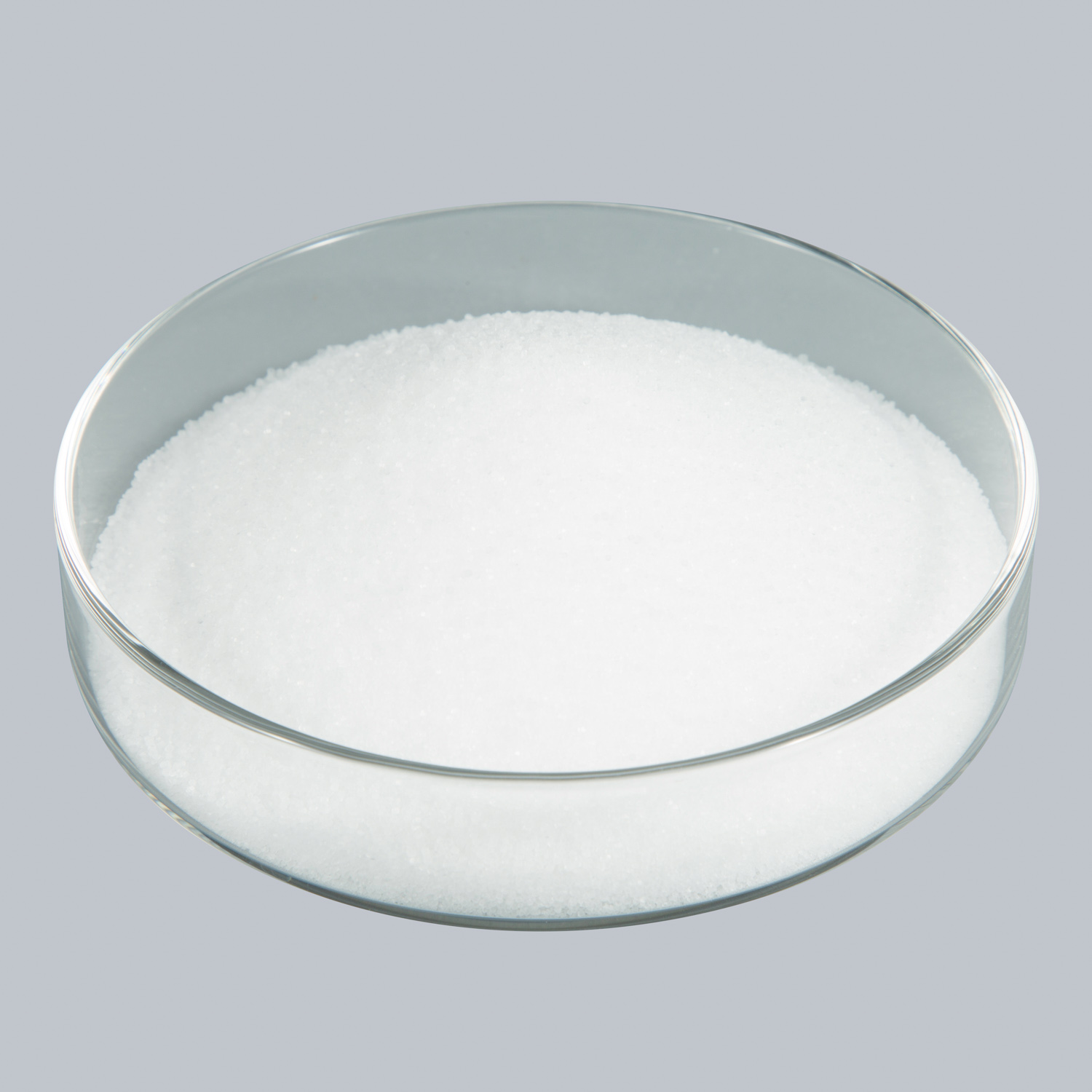
Synephrine, chemically known as 4-(1-hydroxy-2-methylaminoethyl)phenol or octopamine isomer, is a naturally occurring alkaloid primarily extracted from the unripe fruit of bitter orange (Citrus aurantium). Its molecular formula is C9H13NO2, and it is identified by the CAS Registry Number 5706-98-7. Structurally related to ephedrine and norepinephrine, synephrine acts as a sympathomimetic agent, meaning it mimics the effects of the sympathetic nervous system by stimulating adrenergic receptors, particularly alpha-1, beta-1, and beta-2 subtypes, though with lower affinity for beta-3 receptors compared to other stimulants.
In the commercial and pharmaceutical sectors, synephrine is most widely recognized for its inclusion in dietary supplements marketed for weight management and energy enhancement. Manufacturers promote it as a natural alternative to banned substances like ephedra, which was restricted due to safety concerns regarding cardiovascular risks. Proponents argue that synephrine boosts metabolic rate and lipolysis (fat breakdown) while providing mild stimulant effects without the severe side effects associated with stronger amphetamines. Consequently, it is a common ingredient in pre-workout formulas, fat burners, and thermogenic blends designed to increase calorie expenditure during exercise.
Beyond weight loss applications, synephrine has been investigated for potential benefits in treating hypotension (low blood pressure) and nasal congestion due to its vasoconstrictive properties when applied topically or taken orally. Some studies suggest it may improve cognitive focus and alertness, making it attractive to athletes seeking performance advantages. However, regulatory bodies such as the FDA have not approved synephrine as a drug for specific medical treatments, classifying it strictly as a dietary supplement ingredient. Safety profiles remain a subject of ongoing scientific debate; while generally considered safer than ephedra at recommended dosages, high doses can still elevate heart rate and blood pressure, posing risks for individuals with pre-existing cardiovascular conditions. Users are advised to consult healthcare professionals before use, especially those taking medications affecting the central nervous system or blood pressure. Despite controversies, its natural origin and widespread availability ensure its continued popularity in the global wellness industry as a versatile bioactive compound for metabolic support.






 (All Rights Reserved)