Product Description
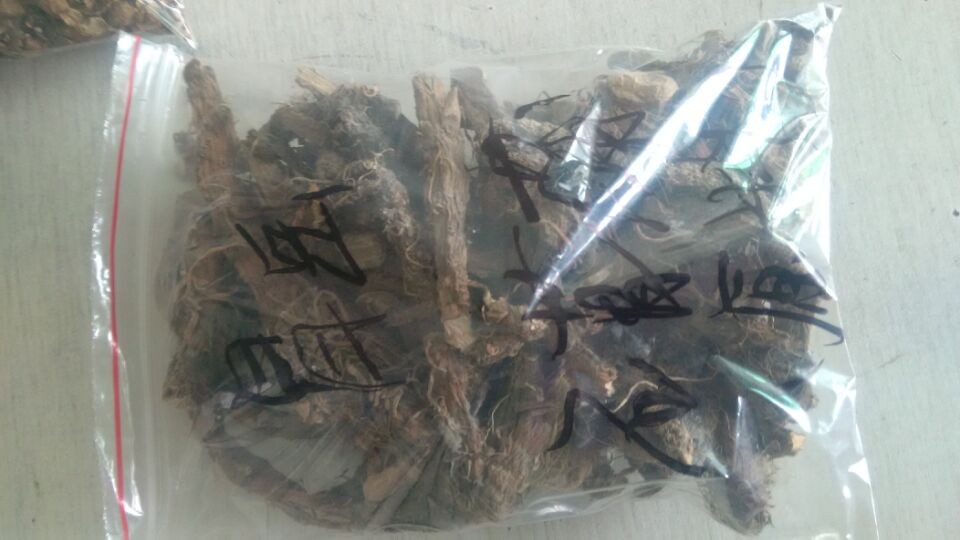
Comfrey contains allantoin allantoin) ingredients, can stimulate new cell growth, topical treatment of trauma, can promote wound healing.
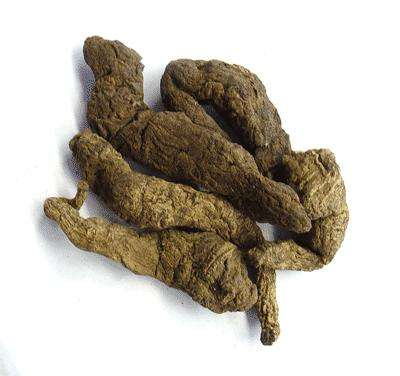
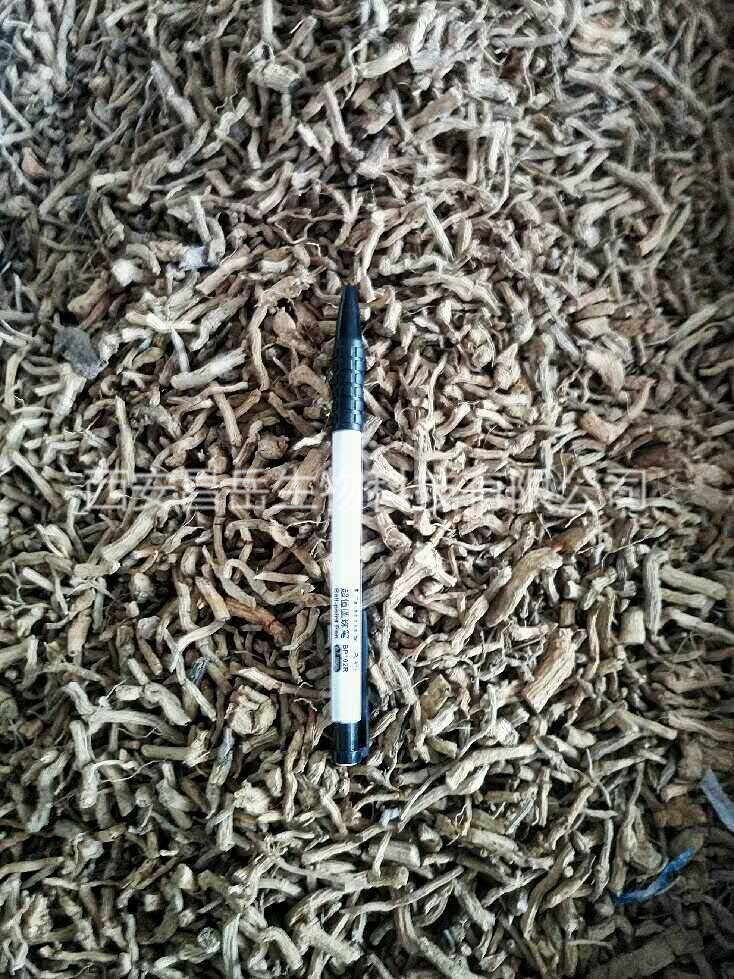
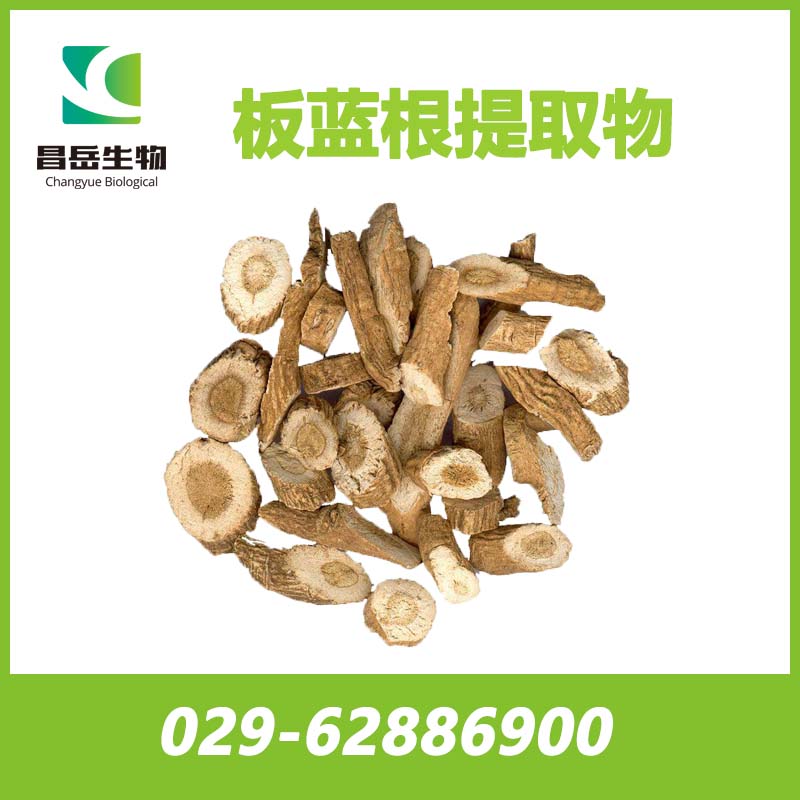
Medicinal roots, cool and invigorate the circulation of blood, the function of heat-clearing and detoxifying.
In addition, because it contains a lot of allantoin and vitamin B12, prevention and treatment of livestock and poultry intestinal.
AI Product Description
*The following content is generated by AI and is for reference only.
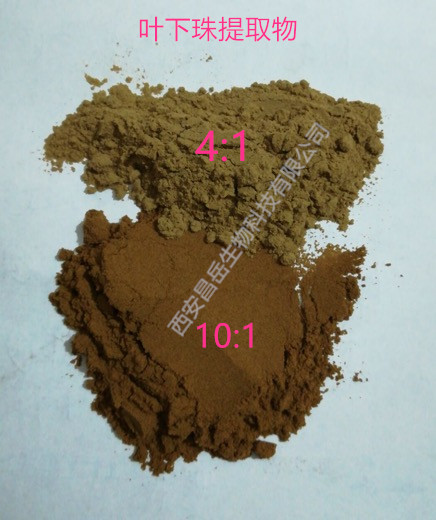
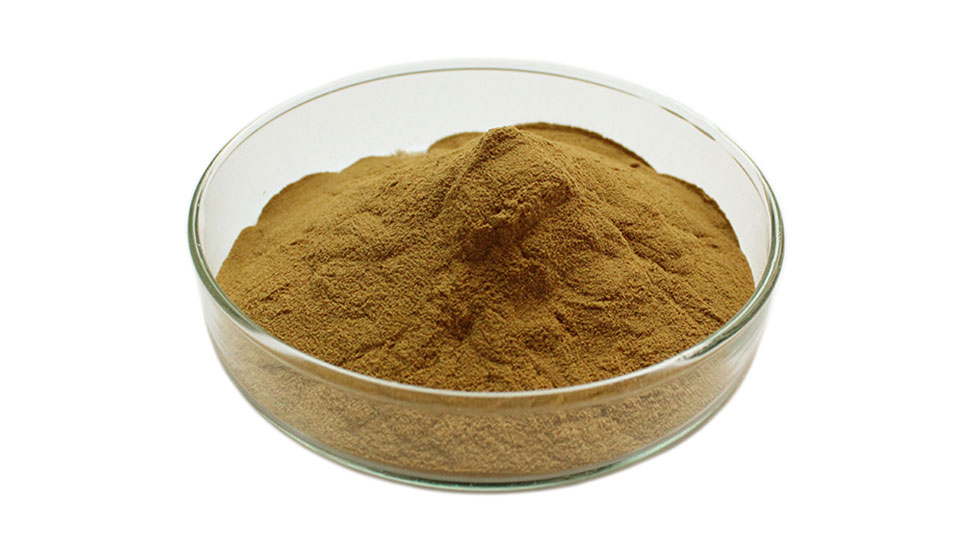
Symphytum officinale extract, commonly known as comfrey root or leaf extract, is a natural botanical preparation derived from the roots and leaves of the plant Symphytum officinale. This species belongs to the Boraginaceae family and has been utilized for centuries in traditional medicine across Europe and Asia. The extract is primarily valued for its rich content of allantoin, a compound renowned for its ability to promote cell proliferation and tissue regeneration. Additionally, it contains rosmarinic acid, which offers potent anti-inflammatory properties, making it highly effective in topical applications for wound healing, bruising, and joint pain relief.
The chemical composition of Symphytrum officinale extract varies depending on the extraction method and plant part used, but it does not possess a single molecular formula due to its complex mixture of bioactive compounds. However, allantoin, a key constituent, has the molecular formula C4H6N4O3 and is often cited with CAS number 97-56-1. The extract itself is generally categorized under various CAS numbers depending on specific formulations, though raw plant material is often referenced without a unique identifier for the crude mixture. Its primary applications are found in the pharmaceutical, cosmetic, and nutraceutical industries. In dermatology, it is widely incorporated into creams, ointments, and gels designed to accelerate the healing of minor burns, cuts, and abrasions. Furthermore, sports medicine frequently utilizes this extract in balms and patches to alleviate muscle soreness and reduce inflammation associated with sprains or arthritis.
Despite its therapeutic benefits, safety precautions are essential. Historically, oral consumption of Symphytum extracts containing pyrrolizidine alkaloids (PAs) has been linked to hepatotoxicity, leading many regulatory bodies to restrict internal use. Consequently, modern commercial products are rigorously tested to ensure PA-free status, particularly those intended for external application. Manufacturers emphasize the importance of using standardized extracts that meet international safety guidelines. As consumer demand for natural, plant-based remedies grows, Symphytum officinale extract remains a cornerstone ingredient in formulations targeting skin repair and inflammatory conditions, balancing historical efficacy with contemporary safety standards to deliver reliable health benefits.










 (All Rights Reserved)