Product Description
|
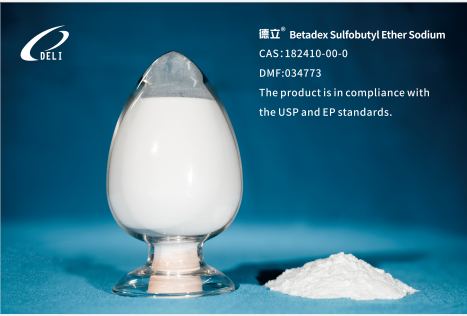
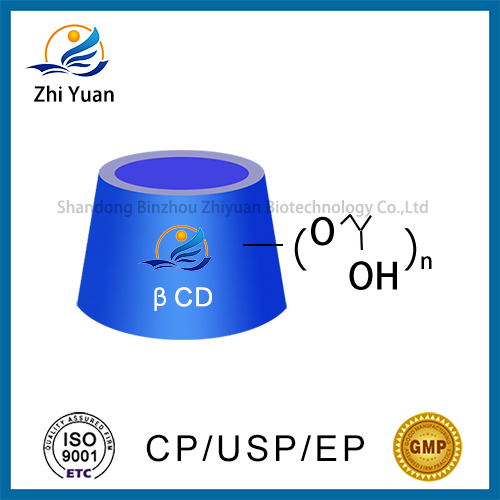
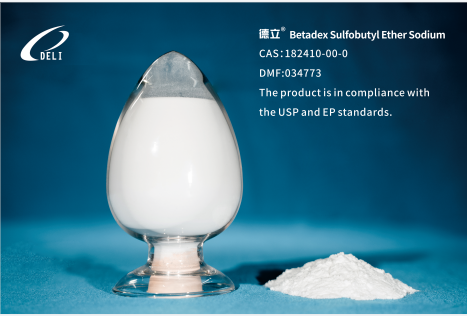
Product Name: Sulfobutyl betacyclodextrin sodium
|
| Other Name: SBECD |
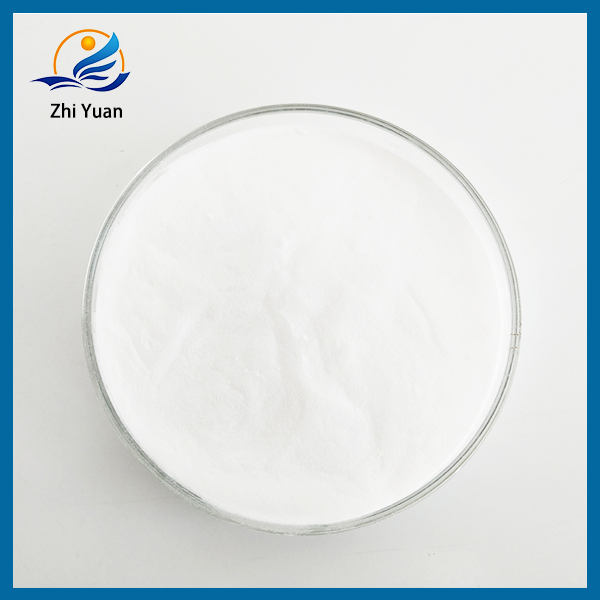
| Appearance: White powder,colorless,odorless. |
| Standard:USP40-NF35, EP9.0 |
| CAS NO: 182410-00-0 |
AI Product Description
*The following content is generated by AI and is for reference only.
Sulfobutyl ether beta-cyclodextrin sodium, commonly abbreviated as SBECD or Captisol®, is a highly versatile and widely utilized water-soluble derivative of natural beta-cyclodextrin. With the chemical formula C42H60O35Na8 (representing the average composition where sulfobutyl groups replace hydroxyls on the glucose units), this compound possesses a unique toroidal structure featuring a hydrophobic central cavity and a hydrophilic exterior surface modified with negatively charged sulfobutyl ether groups. Its specific CAS Registry Number is 100073-97-6.
The primary function of SBECD lies in its ability to form stable inclusion complexes with a broad spectrum of poorly water-soluble active pharmaceutical ingredients (APIs). By encapsulating hydrophobic drug molecules within its non-polar cavity, SBECD significantly enhances their apparent solubility, dissolution rate, and overall bioavailability without altering the chemical structure of the drug itself. This property makes it an indispensable excipient in modern pharmaceutical formulations, particularly for injectable solutions where high concentrations are required to minimize injection volume. Unlike native cyclodextrins, SBECD exhibits superior stability across a wide pH range and demonstrates low toxicity, allowing for higher administration doses safely. It has been extensively studied and approved by regulatory agencies such as the FDA for use in various commercial products, including antifungal agents, analgesics, and antiviral drugs. Beyond pharmaceuticals, SBECD finds applications in food technology to improve the delivery of vitamins and flavors, as well as in cosmetics to stabilize sensitive actives. The negative charge on the molecule also contributes to its compatibility with biological membranes and reduces potential irritation upon parenteral administration. As a result, SBECD stands out as a premier solubilizing agent, enabling the development of novel drug delivery systems that overcome traditional formulation barriers, thereby ensuring therapeutic efficacy and patient compliance in clinical settings.





 (All Rights Reserved)