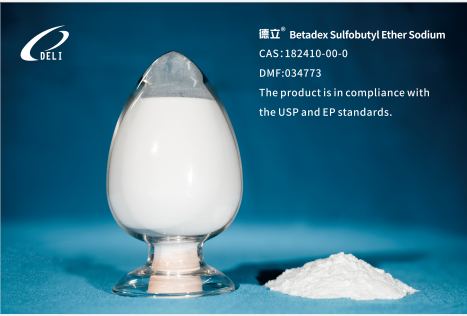
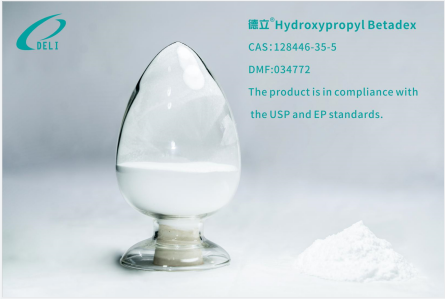
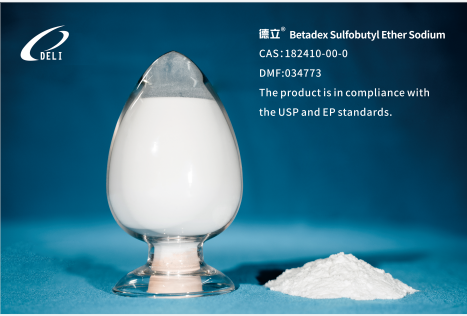
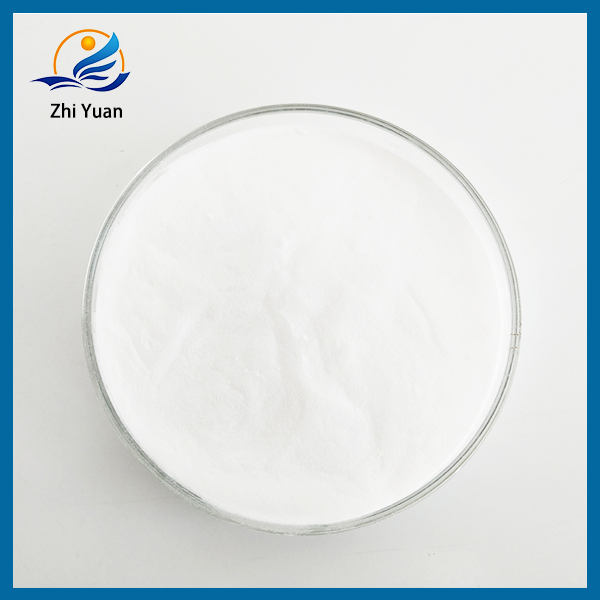
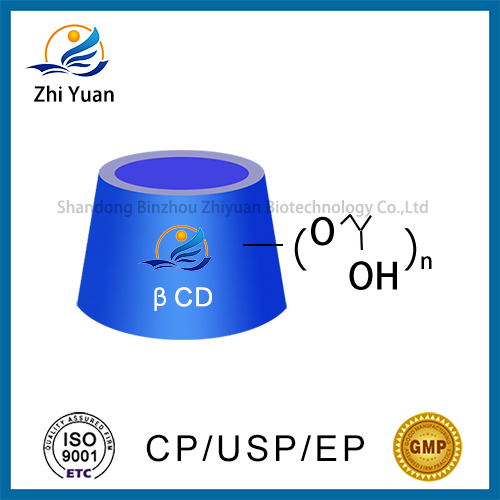
Appearance: white poder; non-toxic; odorless; sweet
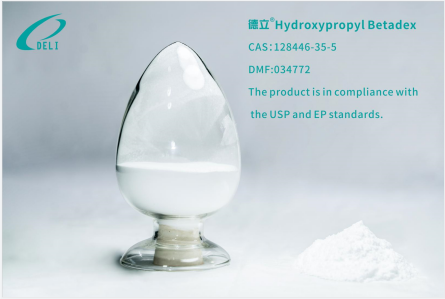
CAS:128446-35-5;94035-02-6
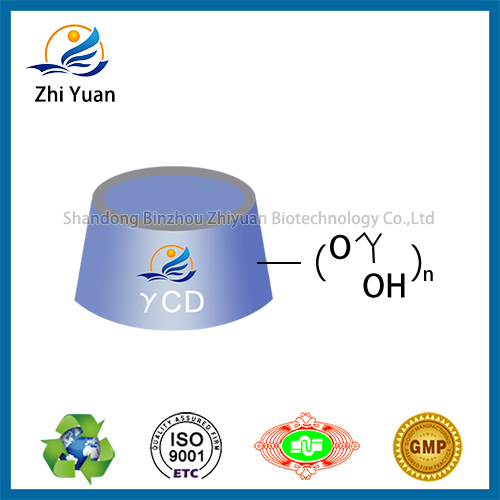
Hydroxypropyl betadex is a hydroxyalkylated derivative of beta cyclodextrin.Because of its special structure,it can improve the solubility of insoluble drugs and make insoluable or insoluble drugs dissolyed in water.
We product by USP,EP and ChP,and when you are going to buy,please tell me which kind of standard you need,so that we can give you the right batch.
*The following content is generated by AI and is for reference only.
Hydroxypropyl cyclodextrin (HPCD) represents a significant advancement in the field of pharmaceutical and food science, serving as a versatile excipient for enhancing the solubility and stability of poorly water-soluble compounds. Derived from natural cyclodextrins through chemical modification with propylene oxide, this derivative possesses a unique toroidal structure featuring a hydrophilic outer surface and a hydrophobic central cavity. This architecture allows HPCD to form inclusion complexes with a wide range of active ingredients, effectively shielding them from degradation while significantly improving their bioavailability.
The primary application of Hydroxypropyl cyclodextrin lies in drug formulation, where it is extensively utilized to dissolve lipophilic drugs such as steroids, antifungals, and anticancer agents. By encapsulating these molecules within its cavity, manufacturers can create stable oral solutions, injectables, and topical preparations that were previously difficult to administer. Beyond the pharmaceutical sector, HPCD finds extensive use in the food industry as a flavor stabilizer and carrier, preventing oxidation and volatilization of essential oils and fragrances. It is also employed in cosmetic formulations to enhance the delivery of active skincare ingredients.
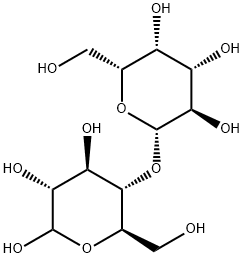
From a regulatory standpoint, Hydroxypropyl cyclodextrin is generally recognized as safe (GRAS) by the FDA when used within specified limits, making it a preferred choice over older derivatives like sulfobutyl ether beta-cyclodextrin due to its favorable safety profile regarding renal toxicity. The specific molecular formula for the most common variants, such as 2-hydroxypropyl-beta-cyclodextrin, varies slightly based on the degree of substitution, but the general composition reflects a glucose polymer backbone modified with hydroxypropyl groups. Its CAS number typically falls within the range of 10016-20-7 for the beta-form, though specific grades may have distinct identifiers. Commercially available HPCD is offered in various grades, including pharmaceutical grade and food grade, ensuring compliance with international quality standards. As research continues to expand into gene therapy and targeted drug delivery systems, the demand for high-purity Hydroxypropyl cyclodextrin is expected to grow, solidifying its role as an indispensable tool in modern material science and therapeutic development.





 (All Rights Reserved)