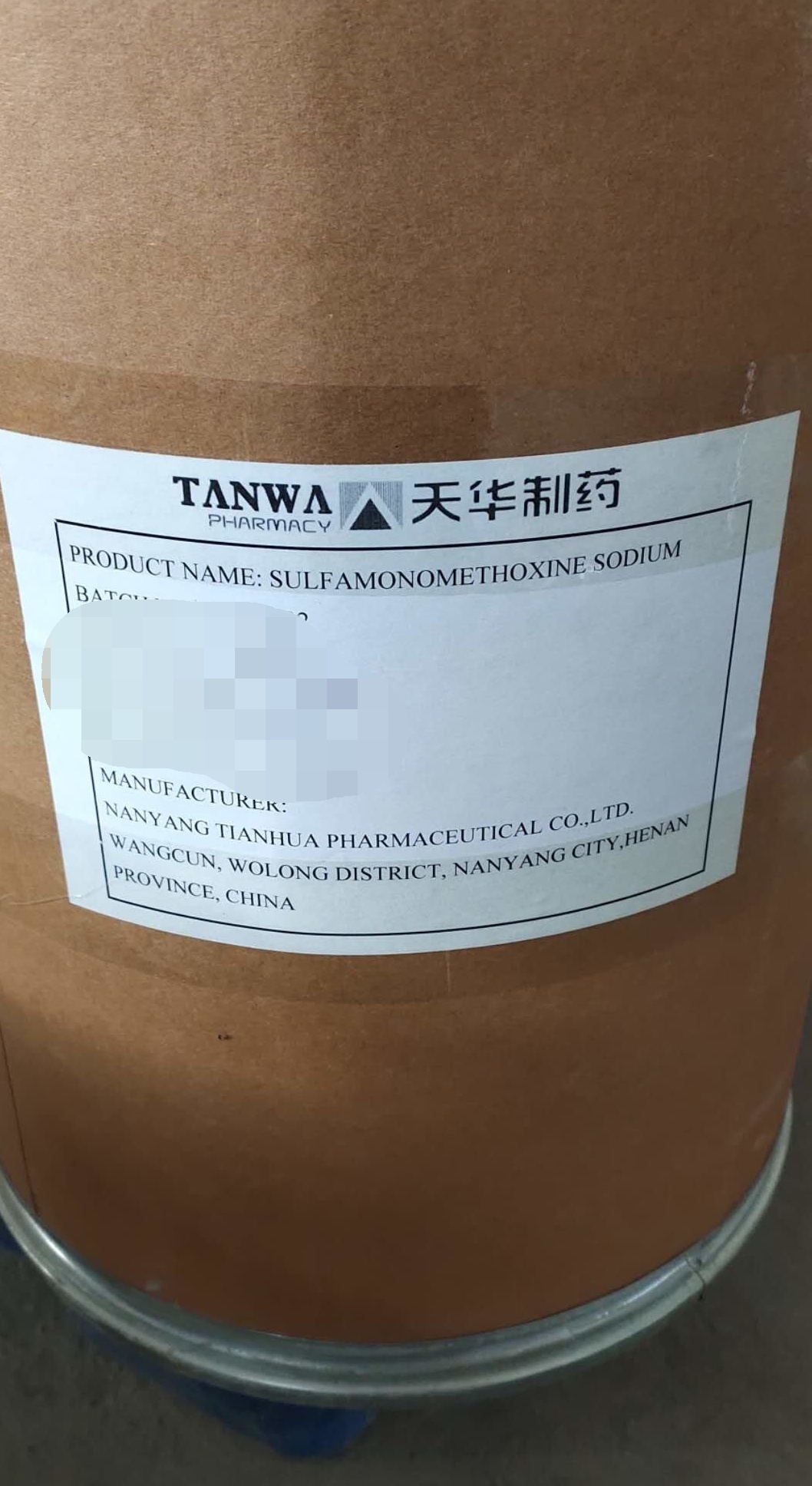
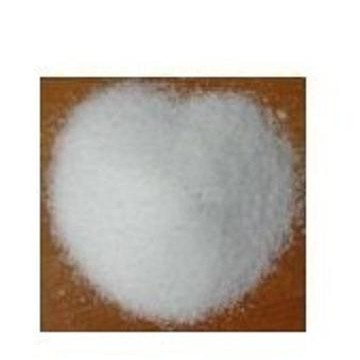
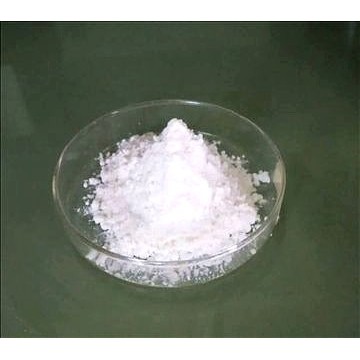
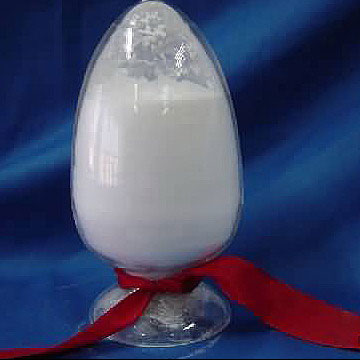
White or white crystalline powder, odourless, tasteless.
Applies to goods caused by sensitive bacteria urinary tract infection, intestinal infection and skin soft tissue infection, also used for livestock and poultry diarrhea, dysentery, cholera, typhoid, coccidiosis, atrophic rhinitis
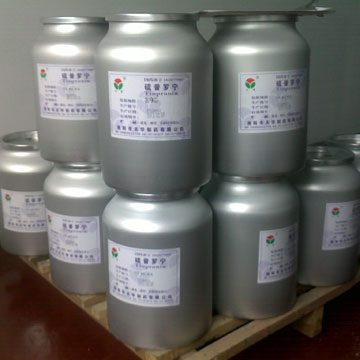
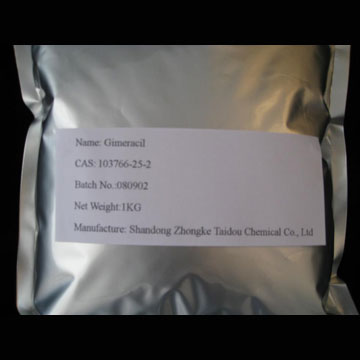
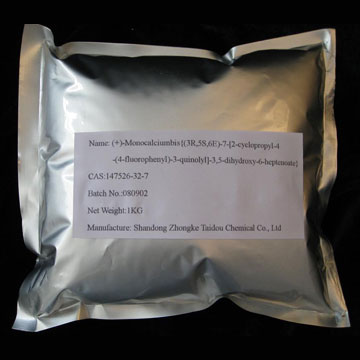
Specifications: 1 kg/bag, 5 kg / 10 kg / 25 kg/barrel
*The following content is generated by AI and is for reference only.
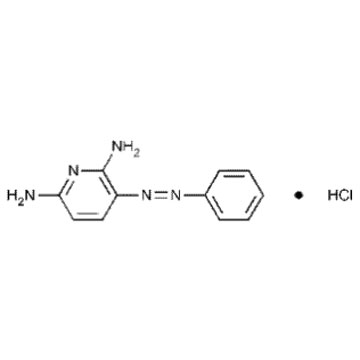
Sulfamonomethoxine, chemically known as 4-amino-N-(5-methyl-1,3,4-thiadiazol-2-yl)benzenesulfonamide, is a long-acting sulfonamide antibiotic widely utilized in veterinary medicine. Its molecular formula is C10H11N5O2S, and it carries the CAS registry number 1228-79-9. This compound functions primarily as a bacteriostatic agent by competitively inhibiting dihydropteroate synthase, an enzyme essential for bacterial folate synthesis. By blocking this pathway, Sulfamonomethoxine prevents bacteria from producing nucleic acids and proteins necessary for growth and replication, effectively controlling susceptible infections without killing them immediately.
The drug exhibits excellent bioavailability after oral administration and maintains therapeutic blood levels for an extended period due to its slow excretion rate. This pharmacokinetic profile allows for less frequent dosing compared to short-acting sulfonamides, improving compliance in livestock management. It is predominantly used to treat respiratory tract infections, enteritis, and urinary tract disorders in various animals, including poultry, swine, cattle, and fish. In aquaculture, it is particularly valued for managing bacterial gill disease and other systemic infections in farmed fish species.
Despite its efficacy, the use of Sulfamonomethoxine is strictly regulated globally due to concerns regarding drug residues in food-producing animals and the potential development of antimicrobial resistance. Regulatory agencies enforce maximum residue limits (MRLs) to ensure that meat, milk, and egg products are safe for human consumption. Consequently, withdrawal periods must be strictly observed before animals enter the food chain. While newer alternatives exist, Sulfamonomethoxine remains a cost-effective and reliable tool in integrated animal health programs when used responsibly under veterinary supervision. Its role underscores the balance between effective disease control and public safety in modern agriculture.





 (All Rights Reserved)