Product Description
Characteristics
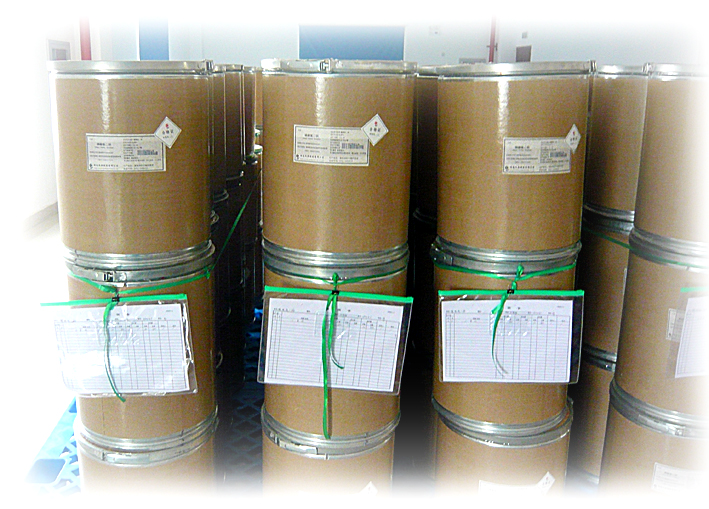
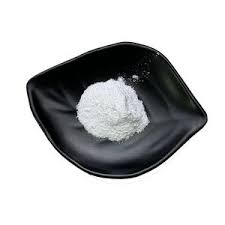
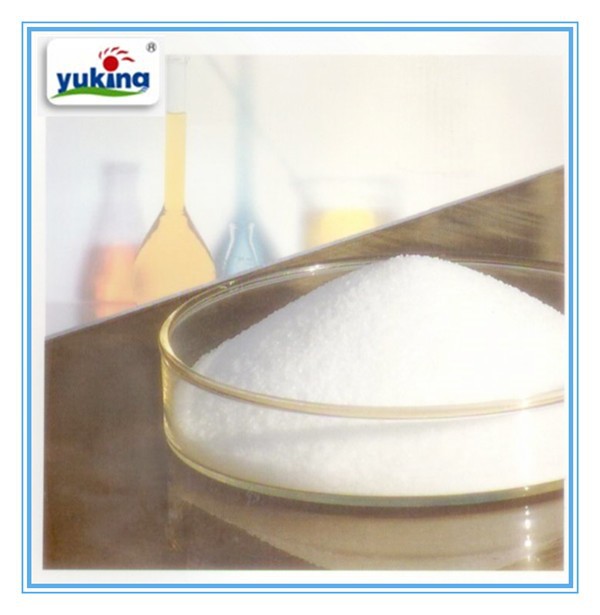
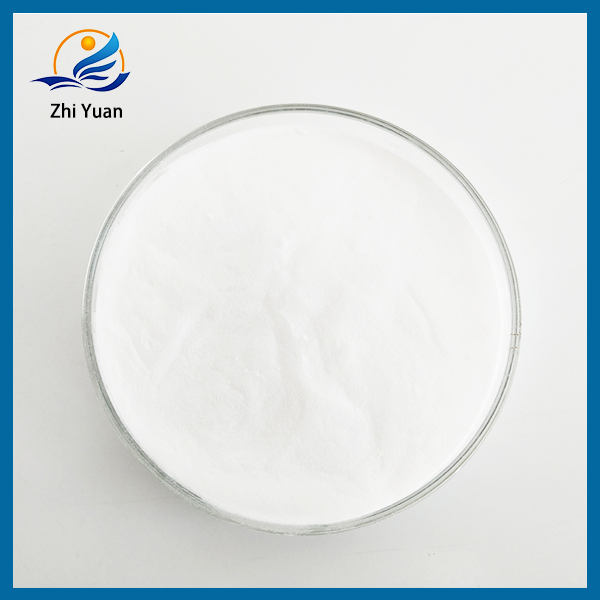
White, crystalline powder or lustrous, dry, colorless or white crystals. Very soluble in water; slightly soluble in alcohol; practically insoluble in dehydrated alcohol
AI Product Description
*The following content is generated by AI and is for reference only.
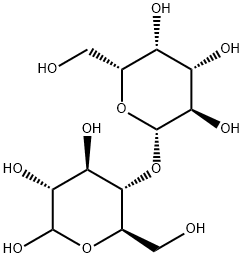
Sucrose, commonly known as table sugar, is a naturally occurring disaccharide composed of one molecule of glucose and one molecule of fructose linked by an α-1,2-glycosidic bond. Its chemical formula is C₁₂H₂₂O₁₁, and it carries the CAS Registry Number 57-50-1. This white, crystalline solid is highly soluble in water and serves as a primary source of energy for living organisms. Historically derived from sugarcane and sugar beets, sucrose has been a staple ingredient in human diets for centuries due to its sweetness and versatility.
In the food and beverage industry, sucrose is indispensable. It acts not only as a sweetener but also as a preservative, texture modifier, and color developer in baking and confectionery manufacturing. Its ability to interfere with ice crystal formation makes it crucial in producing smooth ice creams and frozen desserts. Furthermore, sucrose provides bulk and structure to cakes, cookies, and breads, influencing their mouthfeel and shelf life. Beyond direct consumption, it plays a significant role in industrial applications, including the production of ethanol through fermentation and as a raw material for synthesizing various organic compounds like citric acid and sorbitol.
Pharmaceutical formulations often utilize sucrose as an excipient. It stabilizes vaccines, masks bitter tastes in liquid medications, and serves as a filler in tablet compression processes. In cosmetics, it functions as a humectant, helping to retain moisture in skin care products and hair conditioners. Despite its widespread utility, excessive consumption of sucrose is linked to health issues such as obesity, type 2 diabetes, and dental caries, prompting global health organizations to recommend limiting intake. Nevertheless, its unique physicochemical properties ensure that sucrose remains a fundamental component across diverse sectors, bridging the gap between culinary arts, industrial chemistry, and pharmaceutical science. As a renewable resource, ongoing research focuses on sustainable extraction methods to meet growing global demand while minimizing environmental impact.





 (All Rights Reserved)