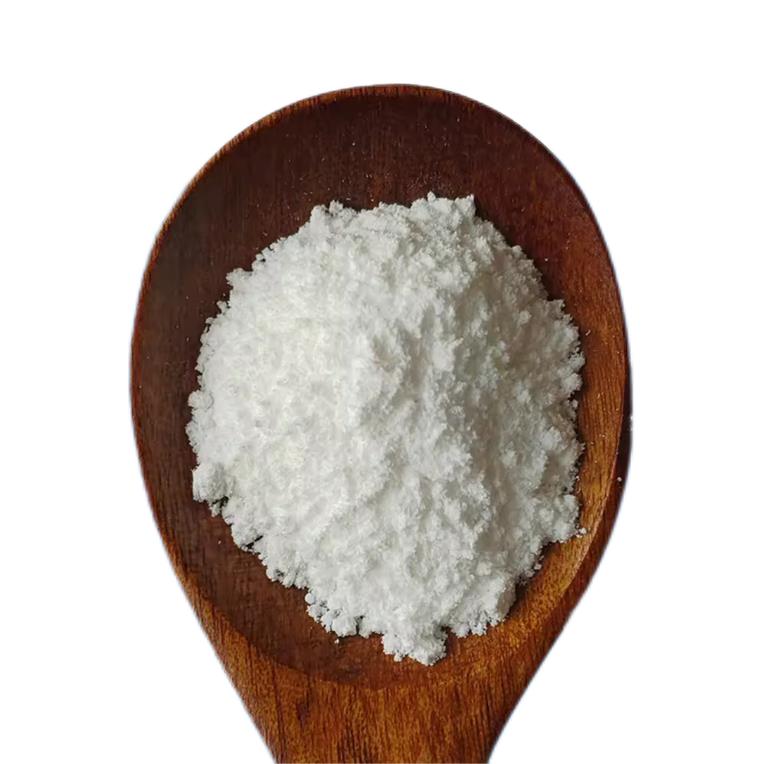
Stevia extract is extracted from the leaves of the Asteraceae plant Stervia rebaudiana. The main active ingredient is stevioside, which is used as a sweetener. It has the effects of lowering blood sugar, lowering blood pressure, promoting metabolism, and treating excessive gastric acid.
*The following content is generated by AI and is for reference only.
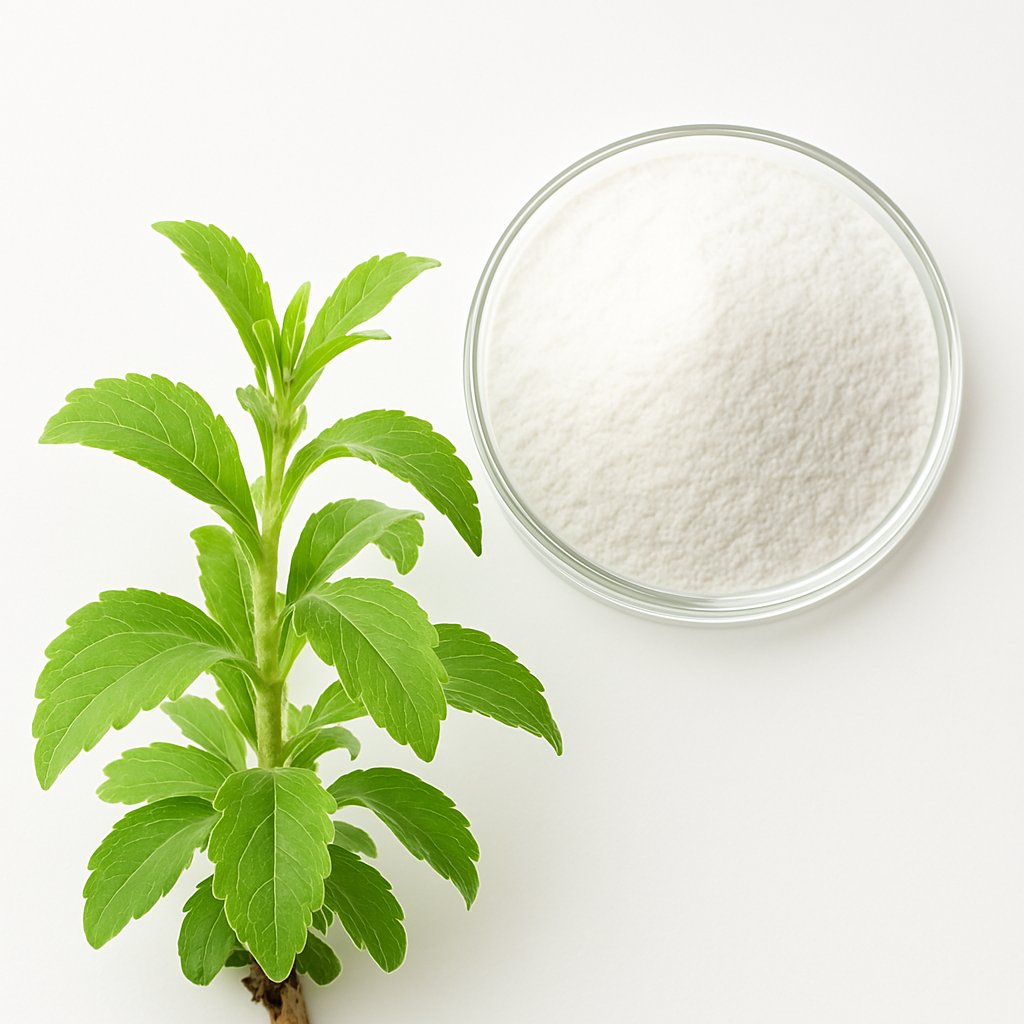
Stevia extract, derived from the leaves of *Stevia rebaudiana* Bertoni, a plant native to South America, has emerged as a premier natural sweetener in the global food and beverage industry. Chemically, its sweetness is primarily attributed to diterpene glycosides known as steviol glycosides, with Rebaudioside A (Reb A) and Stevioside being the most abundant and commercially significant compounds. The molecular formula for Stevioside is C38H60O18, while Reb A is C44H70O23. These compounds possess a Cas number of 578-17-2 for Stevioside and 58543-16-9 for Rebaudioside A. Unlike sugar, stevia extracts contain zero calories and do not raise blood glucose levels, making them an ideal alternative for diabetic patients and individuals managing weight or metabolic disorders.
The production process involves extracting dried leaves using water or ethanol, followed by purification to isolate high-purity glycosides. This results in a product that is approximately 200 to 300 times sweeter than sucrose, depending on the specific glycoside profile and purity level. Due to its intense sweetness and lack of aftertaste in modern formulations, it is widely utilized across diverse sectors including soft drinks, dairy products, confectionery, baked goods, and tabletop sweeteners. Its thermal stability allows it to withstand baking temperatures, while its compatibility with various pH ranges ensures versatility in acidic beverages. Furthermore, regulatory bodies such as the FDA and EFSA have approved specific steviol glycosides for general use, solidifying its status as a safe and natural ingredient. As consumer demand shifts toward clean-label and low-calorie options, Stevia extract continues to play a pivotal role in reformulating products to meet health-conscious preferences without compromising taste. Its ability to enhance flavor profiles while reducing caloric intake positions it as a cornerstone ingredient in the evolving landscape of functional nutrition and healthy eating trends worldwide.





 (All Rights Reserved)