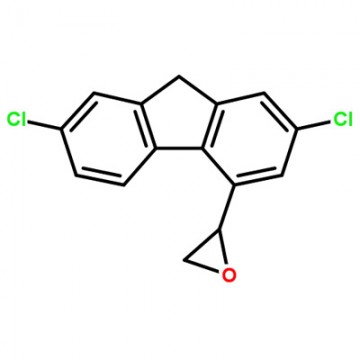
- Step3(orN-2step)Intermediate of Lumefantrine
Quality standard:CP2010
Quality index:
Property:off white crystalline powder
Assay:>97.0%(HPLC)
Application: Step3(orN-2step)Intermediate of Lumefantrine
Application: Intermediate of Lumefantrine
*The following content is generated by AI and is for reference only.
Lumefantrine is a widely recognized antimalarial agent, typically used in combination with artemether as Coartem for the treatment of uncomplicated *Plasmodium falciparum* malaria. The specific entity referred to as "Step 3 (or N-2 step) Intermediate of Lumefantrine" represents a crucial precursor in the complex multi-step synthetic pathway required to manufacture the final active pharmaceutical ingredient (API). While exact chemical identifiers such as the CAS number and molecular formula can vary depending on the specific synthesis route employed by different manufacturers or research institutions, this intermediate generally corresponds to a partially functionalized biphenyl derivative containing essential structural motifs found in the final drug molecule.
In the context of pharmaceutical development, this intermediate serves as a pivotal building block. It is synthesized early in the process to ensure high purity and stereochemical integrity before undergoing further transformations, such as coupling reactions or reduction steps, to yield the final lumefantrine structure. Because the synthesis of lumefantrine involves intricate organic chemistry, controlling the quality of this intermediate is paramount for regulatory compliance and product efficacy. Manufacturers utilize rigorous analytical techniques like HPLC, NMR, and mass spectrometry to characterize these intermediates, ensuring they meet strict specifications before proceeding to the next stage.
The primary application of this Step 3 intermediate is strictly within the domain of pharmaceutical manufacturing. It is not intended for direct therapeutic use but acts as a vital raw material for API production facilities. By optimizing the yield and purity of this intermediate, pharmaceutical companies can enhance the overall efficiency of lumefantrine production, reduce costs, and minimize environmental waste associated with side products. As global efforts to combat malaria continue, maintaining a robust supply chain for high-quality precursors like this intermediate remains essential for meeting international demand. Researchers and industrial chemists continuously explore improved synthetic routes to streamline the conversion of this intermediate into the final drug, aiming to create more sustainable and cost-effective manufacturing processes for this life-saving medication.









![4-[[[[6-[(Diethylamino)methyl]-2-naphthalenylmethoxy]carbonyllaminolbenzoic acid](https://eimg.pharmasources.com/image/20241206/xJCFsdgfMrHzqjtgeOixhGQHgVbKi7kAcoEqemzE.jpg)




 (All Rights Reserved)