Product Description
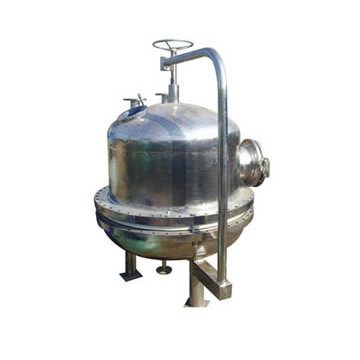
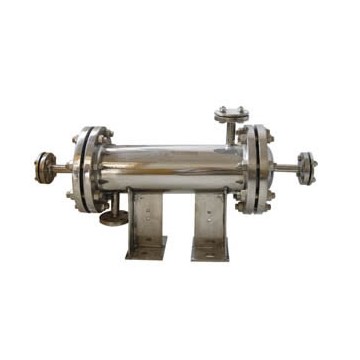
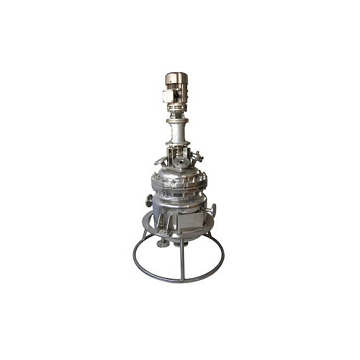
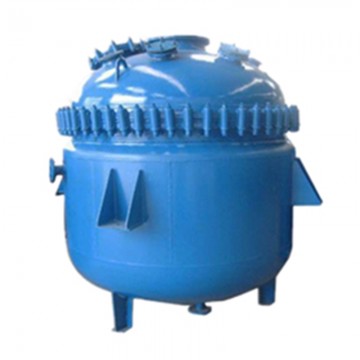
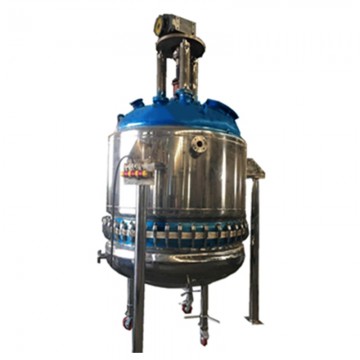
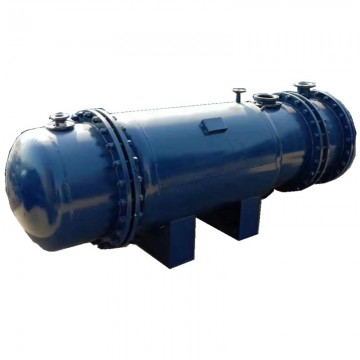
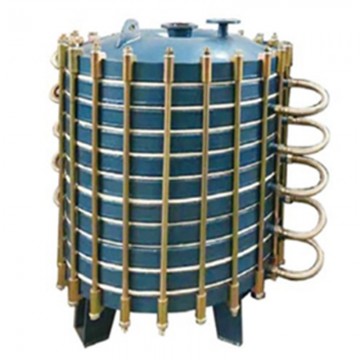
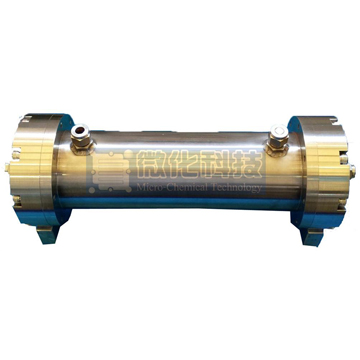
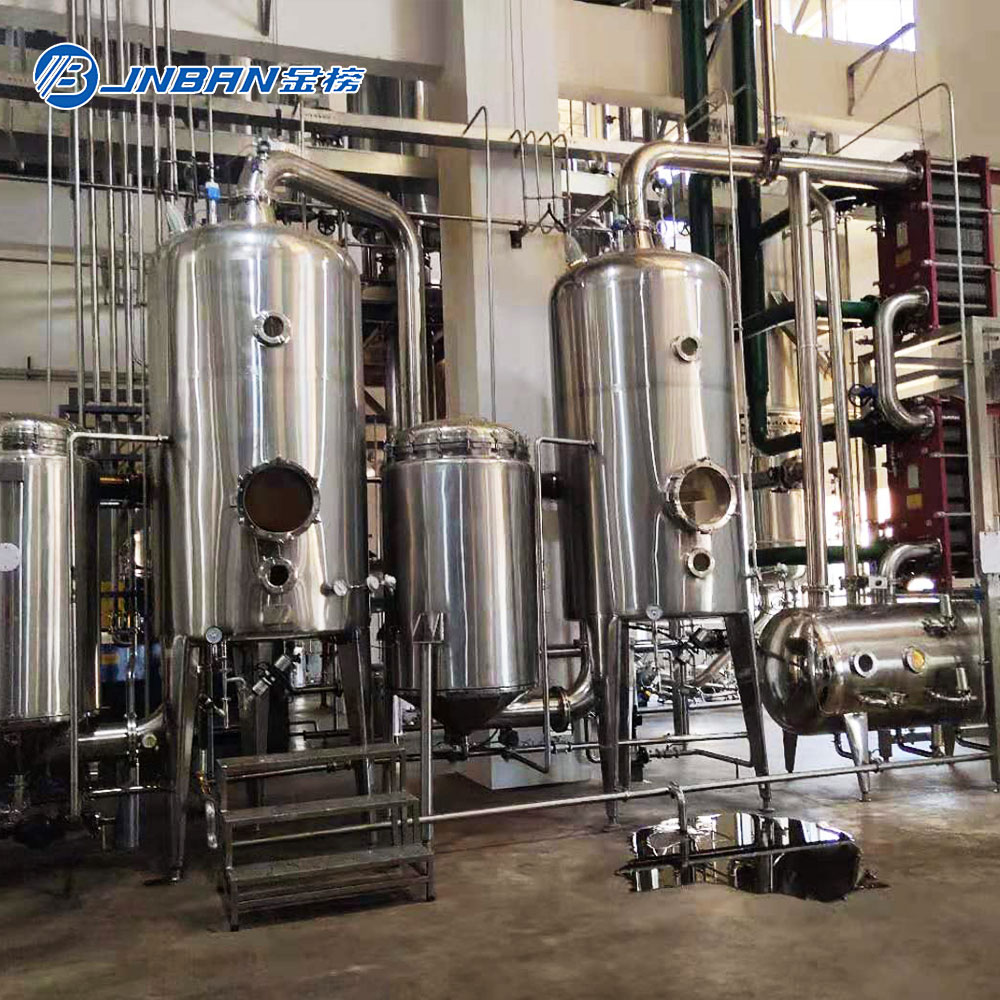
Our GMP equipments have the advantage of security, stability, reliability, shinning appearance, easily to cleaning, disinfection and sterilization. It takes measures such as dust-proof, leak-proof, heat insulation, anti-noise, etc. This whole meet the demands of drug(drugs) process function and requirements, and assure safety and health.
AI Product Description
*The following content is generated by AI and is for reference only.
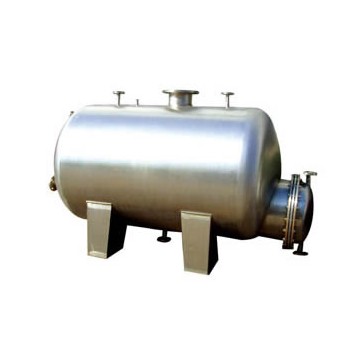
The product in question is a versatile industrial vessel designed primarily for the safe containment, mixing, and processing of various liquids and semi-solids. Widely utilized across sectors such as food and beverage, pharmaceuticals, chemical manufacturing, and water treatment, these tanks serve as critical infrastructure for maintaining hygiene and operational efficiency. Their primary function involves storing raw materials, intermediate products, or finished goods while facilitating processes like heating, cooling, agitation, and fermentation under controlled conditions.
Constructed from high-grade corrosion-resistant alloys, often featuring a polished interior surface, these units ensure product purity by preventing contamination and minimizing bacterial growth. The robust design allows them to withstand significant internal pressure and temperature fluctuations, making them suitable for both ambient storage and demanding thermal processes. Common applications include holding potable water, brewing beer, mixing dairy ingredients, storing aggressive chemicals, or managing wastewater before discharge.
Several key precautions must be observed during operation to ensure safety and longevity. First, regular cleaning and sanitization are mandatory to prevent cross-contamination and biofilm formation, especially in food-grade applications. Operators should strictly adhere to maximum fill levels to avoid overflow risks during agitation or thermal expansion. Proper ventilation is essential when storing volatile substances to mitigate explosion hazards. Furthermore, all access points, valves, and instrumentation must be inspected frequently for leaks or wear. Thermal shock should be avoided by gradually introducing hot or cold fluids to prevent structural stress. Finally, personnel handling these vessels must wear appropriate personal protective equipment (PPE) and follow established lockout/tagout procedures during maintenance. Adhering to these guidelines guarantees optimal performance, extends equipment lifespan, and maintains a secure working environment for all operators involved in the production cycle.





 (All Rights Reserved)