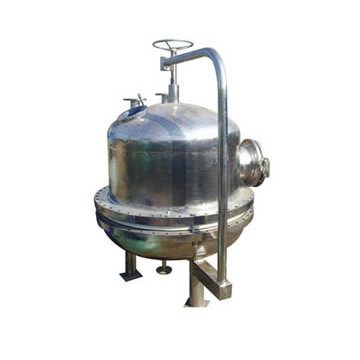
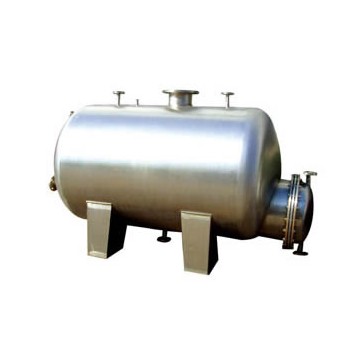
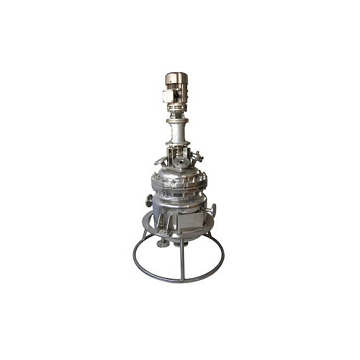
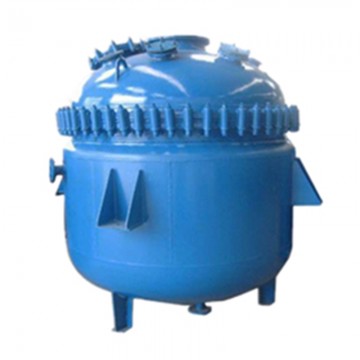
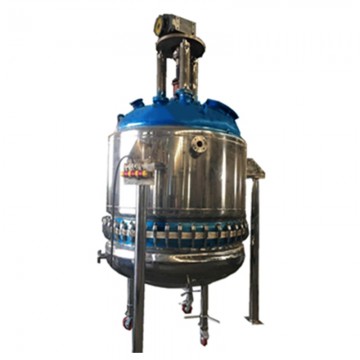
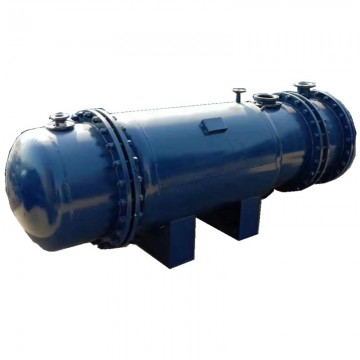
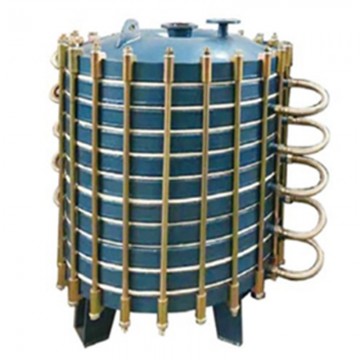
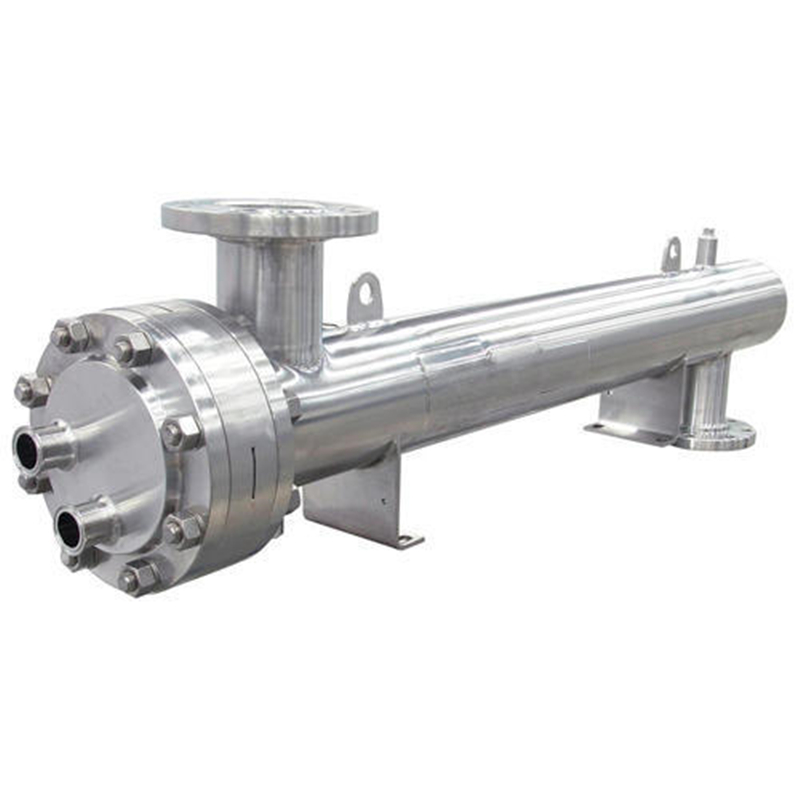
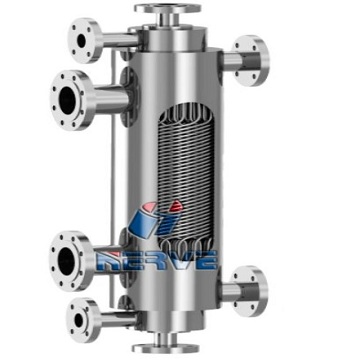
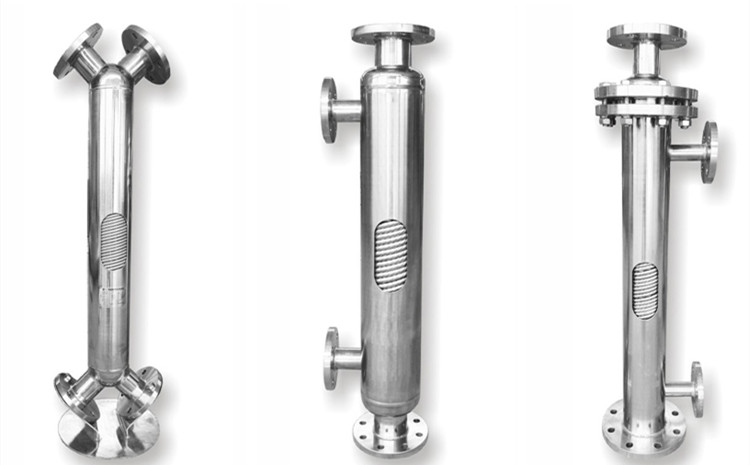
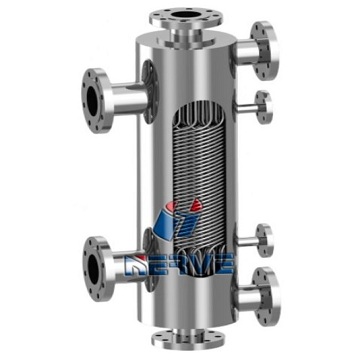
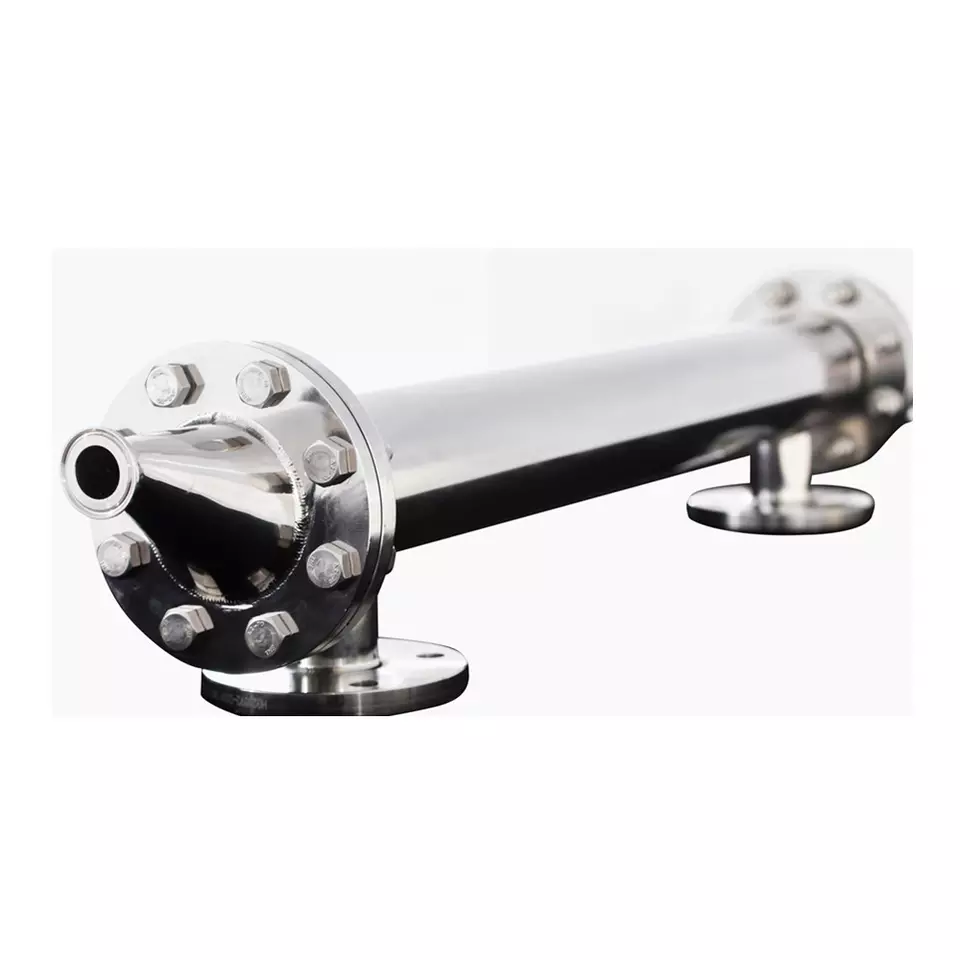
Our GMP equipments have the advantage of security, stability, reliability, shinning appearance, easily to cleaning, disinfection and sterilization. It takes measures such as dust-proof, leak-proof, heat insulation, anti-noise, etc. This whole meet the demands of drug(drugs) process function and requirements, and assure safety and health.
*The following content is generated by AI and is for reference only.
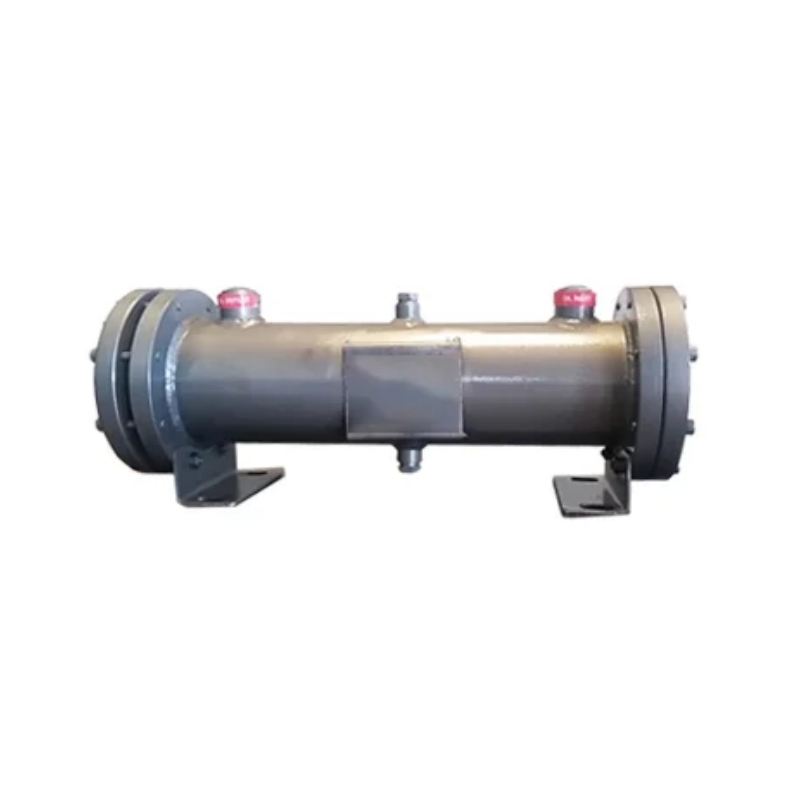
This industrial component serves as a critical thermal management device, designed to efficiently transfer heat between two or more fluids without allowing them to mix. Typically constructed from corrosion-resistant alloys, it finds extensive application across diverse sectors including HVAC systems, chemical processing, food and beverage production, and power generation. Its primary function is to either cool down hot process liquids using a cooling medium or to heat up cold fluids by utilizing steam or hot water, ensuring optimal operating temperatures for machinery and products alike.
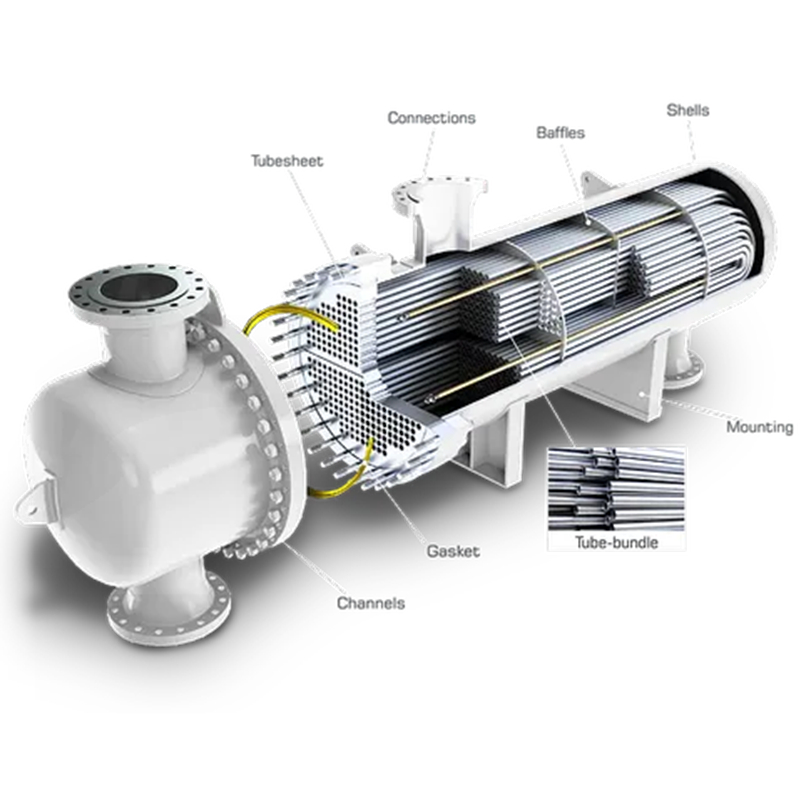
The internal architecture often features a compact bundle of tubes or plates that maximize surface area contact, thereby enhancing heat exchange efficiency while minimizing the overall footprint. This design allows for precise temperature control, which is vital for maintaining product quality in sensitive industries like dairy processing or pharmaceutical manufacturing. Furthermore, these units are engineered to withstand high pressures and varying flow rates, making them suitable for demanding continuous operation environments.
When installing and operating this equipment, several key precautions must be observed to ensure longevity and safety. First, regular inspection for signs of leakage or corrosion is essential, as even minor breaches can compromise system integrity and fluid purity. Proper alignment during installation prevents undue stress on connections and flanges. Operators should strictly adhere to specified pressure and temperature limits outlined by the manufacturer to avoid structural failure. Additionally, routine cleaning and descaling are necessary to prevent fouling, which significantly reduces thermal efficiency over time. Water treatment protocols should be implemented if the fluids contain minerals prone to scaling. Finally, always follow lockout/tagout procedures during maintenance to isolate energy sources safely. By integrating rigorous operational standards and preventive maintenance schedules, facilities can achieve reliable performance, energy savings, and extended service life for this indispensable thermal asset.





 (All Rights Reserved)