Product Description
please call me , to know more
AI Product Description
*The following content is generated by AI and is for reference only.
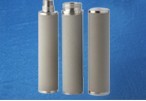
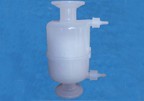
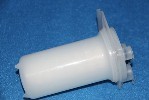
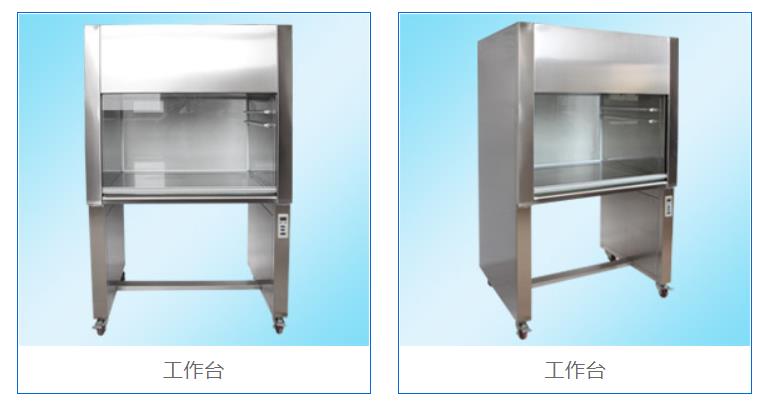
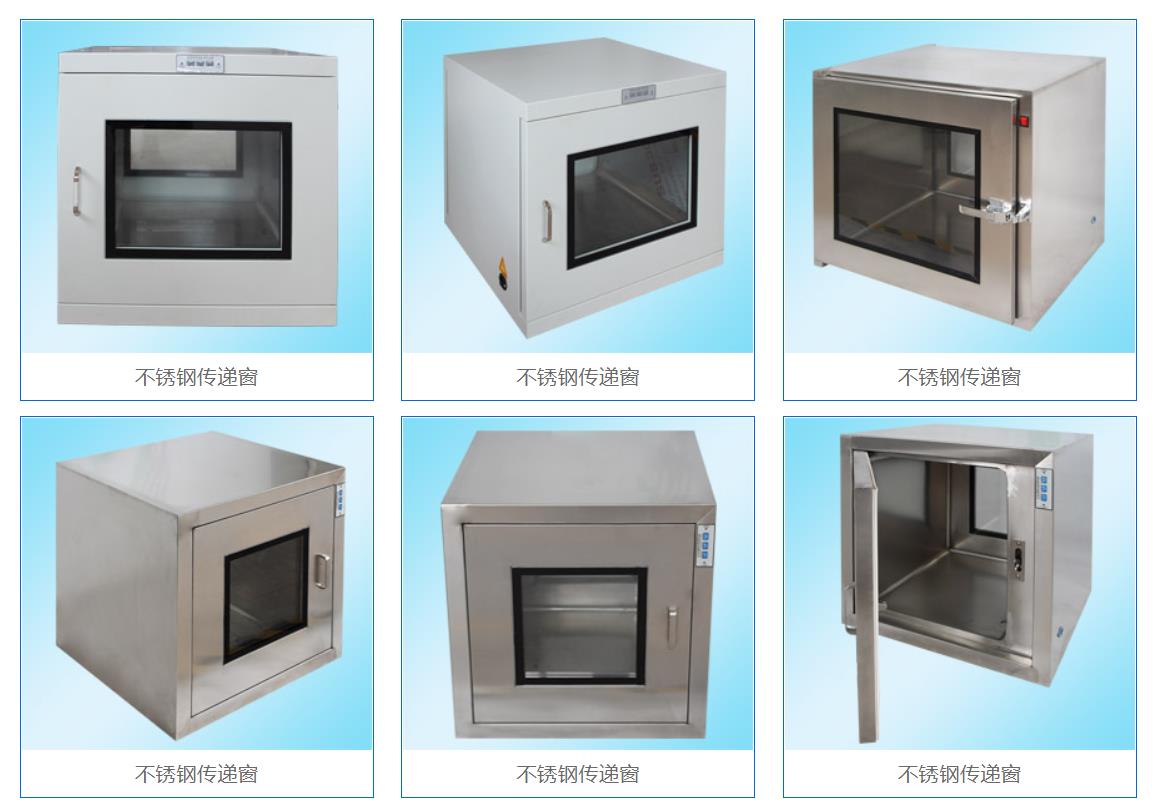
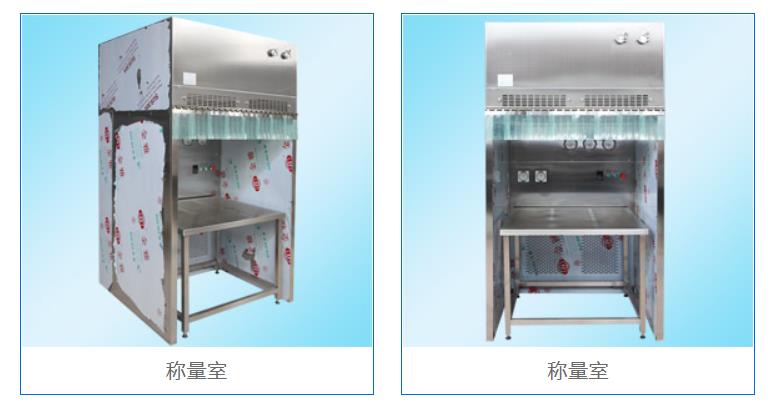
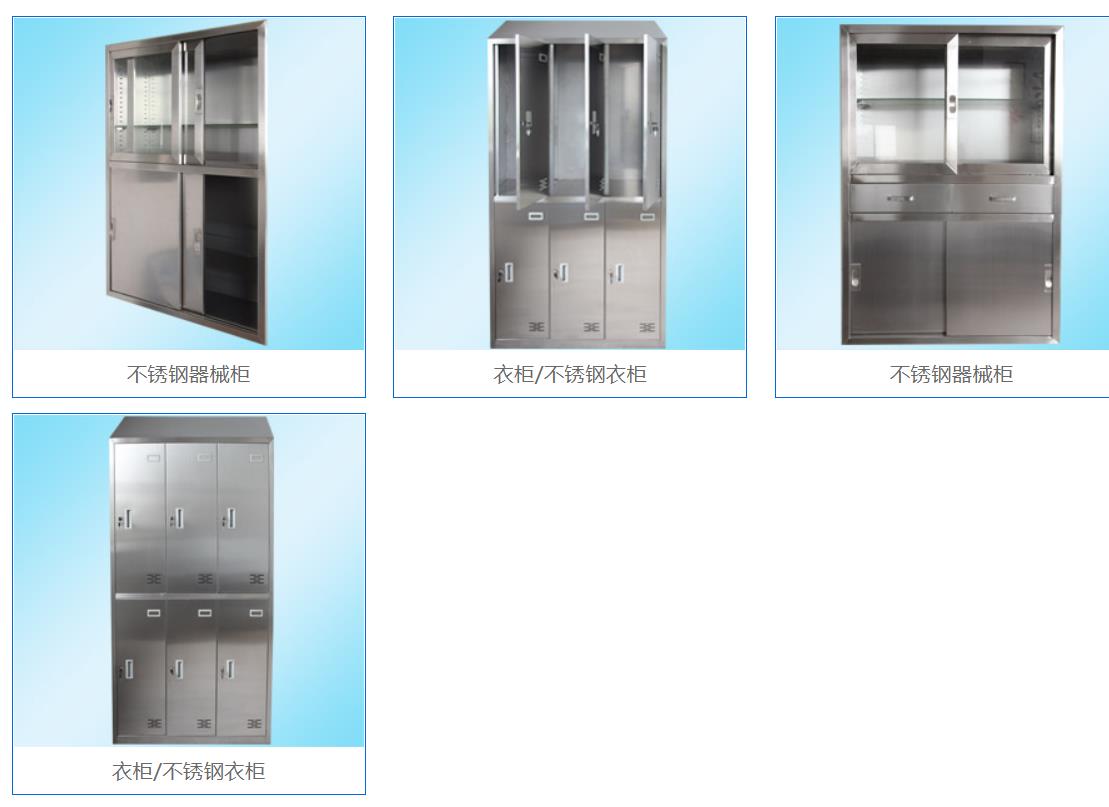
The product described, commonly referred to as an SS Gas/Air Housing, is a specialized enclosure designed for industrial environments where corrosive gases or high-pressure air systems operate. Constructed primarily from stainless steel, these housings serve as protective barriers for sensitive electronic components, sensors, and control mechanisms. Their primary function is to shield internal equipment from harsh atmospheric conditions, including moisture, dust, chemical fumes, and extreme temperature fluctuations, ensuring long-term operational reliability in demanding sectors such as petrochemical processing, pharmaceutical manufacturing, wastewater treatment, and marine applications.
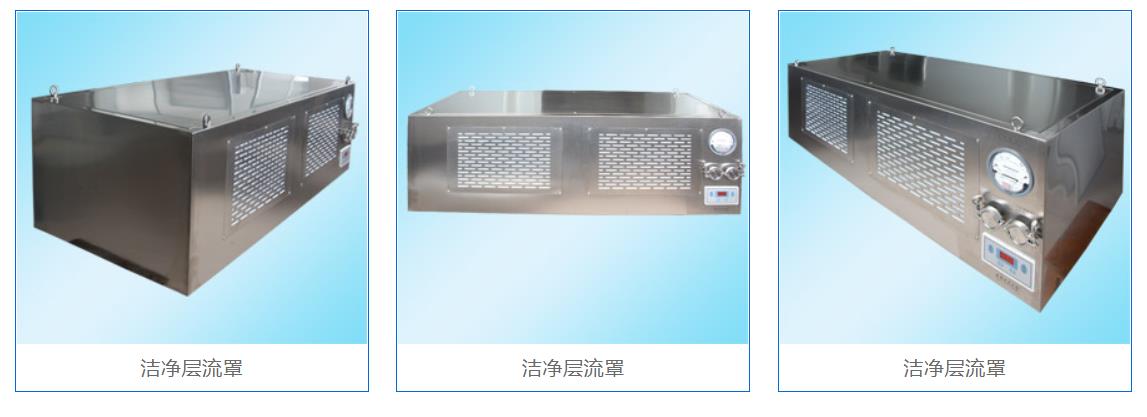
A critical feature of these units is their hermetic sealing capability, which often meets rigorous IP ratings (such as IP66 or IP67) to prevent ingress of particulates and liquids. The stainless steel construction provides exceptional resistance to oxidation and corrosion, making them ideal for facilities exposed to acidic vapors or saline environments. Furthermore, the design typically incorporates thermal management solutions, allowing heat dissipation while maintaining a sealed interior, which prevents overheating of enclosed electronics without compromising safety.
When deploying these housings, several precautions must be observed to ensure optimal performance and safety. First, proper grounding is essential to mitigate electrostatic discharge risks, especially in explosive atmospheres where certified intrinsically safe models are required. Second, installation must strictly follow manufacturer guidelines regarding cable entry points and conduit fittings to maintain the integrity of the seal; any breach can lead to rapid equipment failure. Regular inspection of gaskets and seals is necessary to detect wear or degradation caused by UV exposure or chemical contact. Additionally, before opening the housing for maintenance, operators must verify that the internal pressure has been equalized and that no hazardous gas remains trapped inside. Finally, selecting the correct grade of stainless steel, such as 316L for superior chloride resistance, is vital depending on the specific chemical composition of the environment. Adhering to these protocols ensures the longevity of the system and the safety of personnel working within hazardous zones.






 (All Rights Reserved)