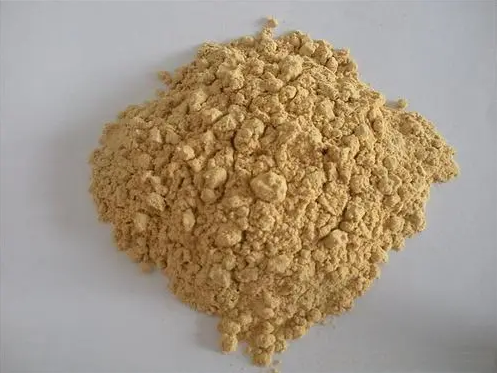
Product Description
please call me ,to know more
AI Product Description
*The following content is generated by AI and is for reference only.
Sparteine, chemically known as (1R,2S,8R,9S)-1,2,8,9-tetramethyl-3,6-diazabicyclo[4.3.0]non-7-ene, is a naturally occurring quinolizidine alkaloid primarily isolated from the seeds of the plant *Sophora japonica* (now often classified under *Stylosanthes* or related leguminous species). Its molecular formula is C15H24N2, and it carries the CAS Registry Number 138-39-0. This optically active compound serves as a cornerstone in modern asymmetric synthesis due to its exceptional ability to induce chirality in chemical reactions.
The most prominent application of sparteine lies in its role as a chiral ligand and phase-transfer catalyst. It is famously utilized in the enantioselective deprotonation of alkyl-substituted amines and the kinetic resolution of racemic mixtures. When complexed with organolithium reagents, sparteine forms highly organized aggregates that facilitate the precise formation of specific stereoisomers, making it indispensable for synthesizing complex pharmaceutical intermediates and natural products where stereochemical purity is critical. Beyond laboratory synthesis, its unique structural properties allow it to function as a resolving agent for separating enantiomers in industrial processes.
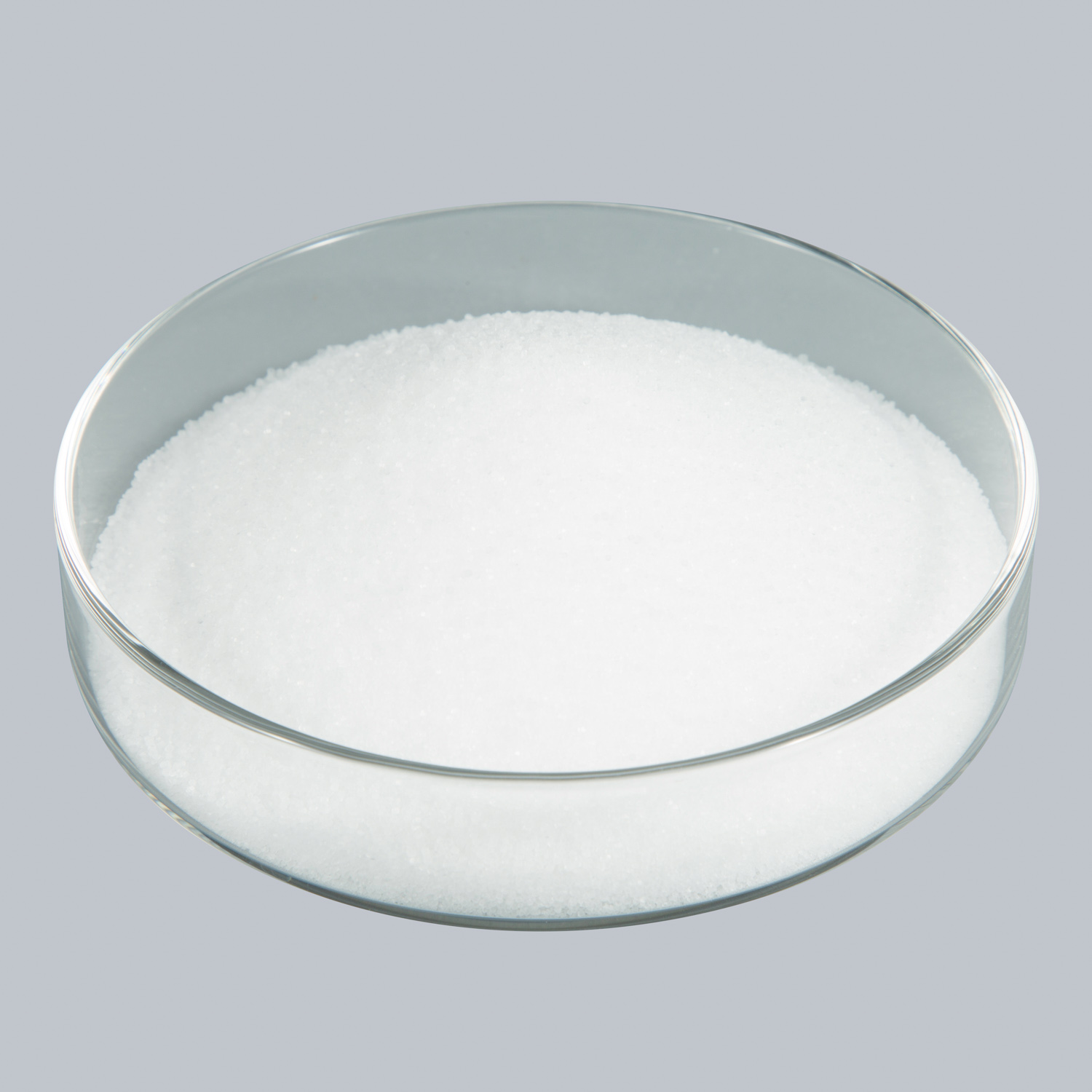
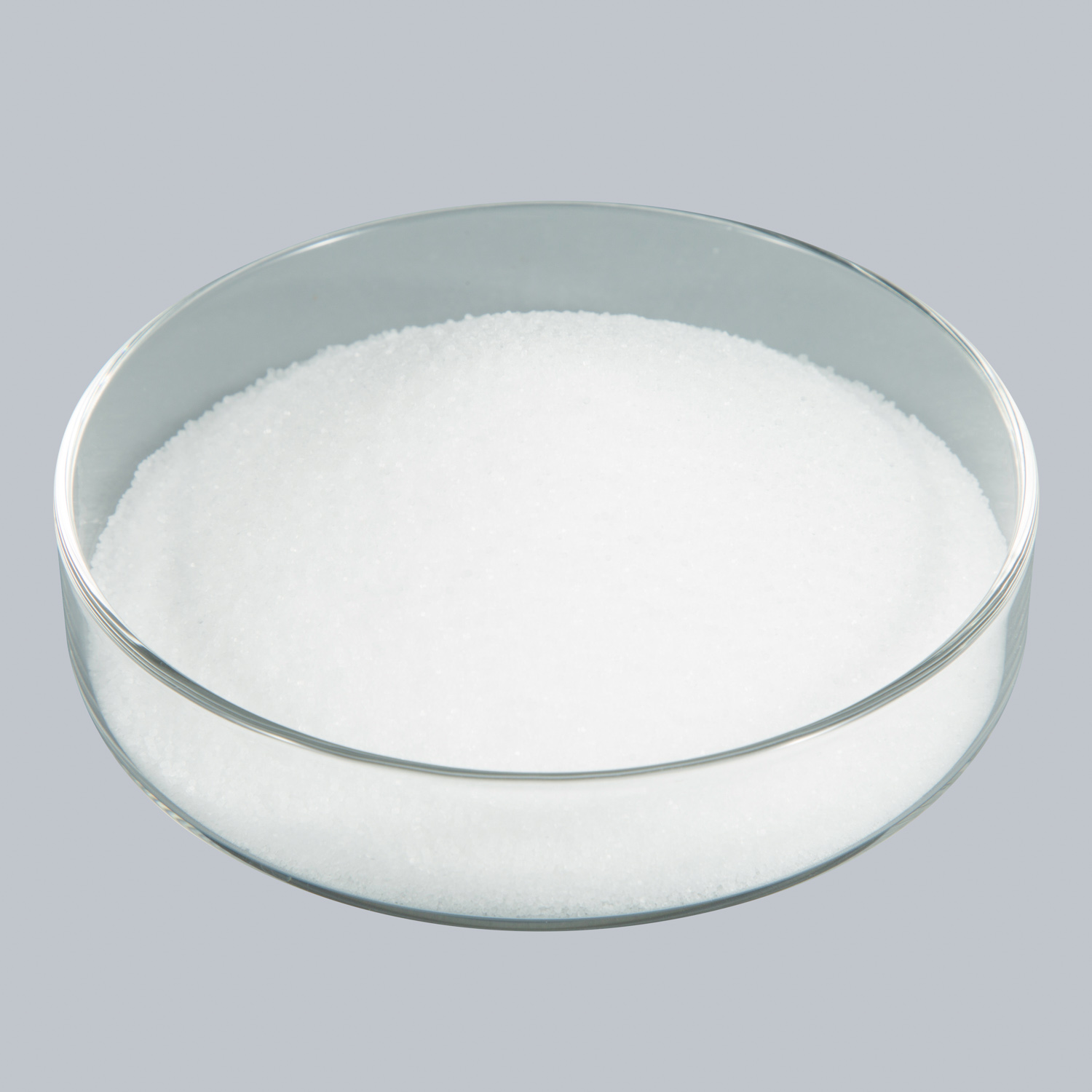
Historically, sparteine was also investigated for its pharmacological activities, including its potential use as a cardiac stimulant and antispasmodic agent, though these applications have largely been superseded by more selective synthetic drugs. Today, its value is almost exclusively tied to organic chemistry research and manufacturing. The compound is typically handled as a colorless to pale yellow liquid or crystalline solid, requiring careful storage due to its basicity and sensitivity to oxidation. Researchers worldwide rely on sparteine to unlock new pathways in drug discovery, materials science, and agrochemical development, ensuring high optical purity in final products. Its continued relevance underscores the vital connection between natural product chemistry and advanced synthetic methodology, driving innovation across multiple scientific disciplines while maintaining rigorous safety standards during handling and application.






 (All Rights Reserved)