Product Description
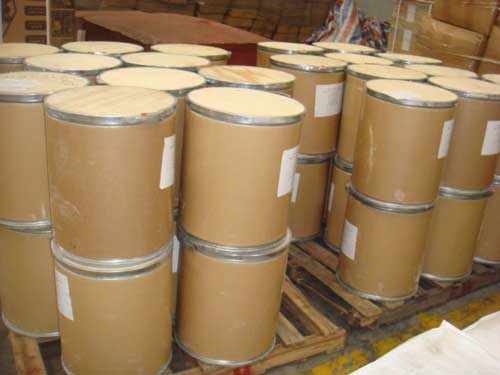
Soybean oil 10%~40%Plant extract Pharmaceutical made in china 8001-22-7
AI Product Description
*The following content is generated by AI and is for reference only.
The product described as "Soybean oil 10%~40% Plant extract Pharmaceutical made in China" does not correspond to a single chemical entity with a unique molecular formula or CAS number. Instead, it represents a pharmaceutical formulation or a semi-finished intermediate composed of a mixture of natural components. Soybean oil is a complex triglyceride blend derived from *Glycine max* seeds, consisting primarily of linoleic acid, oleic acid, and palmitic acid esters, while the specific "plant extract" component varies depending on the source material (e.g., ginseng, green tea, or herbal blends) and lacks a universal identifier without further specification. Consequently, no singular CAS number exists for this specific ratio; rather, the individual constituents possess their own distinct registration numbers.
This formulation is typically utilized in the pharmaceutical industry as a versatile vehicle for drug delivery systems. The soybean oil fraction acts as an excellent lipophilic solvent, enhancing the bioavailability of poorly water-soluble active ingredients found within the plant extracts. It serves as a foundational base for oral capsules, emulsions, and topical ointments, facilitating smooth absorption through biological membranes. The inclusion of concentrated plant extracts suggests applications in nutraceuticals, anti-inflammatory therapies, or antioxidant treatments, leveraging the synergistic effects of fatty acids and phytochemicals. Manufactured in China, these products adhere to Good Manufacturing Practices (GMP), ensuring high purity and consistent quality for global export. They are extensively employed in the synthesis of soft gelatin capsules, where the oil-extract mixture provides stability and prevents oxidation of sensitive compounds. Furthermore, this combination supports transdermal patches by improving skin permeation. Due to its natural origin and biocompatibility, it is favored in modern formulations aiming for reduced side effects compared to synthetic solvents. While the exact therapeutic efficacy depends on the specific botanical extract used, the general utility lies in creating stable, effective, and patient-compliant dosage forms for treating various chronic conditions, supporting immune function, and promoting overall wellness in both human and veterinary medicine sectors.





 (All Rights Reserved)



![(3R)-3-Amino-1-[3-(Trifluoromethyl)-5,6,7,8-Tetrahydro-1,2,4-Triazolo[4,3-A]Pyrazin-7-yl]-4-(2,4,5-T](https://eimg.pharmasources.com/image/product/20250402/e43f5153f3b91f760fdee40247460568jpg)

![3-(Trifluoromethyl)-5,6,7,8-Tetrahydro-[1,2,4]Triazolo[4,3-a]Pyrazine HCL](https://eimg.pharmasources.com/image/product/20250402/8ae4dd18f1fe219e41ad63ce9b3306d7jpg)


![4-[[[[6-[(Diethylamino)methyl]-2-naphthalenylmethoxy]carbonyllaminolbenzoic acid](https://eimg.pharmasources.com/image/20241206/xJCFsdgfMrHzqjtgeOixhGQHgVbKi7kAcoEqemzE.jpg)