Product Description
[product name]: soybean extract
[Latin name]: Glycine max (Linn.) Merr.
[English name]: Soybean Extract
[Source of extraction]: Seed of the leguminous plant Glycine max (Linn.) Merr.
[product specifications]: soy isoflavones 40%
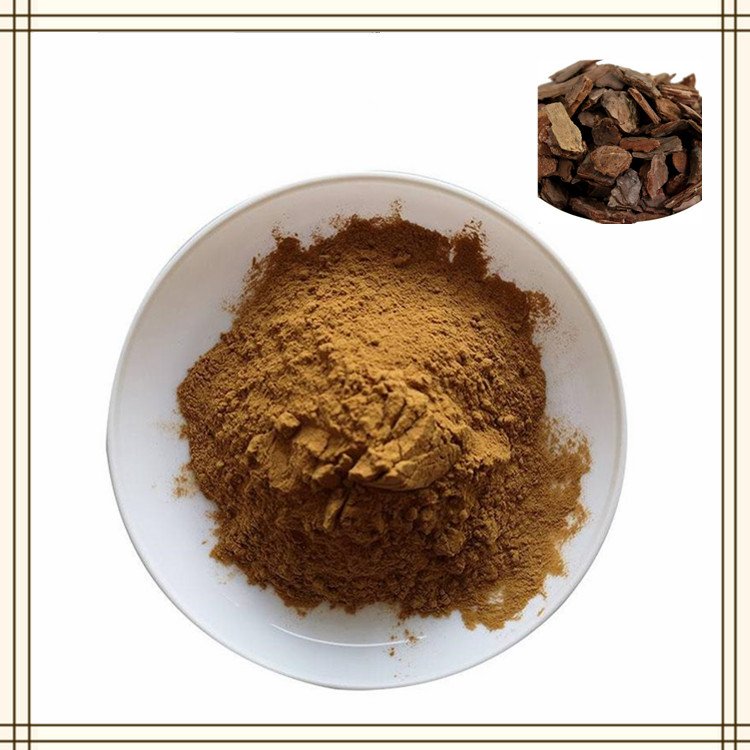
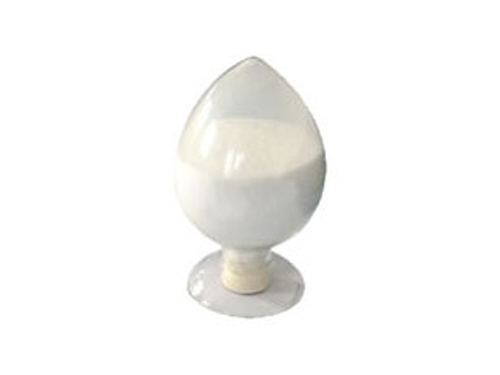
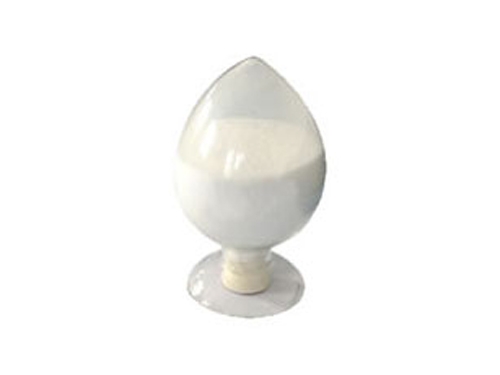
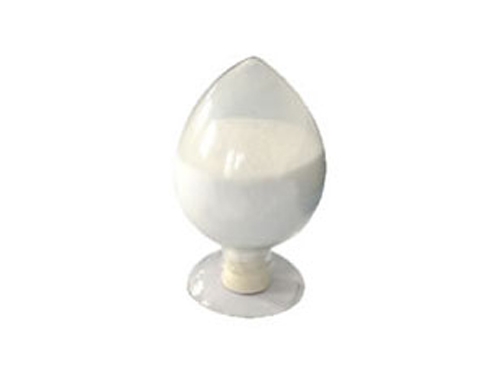
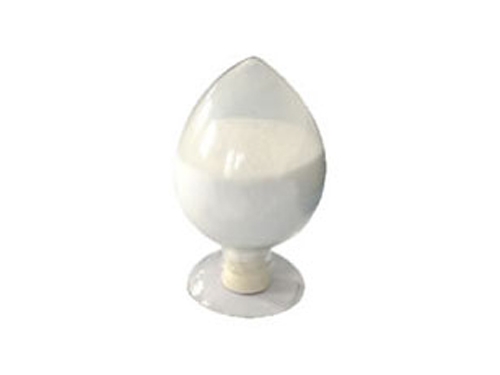
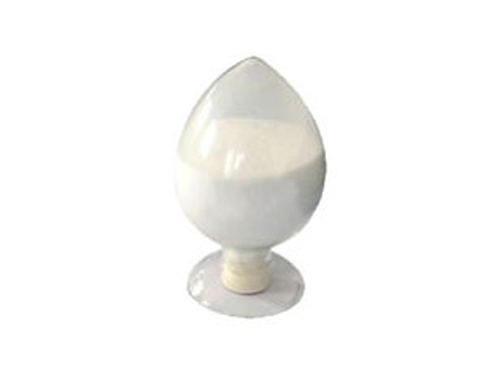
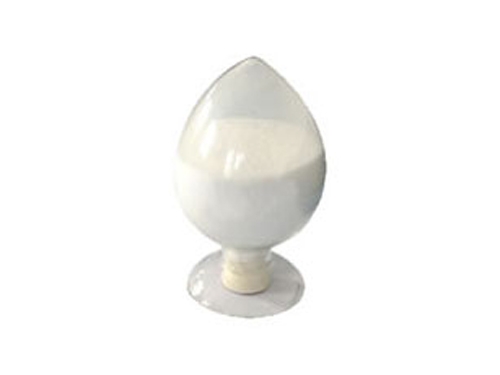
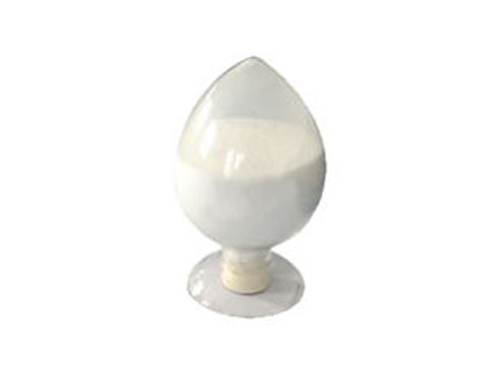
[product appearance]: light yellow powder
[Size]: 80 mesh
AI Product Description
*The following content is generated by AI and is for reference only.
Soy extract is a versatile natural ingredient derived from soybeans (Glycine max), widely utilized across the food, cosmetic, and pharmaceutical industries for its rich profile of bioactive compounds. Unlike a single chemical entity with a specific molecular formula or CAS number, soy extract represents a complex mixture containing isoflavones (such as genistein, daidzein, and glycitein), saponins, lecithin, peptides, and various vitamins. Consequently, it does not possess a unique molecular formula; rather, its composition varies based on the extraction method and the specific plant part used. The primary active components are often standardized to their isoflavone content, which typically ranges between 2% and 40% depending on the product grade.
In the food industry, soy extract serves as a functional additive to enhance flavor profiles, acting as a natural umami enhancer in savory snacks, soups, and meat alternatives. It also functions as a texturizer and emulsifier due to its protein and lipid content. In cosmetics and personal care, soy extract is highly valued for its antioxidant properties and ability to improve skin elasticity. It helps reduce the appearance of fine lines, soothes irritated skin, and provides hydration, making it a popular ingredient in anti-aging serums, moisturizers, and cleansers. Furthermore, its phytoestrogenic activity supports hormonal balance, offering potential benefits for menopausal symptoms when consumed as a dietary supplement.
The production of soy extract generally involves solvent extraction followed by purification processes to isolate desired compounds while removing allergens where necessary. While it offers significant health and functional benefits, individuals with soy allergies must exercise caution. As research continues, the applications of soy extract expand into nutraceuticals aimed at cardiovascular health and bone density maintenance. Its natural origin and multifaceted utility make it an indispensable component in modern formulations seeking clean-label solutions. Whether enhancing taste, preserving skin vitality, or supporting internal wellness, soy extract remains a cornerstone ingredient driven by both tradition and scientific validation.






 (All Rights Reserved)