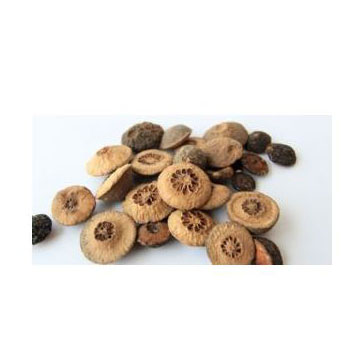
Product Description
please call me ,to know more
AI Product Description
*The following content is generated by AI and is for reference only.
Sophoricoside, also known as Sophora flavescens saponin A, is a naturally occurring bioactive flavonoid glycoside primarily isolated from the roots of *Sophora flavescens* (Ku Shen), a traditional Chinese medicinal herb. Its molecular formula is C27H30O14, with a corresponding CAS registry number of 53989-26-9. Structurally, it consists of a kaempferol aglycone backbone linked to a disaccharide moiety composed of rhamnose and glucose units, which significantly influences its solubility and biological activity profile compared to its aglycone counterparts.
This compound has garnered significant attention in pharmacological research due to its diverse therapeutic potential. It exhibits potent anti-inflammatory properties by inhibiting key signaling pathways such as NF-κB and MAPK, thereby reducing the production of pro-inflammatory cytokines like TNF-α and IL-6. Furthermore, Sophoricoside demonstrates notable antioxidant capabilities, effectively scavenging free radicals and mitigating oxidative stress-induced cellular damage. Recent studies suggest its utility in managing metabolic disorders, including type 2 diabetes, by improving insulin sensitivity and regulating lipid metabolism. Additionally, emerging evidence points towards its anti-cancer effects, where it may induce apoptosis in various tumor cell lines while sparing normal cells.
In the pharmaceutical industry, Sophoricoside serves as a critical reference standard for quality control in herbal medicine preparations containing *Sophora flavescens*. It is also utilized in drug discovery programs as a lead compound for developing novel agents targeting inflammatory diseases, cardiovascular conditions, and neurodegenerative disorders. While generally considered safe within traditional dosage ranges, ongoing clinical trials are necessary to fully establish its efficacy and safety profile for broad human application. As a natural product, it represents a valuable resource bridging traditional medicine and modern biotechnology, offering promising avenues for the development of next-generation therapeutics against chronic diseases driven by inflammation and oxidative stress. Researchers continue to explore its mechanism of action to optimize delivery systems and enhance bioavailability for clinical translation.






 (All Rights Reserved)