Product Description
please call me , to know more
AI Product Description
*The following content is generated by AI and is for reference only.
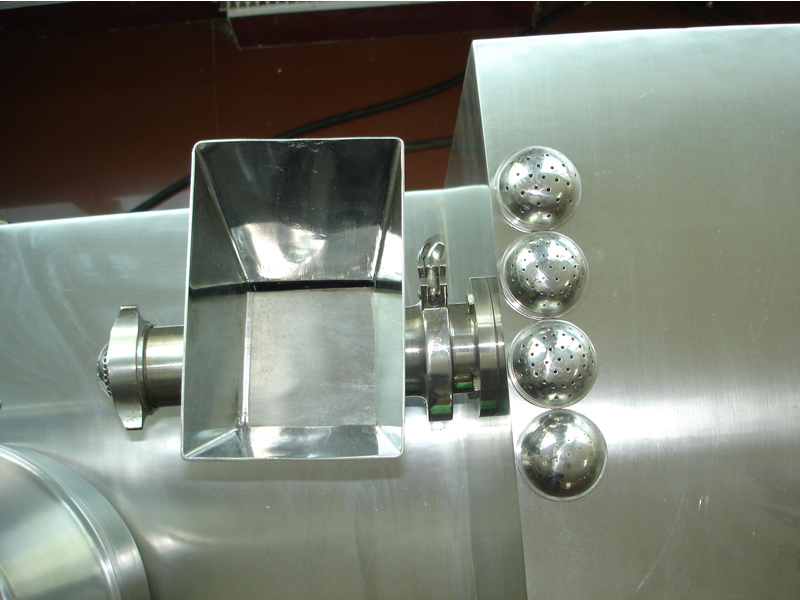
The double screw extruder is a highly versatile industrial machine widely utilized across polymer processing, food manufacturing, and chemical industries. Its primary function involves the continuous mixing, melting, conveying, and shaping of materials through two intermeshing screws rotating within a heated barrel. Unlike single-screw systems, the twin-screw configuration offers superior shear control, self-cleaning capabilities, and efficient heat transfer, making it ideal for compounding fillers, additives, or reactive blends into homogeneous masterbatches.
In the plastics sector, these machines are essential for producing high-performance compounds, such as those containing glass fibers, carbon black, or flame retardants. The co-rotating design ensures thorough distributive and dispersive mixing, allowing manufacturers to customize material properties precisely. In the food industry, they facilitate the production of textured vegetable proteins, breakfast cereals, and snack foods by subjecting starch-based mixtures to controlled cooking and extrusion. Furthermore, in waste management, they play a critical role in recycling processes, effectively degrading and reprocessing various plastic scraps into reusable pellets.
Operating a double screw extruder requires strict adherence to safety protocols due to high temperatures, rotational forces, and potential pressure buildups. Operators must ensure all guards are in place before startup to prevent accidental contact with moving parts. Proper temperature profiling is vital; exceeding thermal limits can degrade sensitive materials or damage the screw elements, while insufficient heating leads to poor melt quality and excessive motor load. Regular maintenance of the barrel and screw surfaces is necessary to prevent buildup and ensure consistent output. Additionally, material feeding must be uniform to avoid surging or channeling, which can compromise product stability. Ventilation systems should be monitored closely to remove volatiles generated during processing. Training personnel on emergency stop procedures and lockout/tagout protocols is mandatory to mitigate risks associated with mechanical entanglement or thermal burns. Ultimately, optimizing screw geometry and operating parameters based on specific material rheology is key to maximizing efficiency and product quality in continuous production environments.




 (All Rights Reserved)