Product Description
please call me , to know more
AI Product Description
*The following content is generated by AI and is for reference only.
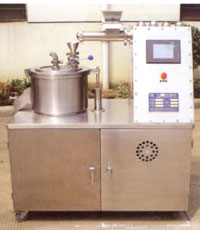
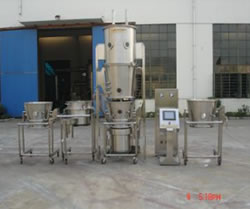
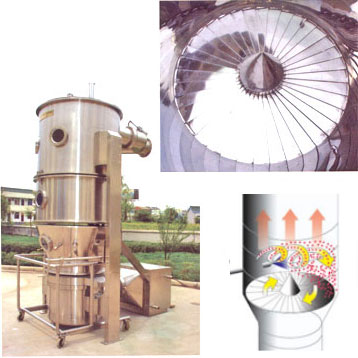
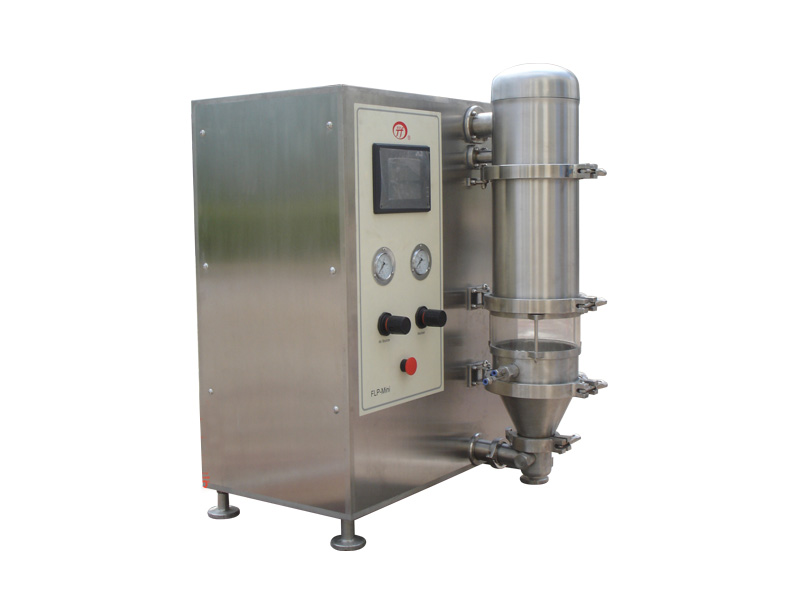
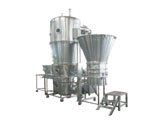
The Fluid-Bed Dryer is a highly efficient industrial drying system widely utilized across pharmaceutical, chemical, food processing, and agricultural sectors. Its primary function involves suspending wet granules or particles in an upward stream of heated air, creating a fluidized state where individual particles behave like a boiling liquid. This dynamic interaction ensures uniform heat transfer and rapid moisture evaporation, significantly reducing drying time compared to traditional tray or rotary dryers. The equipment excels in producing free-flowing, consistent powders with precise particle size distribution, making it ideal for granulation, coating, and cooling applications in continuous production lines.
Key operational advantages include superior energy efficiency due to the intimate contact between hot air and material, as well as the ability to handle sticky or heat-sensitive substances without degradation. The process allows for simultaneous mixing, drying, and classification within a single vessel, optimizing workflow and minimizing cross-contamination risks when properly cleaned. However, strict adherence to safety protocols is essential during operation. Operators must ensure that inlet air temperature does not exceed the thermal limits of the product to prevent decomposition or fire hazards, particularly when handling flammable solvents. Proper grounding and explosion-proof designs are mandatory in environments involving combustible dusts. Additionally, regular maintenance of air filtration systems and vibration dampeners is crucial to prevent mechanical failure and maintain airflow stability. Before startup, all access doors must be securely sealed to contain airborne particulates, protecting both personnel and the environment. Effective control of humidity levels and airflow velocity is necessary to avoid channeling or dead zones, which could lead to uneven drying. Ultimately, while this technology offers exceptional throughput and quality control, successful implementation relies heavily on operator training, rigorous monitoring of process parameters, and compliance with local safety regulations regarding dust explosion prevention and occupational health standards.





 (All Rights Reserved)